
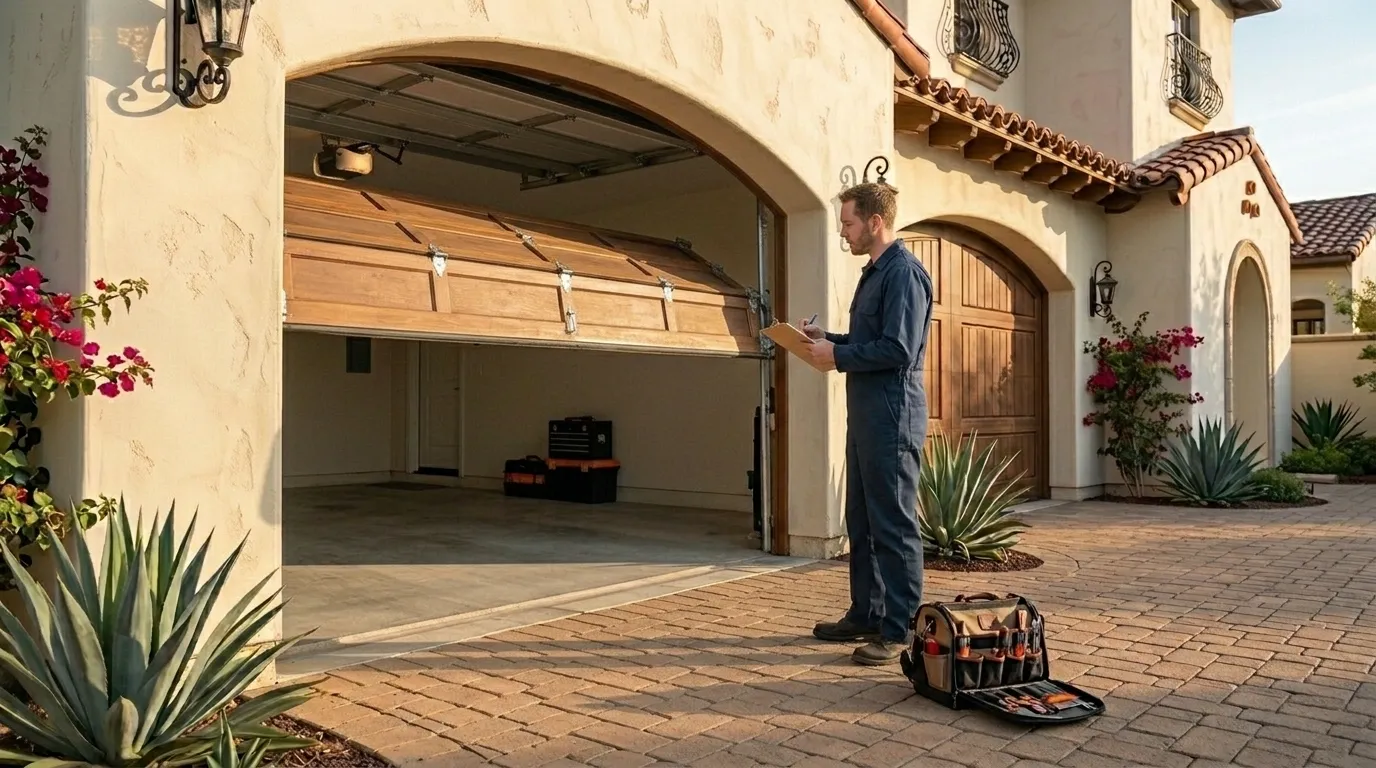
Garage Door Repair in Lakewood
Garage Door Repair for Lakewood's 1957-Era Homes
Lakewood homes mostly went up around 1957, years before the service area's own median. That means older track and spring setups we still carry parts for.
- Licensed & Insured
- Same-Area Service Calls
- Upfront Pricing
What Happens When You Call
-
1
Call or Request a Quote
Tell us what the door is doing and roughly how old the house is - that alone points us toward the likely part before a truck leaves.
-
2
On-Site Diagnosis
A tech checks the spring, cables, tracks, and opener in person and tells you plainly what is actually wrong.
-
3
Straight Price, No Surprises
You get a number before any work starts. It covers parts and labor, nothing added after the fact.
-
4
Fixed the Same Visit
Most repairs are done in one trip. If a part needs sourcing, we tell you that upfront instead of guessing.
Doing It Yourself
If your door won't open, start with the obvious: is the opener plugged in, did a breaker trip, is the manual lock engaged on the track. Those cost you nothing to check. Beyond that, be careful.
A door built when Lakewood's tract housing went up in 1957 is likely running an older extension-spring setup along the horizontal track rather than a torsion spring over the header, and extension springs under tension can whip hard enough to break a hand or a nose if you unhook the wrong bracket. We'll walk you through what's safe to check by phone, but we won't talk you through releasing a spring. That's not a DIY repair on any door of this age, full stop.
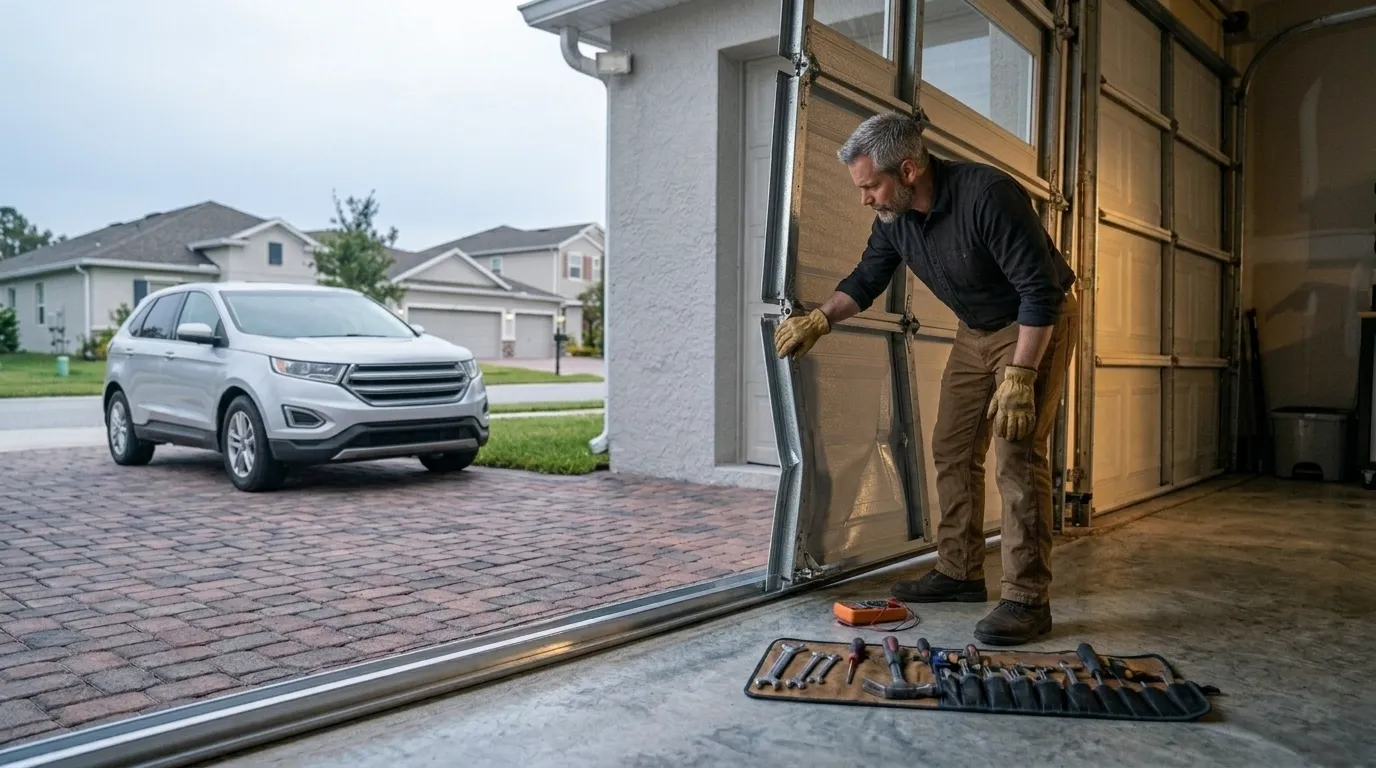
If the door is off track, jammed on a bent roller, or the cable has jumped the drum, stop pulling on it and call. Forcing a stuck door usually turns a $150 job into a $400 one.
The Symptom
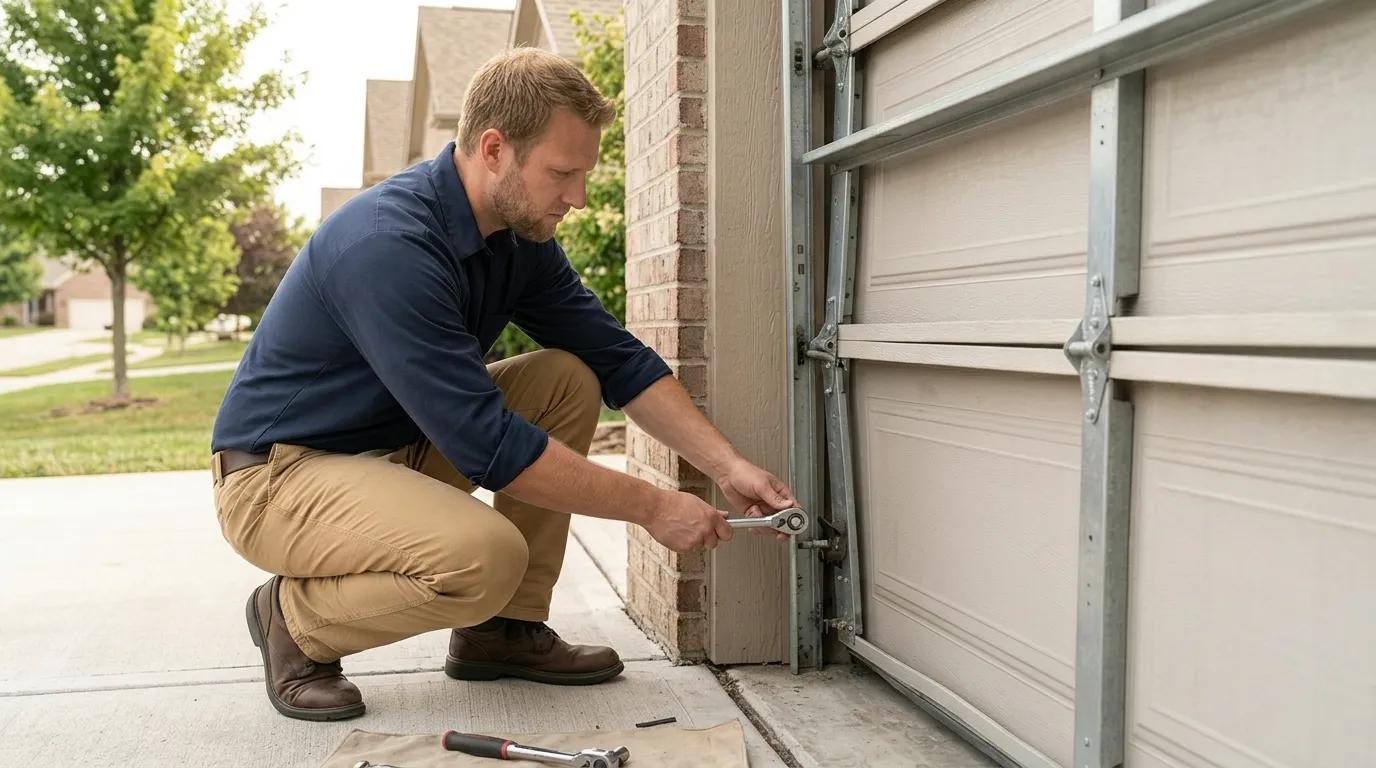
Most of the calls we get from this part of the service area involve doors that are hard to lift by hand, sag on one side, or make a grinding noise partway up the track. That pattern lines up with the housing stock: a median build year of 1957 means a lot of these doors are on original or first-replacement hardware, older extension springs that have stretched past spec, or steel track that's shifted slightly out of true after six-plus decades of settling.
Openers added later often weren't matched to the original spring tension, which shows up as a motor that strains and clicks instead of running smooth. Mild coastal-influenced weather in this part of Southern California means rust and cracked panels aren't the driver here the way they'd be somewhere with real freeze-thaw cycles - wear on this door is closer to fatigue than corrosion.
How Long It Takes
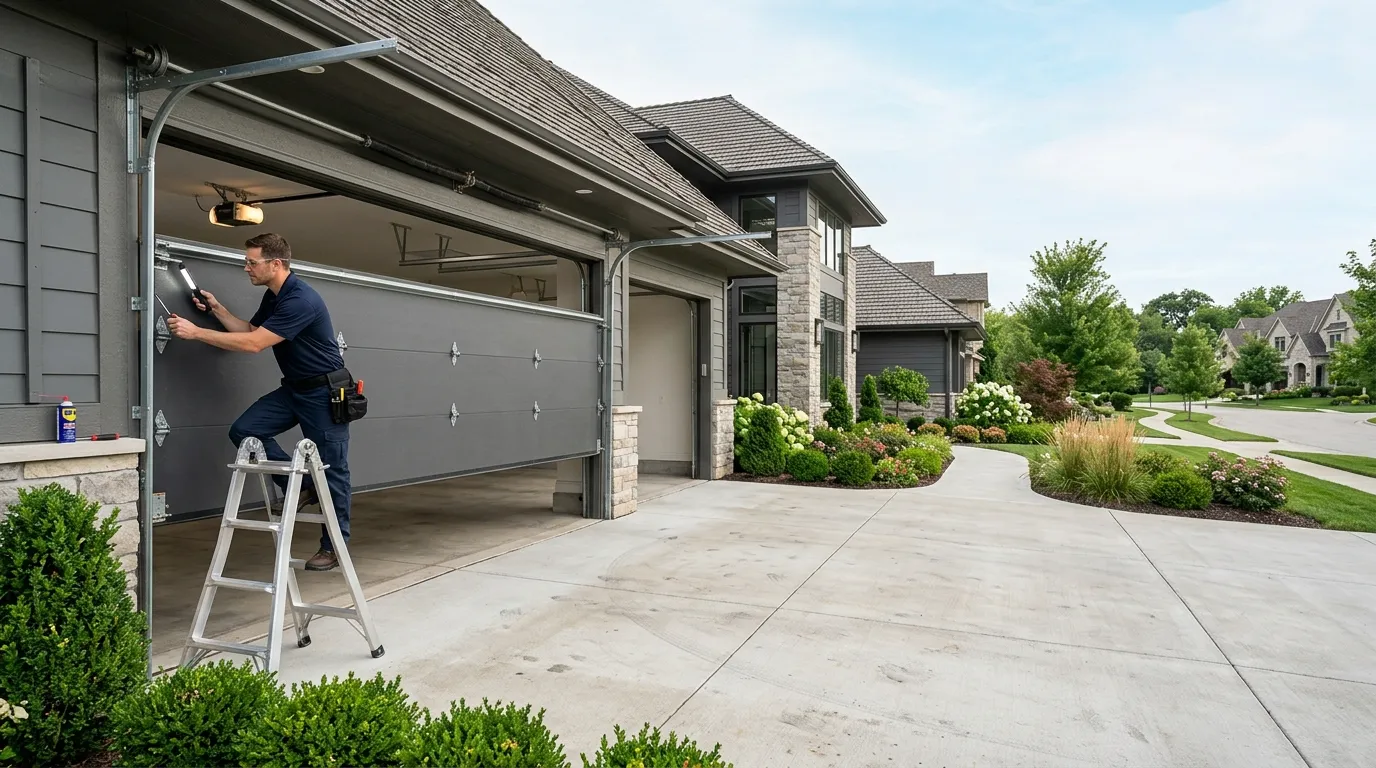
A straightforward spring or cable job on one of these older setups usually runs the length of a single visit once we're on site. Older extension-spring systems are simpler mechanically than modern torsion setups, which can actually make the repair itself quicker - the time sink is usually sourcing a spring that matches 1950s-era coil dimensions if the original size isn't a common stock item.
We drive out from Orange, roughly 16 miles, so factor that into scheduling rather than into the repair time itself. Full replacement of an original door and track, if it's past saving, takes longer and we'll walk you through that timeline separately once we've seen the door.
What the Fix Involves
On a house from this era, the fix usually starts with the spring system rather than the opener, because that's what's carrying the weight and what fails first. We check the drums, cables, and horizontal track for wear consistent with age, not damage - on a door built around 1957, some of what looks broken is just original hardware finally reaching the end of its service life. If the track has racked out of alignment, we true it up before touching the spring; skipping that step is how a repair fails again in six months.
Panels on doors this old are sometimes wood or early steel with different mounting patterns than what's sold today, so on occasion the more honest call is replacement rather than repair, especially if a panel has warped enough to bind the rollers. We'll tell you straight if that's where your door has landed.
What You Pay
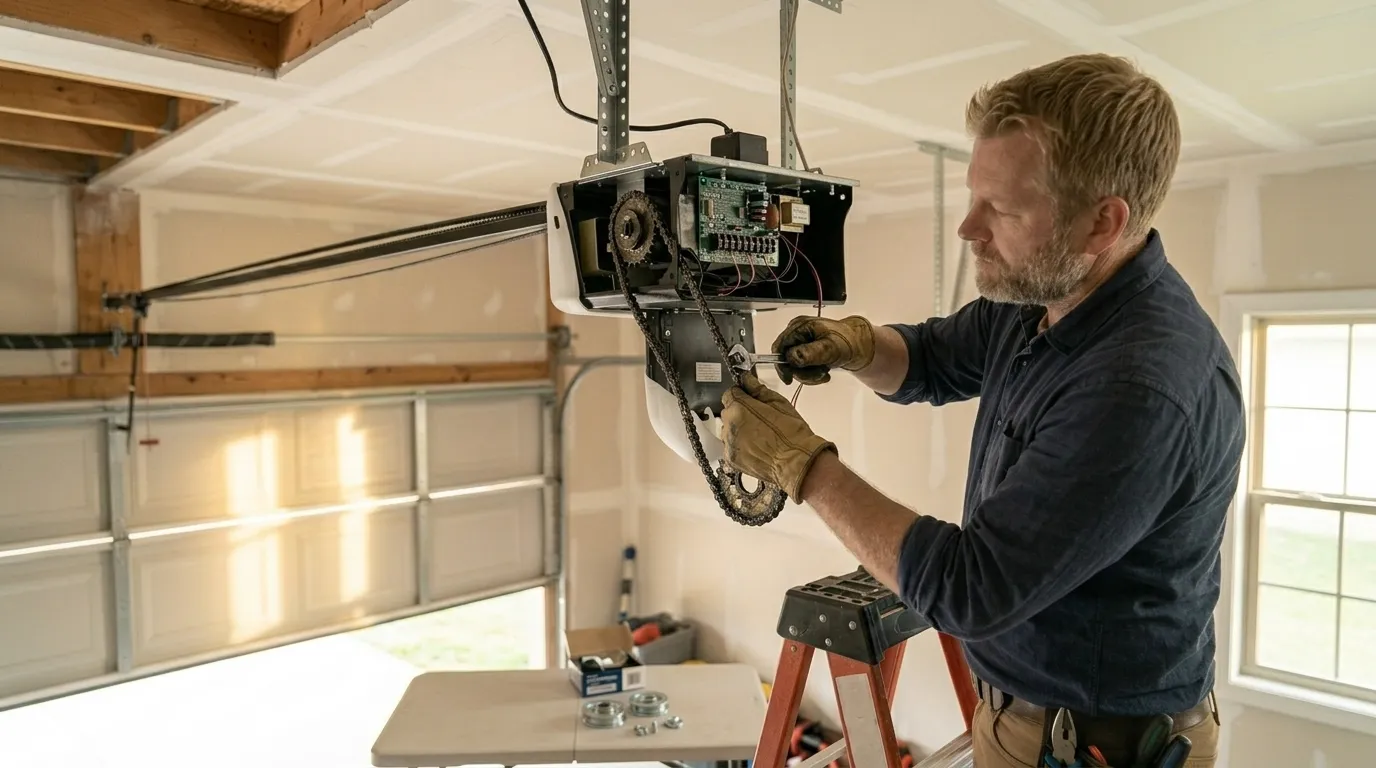
We don't have a published price list for this specific job, and giving you a number without seeing the door and its hardware would be a guess dressed up as a quote. What we can tell you: household income across the wider service area we cover sits at a median of $102,303, and Lakewood runs meaningfully higher at $116,794, which is relevant mainly because it tells you what kind of repair-versus-replace call homeowners here tend to make - more of them opt to replace an aging door outright rather than keep patching original hardware from the 1950s. Either path, we give you the number before we start work, not after.
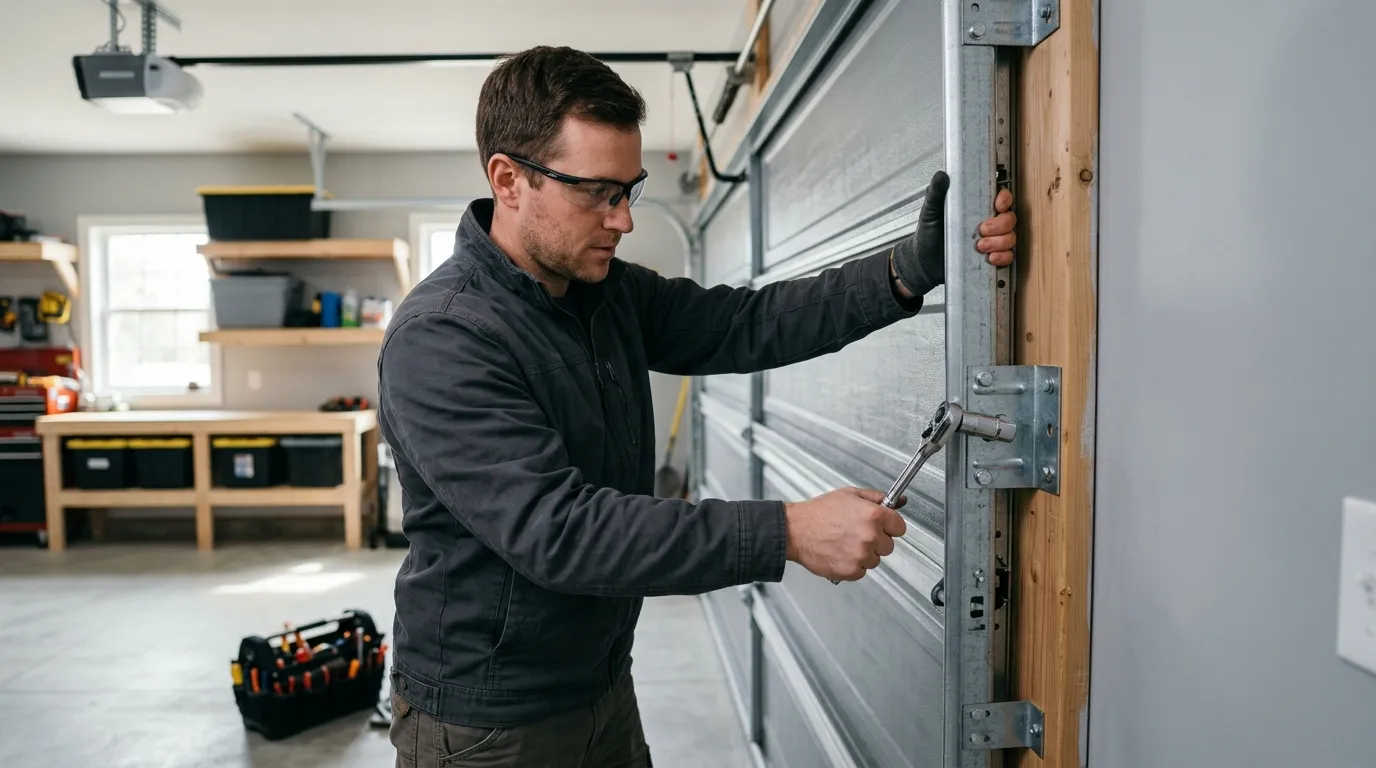
Talk to a Lakewood Technician First
Describe what the door is doing and get a straight answer on what it likely needs.
Other Garage Door Services in Lakewood
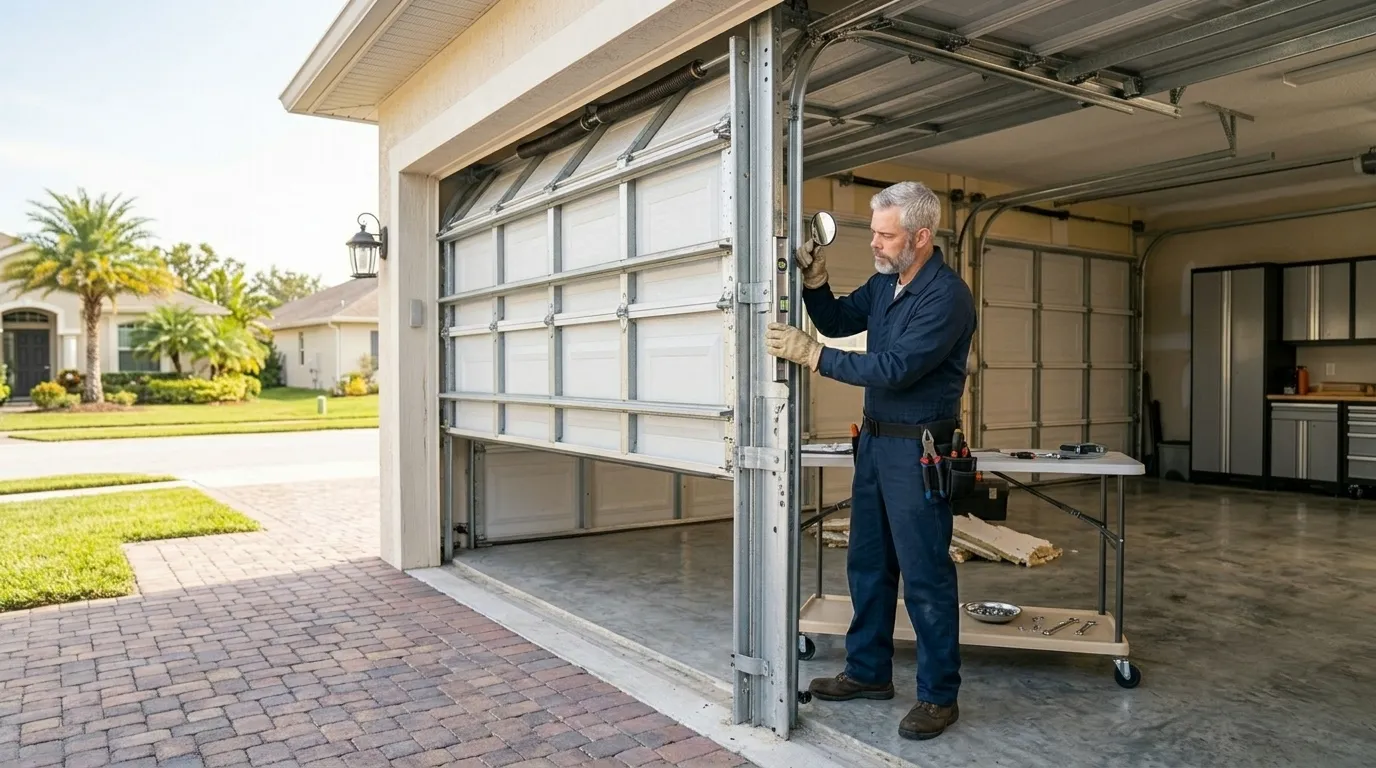
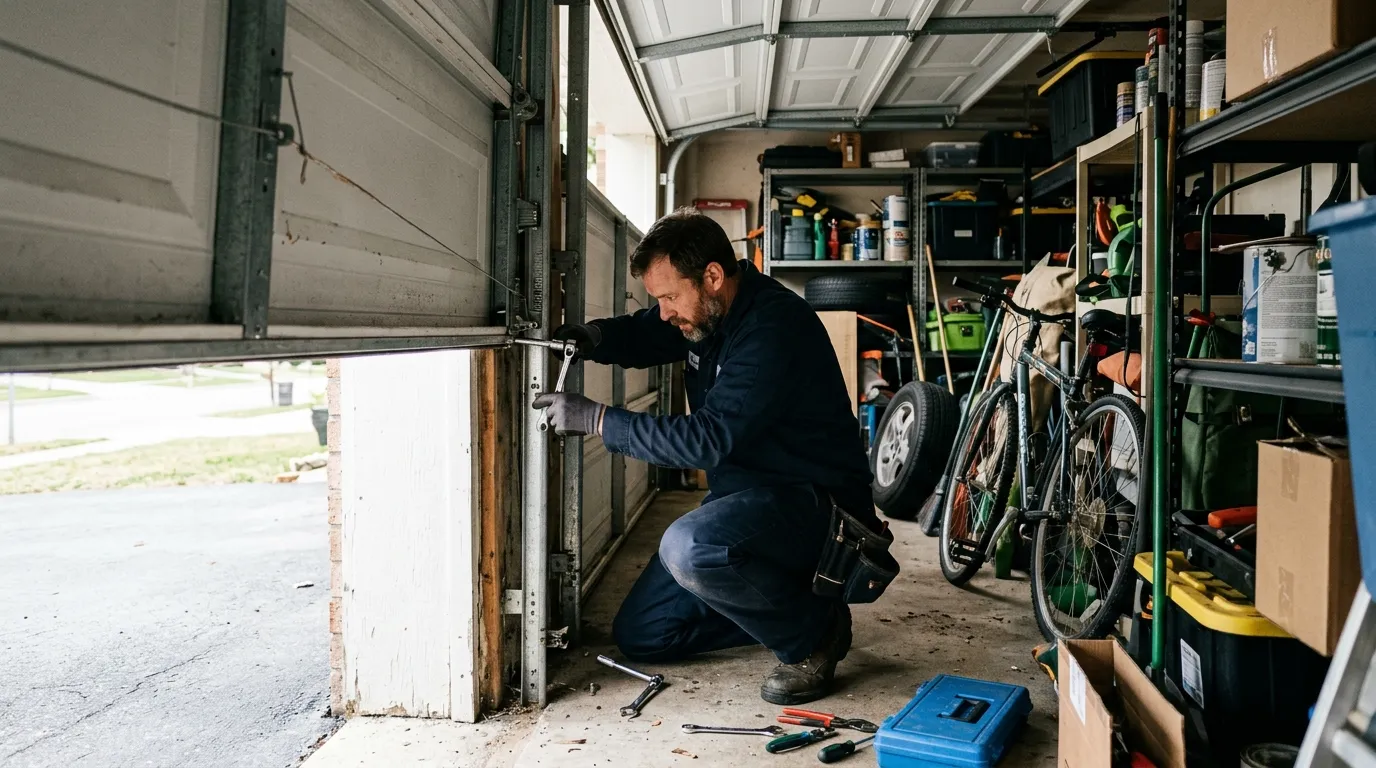
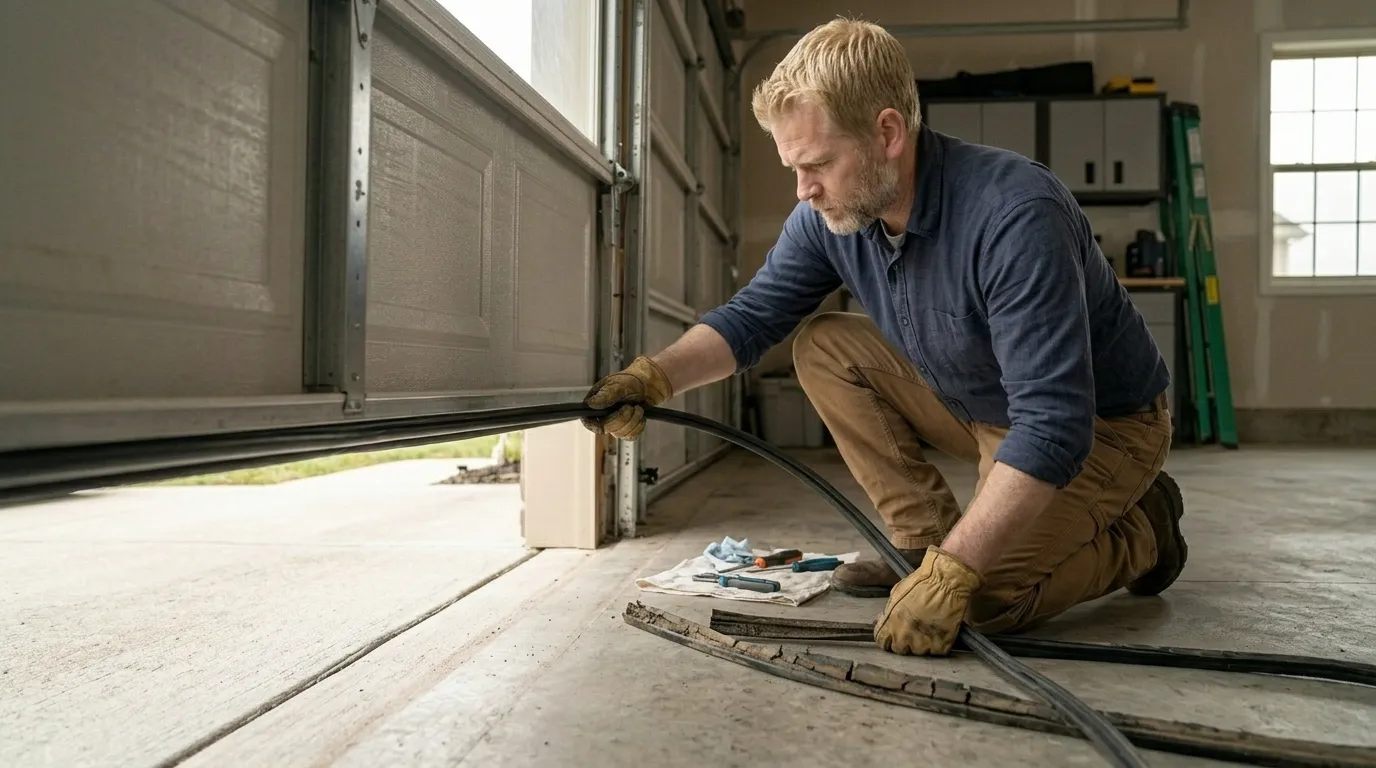
Recent Work in Lakewood
A look at jobs our crew has been on nearby.
Why Lakewood Calls Us
Frequently Asked Questions
Why does my Lakewood garage door use a different spring setup than newer houses nearby?
Because most homes in this part of the service area were built around 1957, well before torsion springs mounted over the header became standard. Yours likely runs an extension-spring system along the horizontal track, which is a different repair than what a house built in the 1970s or later would need.
Do you have a shop in Lakewood?
No. We run out of Orange, about 16 miles away, and drive out for the job. There's no local branch here, so factor drive time into scheduling when you call.
Is my door too old to repair instead of replace?
Sometimes. If the track, drums, and panels are original to a 1957-era build, we check each part on its own merits. A worn spring or bent roller is usually a repair. A warped wood panel or racked track that keeps failing is often a sign replacement will save you money over time.
Need Garage Door Repair in Lakewood?
Call now for straight answers on cost and timing.