
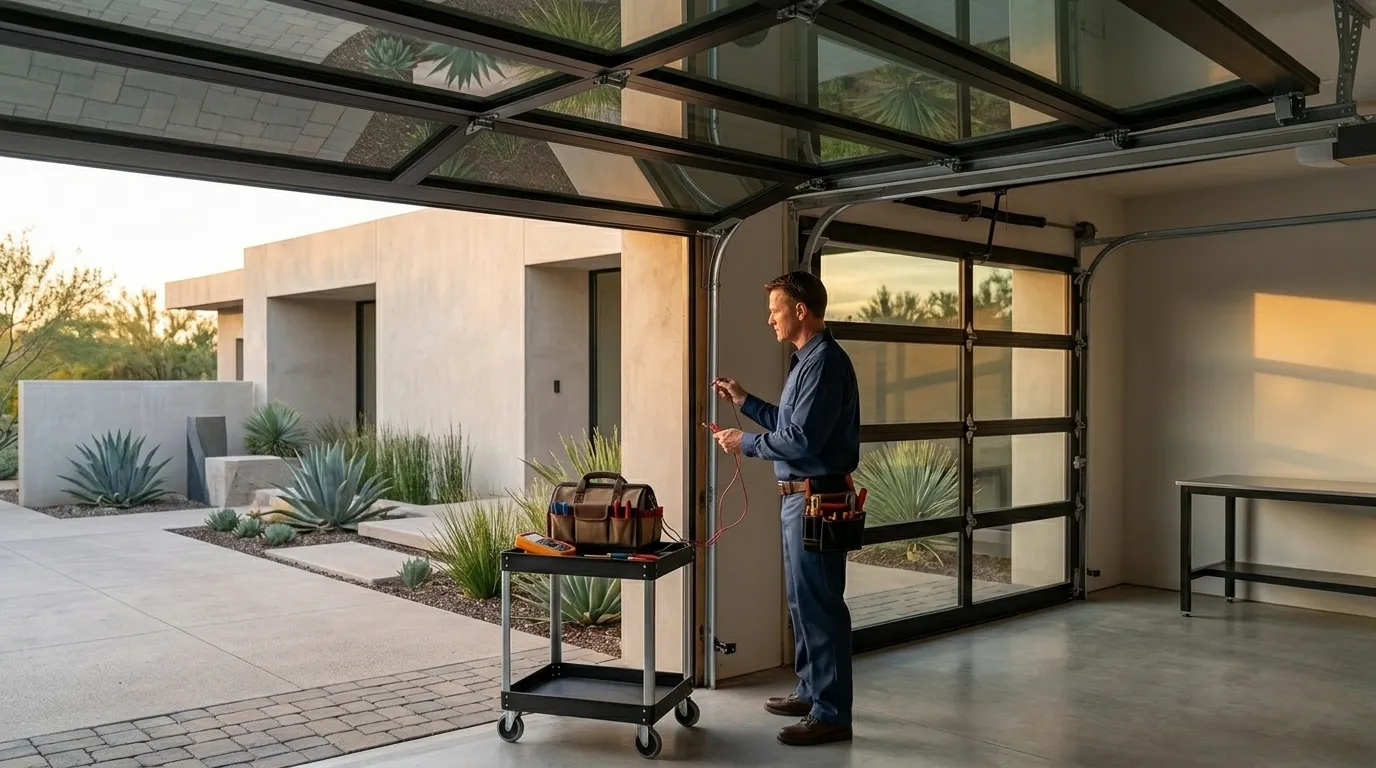
Garage Door Service in Lakewood
Garage Door Service for Lakewood Homes
Garage door repair for Lakewood's 1950s-era homes, served from Orange, 16 miles away. Torsion and extension spring work, opener fixes, and honest scheduling.
- Licensed & Insured
- Same-Area Service Calls
- Upfront Pricing
What Happens When You Call
-
1
Call or Request a Quote
Tell us what the door is doing and roughly how old the house is - that alone points us toward the likely part before a truck leaves.
-
2
On-Site Diagnosis
A tech checks the spring, cables, tracks, and opener in person and tells you plainly what is actually wrong.
-
3
Straight Price, No Surprises
You get a number before any work starts. It covers parts and labor, nothing added after the fact.
-
4
Fixed the Same Visit
Most repairs are done in one trip. If a part needs sourcing, we tell you that upfront instead of guessing.
Doing It Yourself
Lakewood sits 16 miles from our shop in Orange, which changes how we plan a job here compared to towns closer in. We don't stage a truck in Lakewood, so if you're on the fence about calling versus trying a fix yourself, know that a same-day swing-by isn't something we promise for this stretch of the drive - we build the route around the calls we already have out that way.
That said, plenty of Lakewood jobs are worth attempting yourself first. Lubricating rollers, tightening loose hinge bolts, and clearing photo-eye sensors of dust are all fair game with basic tools. What isn't: touching a wound torsion spring.
Lakewood's housing stock runs older on average than newer tracts further out, and a lot of these garages still carry the original spring and drum setup from when the house was built - stiff, sometimes mismatched from a past patch job, and genuinely dangerous to release without the right bars and clamps. If a spring is broken or the door won't stay up on its own, that's a call, not a project.
The Symptom
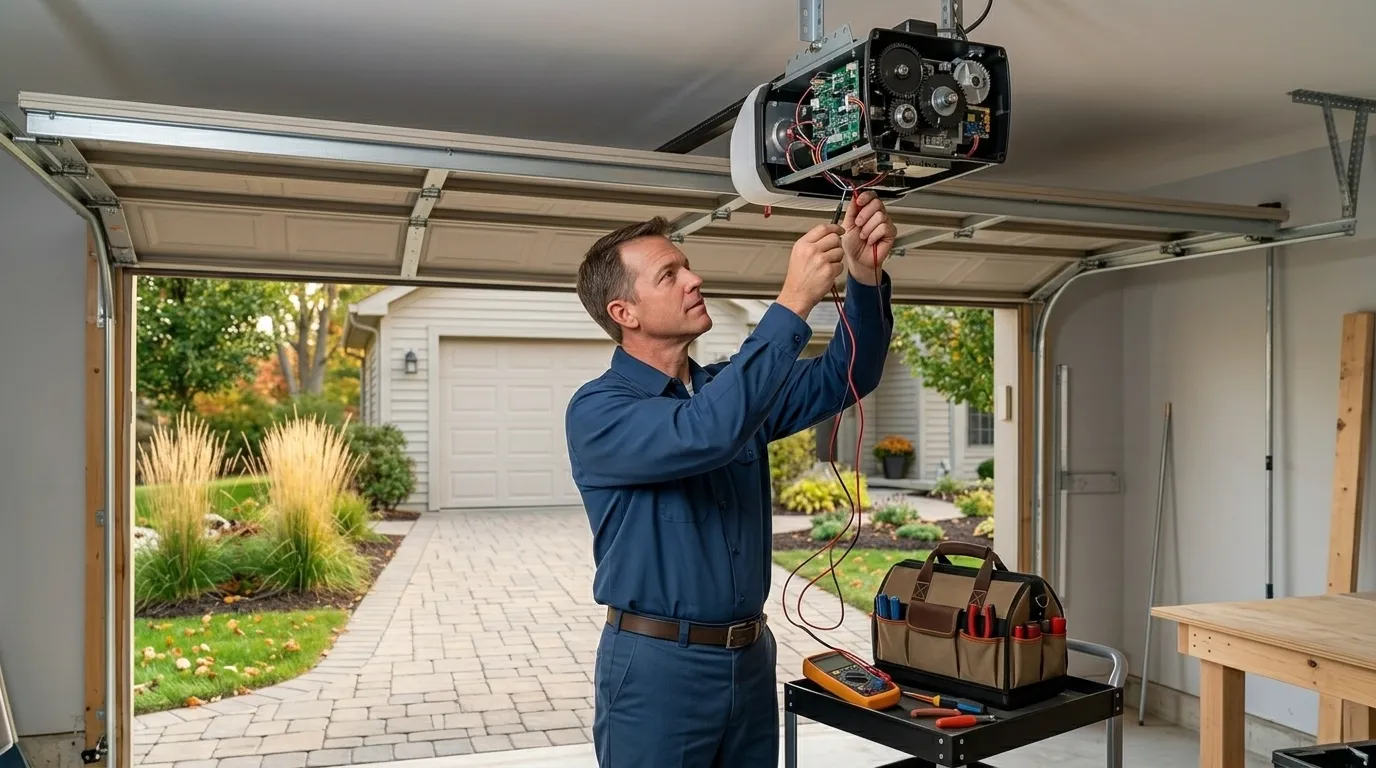
The complaint we hear most from this part of the service area is a door that slams down the last foot of travel or refuses to stay open past waist height. Both point to a spring that's lost tension - common in houses built around 1957, when Lakewood put up most of its housing. Doors from that era were usually set up with a single torsion spring or a pair of extension springs along the horizontal track, and forty-plus years of cycling wears those springs out even if the door still looks fine.
A second symptom shows up on the same vintage of door: the opener runs but the door barely moves, or moves and reverses. That's usually the opener straining against a spring that's already half-gone, not an opener problem at all. Replacing the opener without fixing the spring just buys you a second failure a few months later.
We don't guess at this over the phone. A worn spring, a bad cable, and a misaligned track can all produce a door that looks 'stuck,' and the fix is different for each.
How Long It Takes
Because the trip out from Orange is a real 16 miles each way, we schedule Lakewood calls in blocks rather than treating each one as a standalone stop. That means the appointment window tends to be a bit wider than for towns sitting right next to the shop - we're not being vague, we're just being honest about the drive.
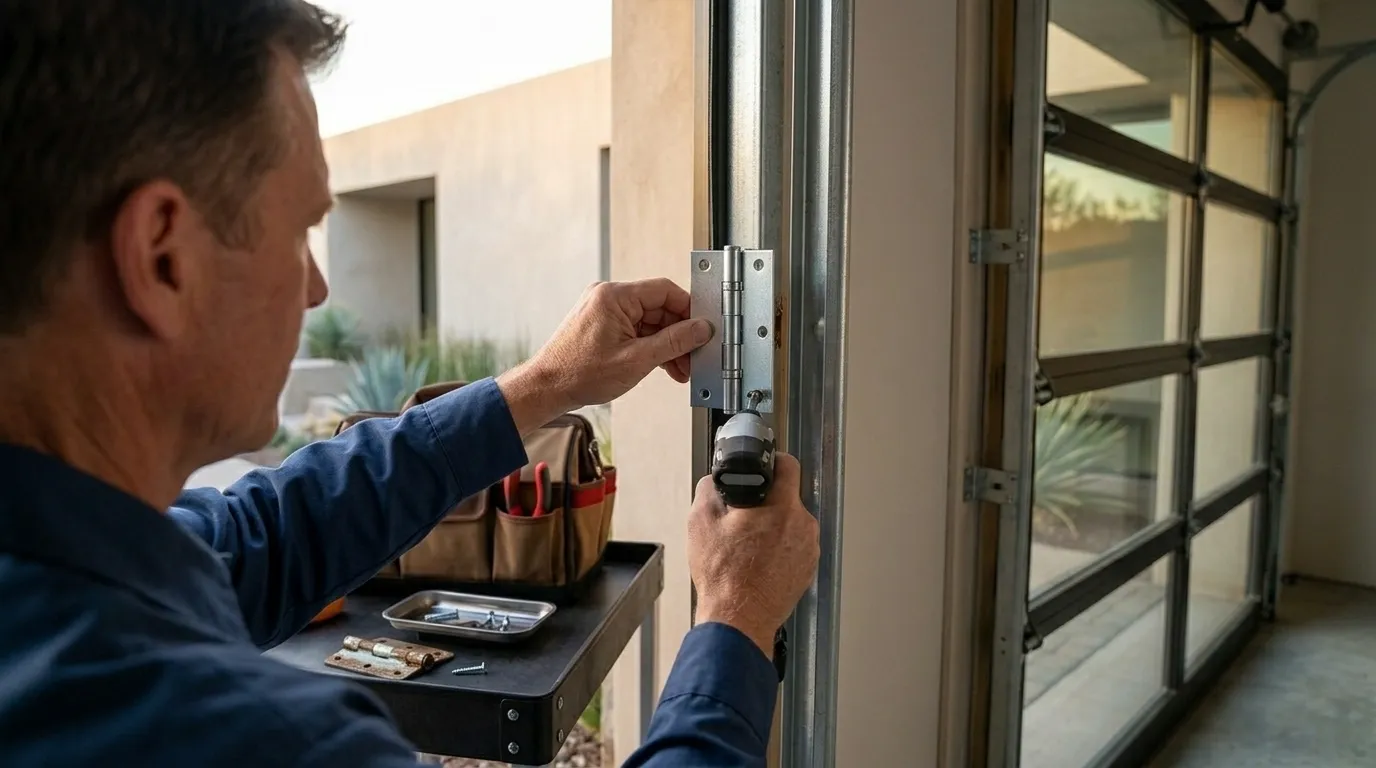
Once a tech is at the house, the work itself doesn't take longer because of the distance. A spring swap on a standard residential door runs under two hours in most cases. Opener installs and track realignments fall in a similar range.
What can add time is parts availability - if your door is old enough that the spring size or drum isn't something we carry stock of, we may need to order it, which pushes the job to a second visit. We'd rather tell you that up front than promise a same-visit fix and miss it.
What the Fix Involves
On a house from Lakewood's main building era, a spring job usually starts with confirming what's actually installed - torsion on the header above the door, or a pair of extension springs running along the horizontal tracks. Original hardware from the late 1950s and 1960s often used spring sizes that newer big-box doors don't, so matching wire gauge and wind length matters more here than on a door built in the last twenty years.
We unwind or unhook the old spring with winding bars and clamps, inspect the drums, cables, and center bearing plate while everything's under no tension, and replace anything showing wear rather than just the part that failed - a frayed cable next to a snapped spring is a second call waiting to happen if we leave it. Track brackets on older doors are also worth checking; decades of settling can pull them slightly out of plumb, which is often why a door that gets a new spring still doesn't run smooth.
On opener calls, we check the travel limits and force settings after any spring work, since a spring change shifts how hard the opener has to pull.
What You Pay
We don't have a fixed number to quote here in writing - spring size, door weight, and whether hardware needs to be special-ordered all move the price, and guessing at it before we've seen the door does you no favors. What we can say is that Lakewood's median household income runs higher than the broader service area average, which sometimes means owners here are replacing rather than patching once a door's hardware starts failing in more than one place at once - it's a call worth having with the tech on site rather than deciding over the phone.
The mild coastal-influenced climate this area shares with the rest of Orange County's inland edge means we're rarely quoting weather-related damage like frozen tracks or storm-warped panels - most of what drives cost here is age and wear on original parts, not the elements.
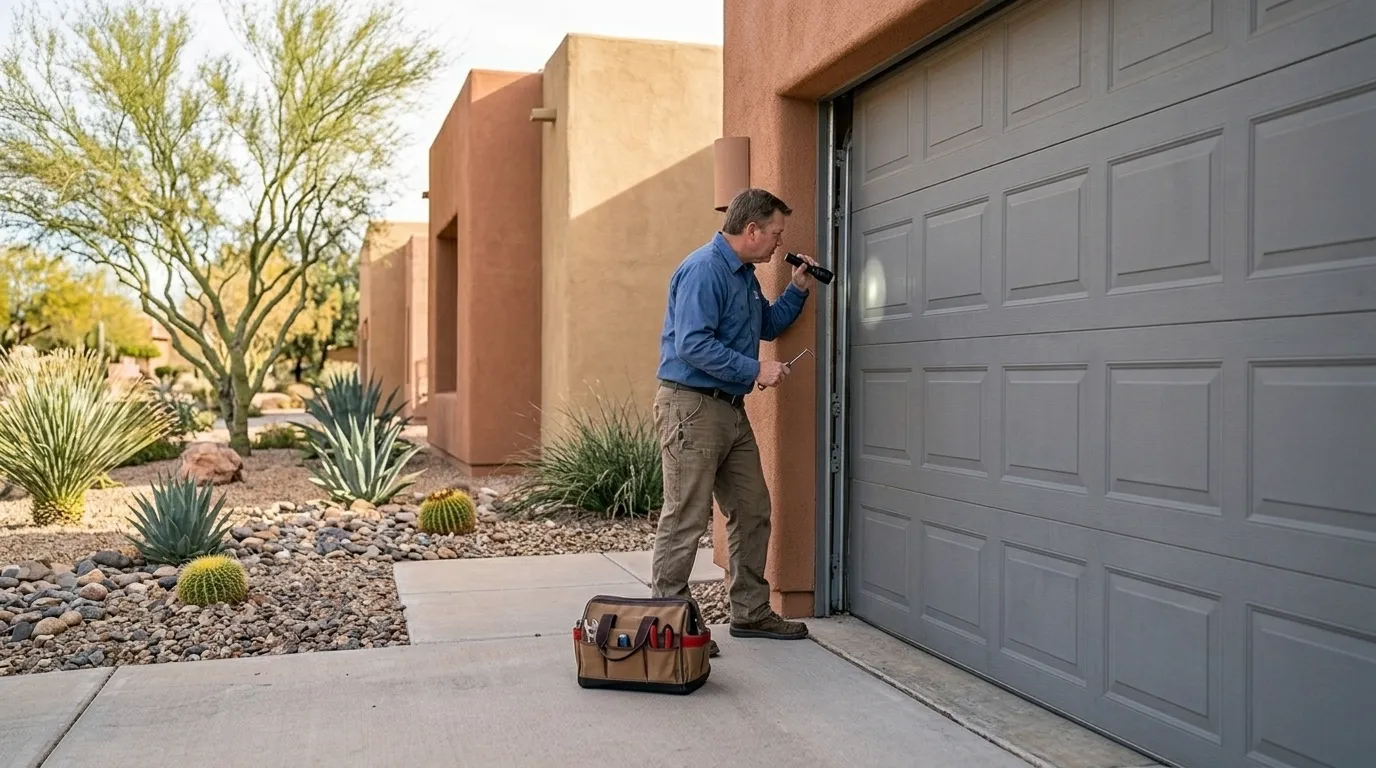
Talk to a Lakewood Technician First
Describe what the door is doing and get a straight answer on what it likely needs.
Other Garage Door Services in Lakewood
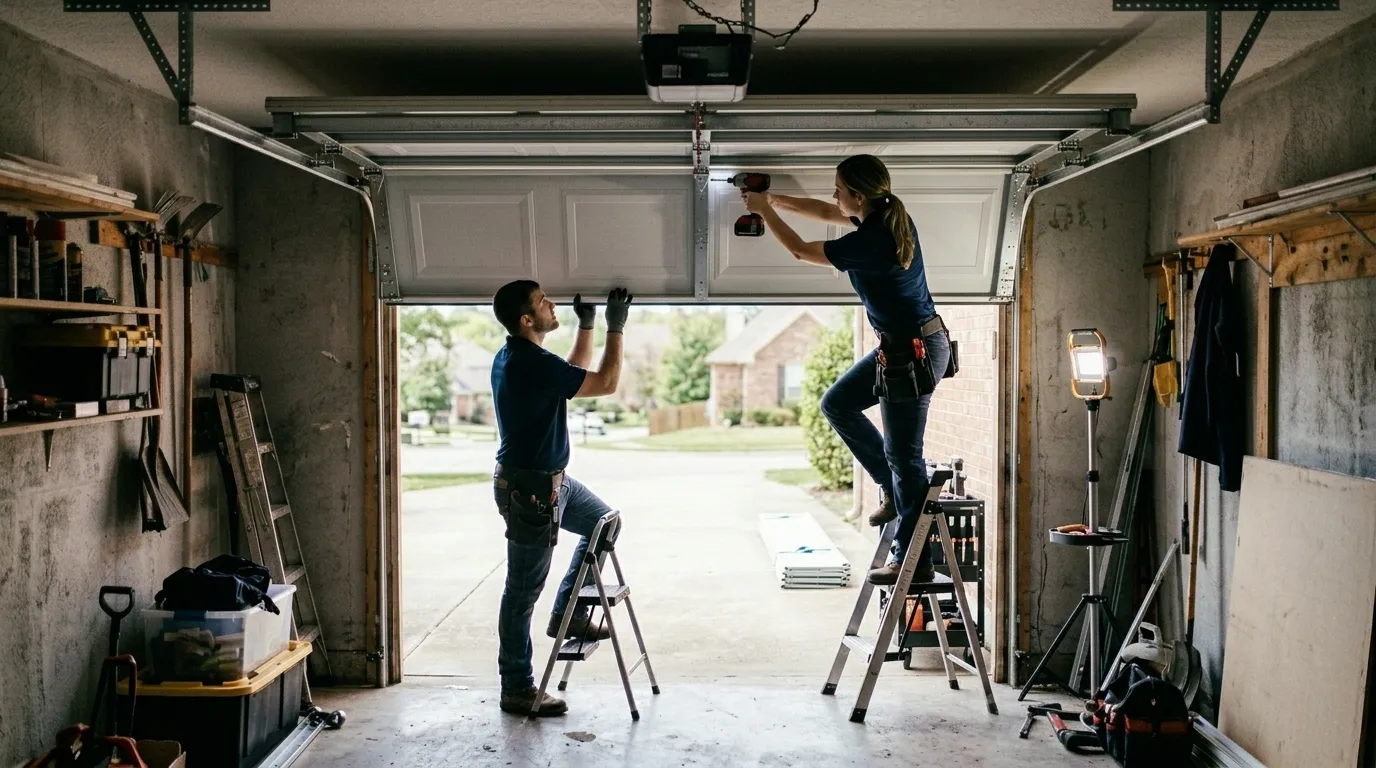
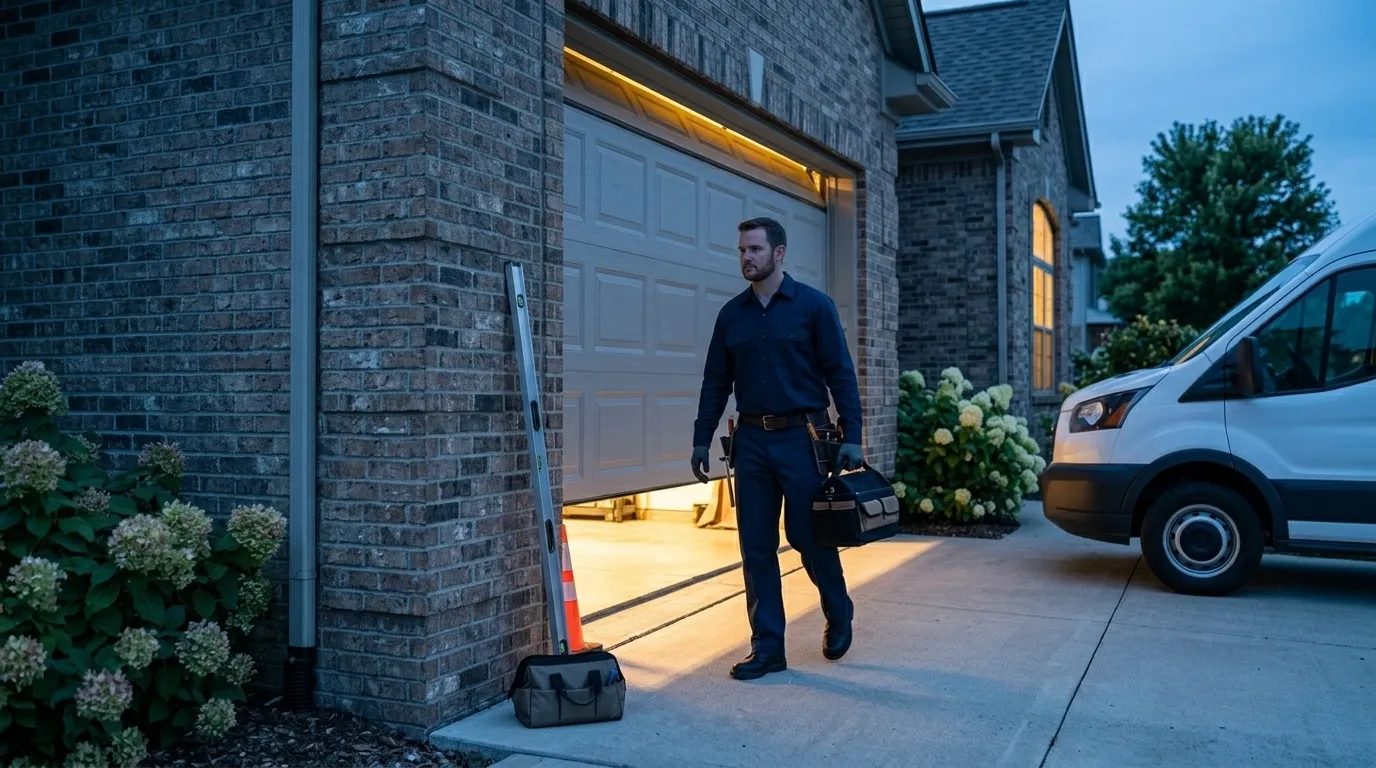
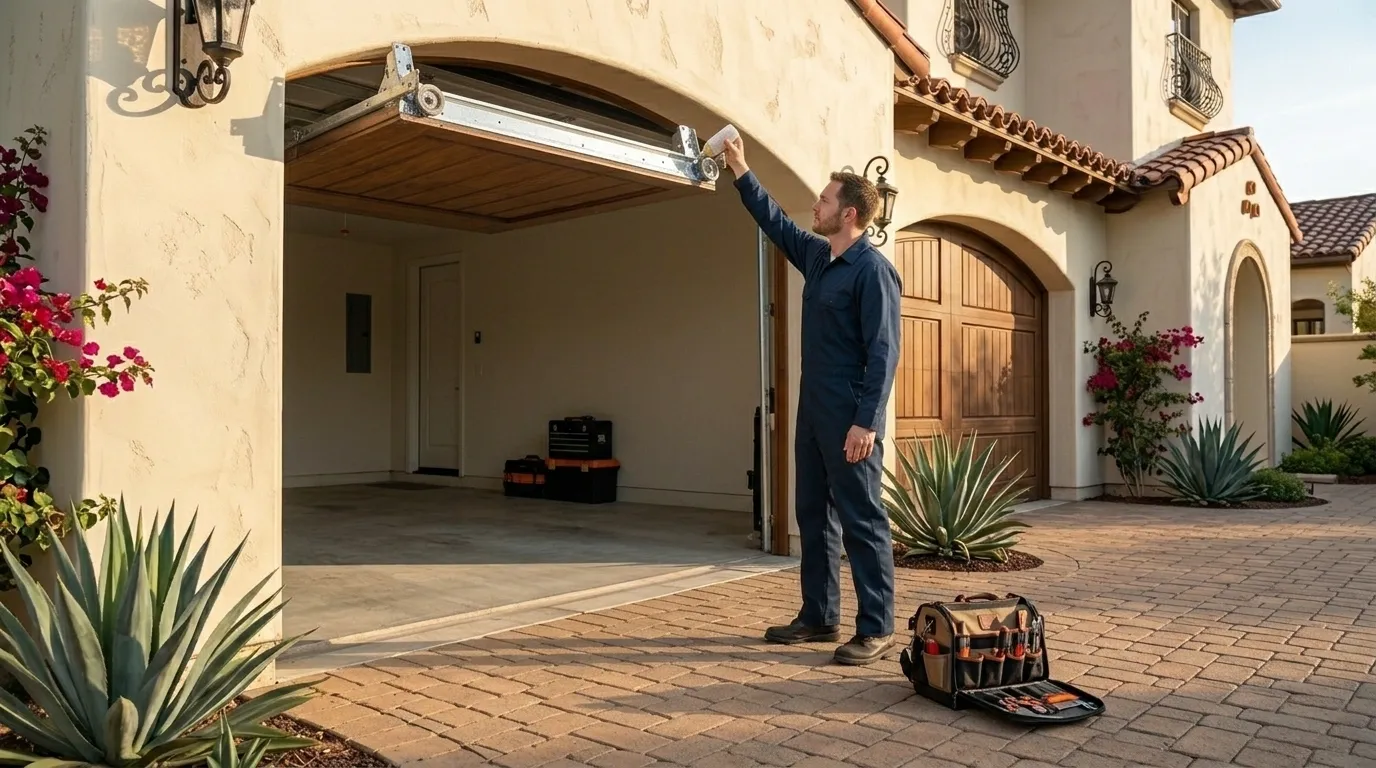
Recent Work in Lakewood
A look at jobs our crew has been on nearby.
Why Lakewood Calls Us
Frequently Asked Questions
Do you have a crew based in Lakewood?
No. We work out of Orange and drive to Lakewood, about 16 miles each way. We schedule Lakewood calls together where we can, but we don't promise a specific arrival window the way a local depot could.
Why does my 1960s-era door use a different spring than my neighbor's newer one?
Lakewood's housing was mostly built through the late 1950s and 1960s, and doors from that era often used spring sizes and drum setups that newer manufactured doors don't. If your door hasn't been upgraded, we match the original spec rather than forcing a modern part that won't balance the door correctly.
Is it ever not worth fixing an old door?
Sometimes. If the door itself is warped, delaminating, or the track brackets have pulled loose from repeated settling, sinking money into a spring or cable repair on top of that often costs more over time than replacing the door. We'll tell you honestly if we think that's where you're headed.
Need Garage Door Service in Lakewood?
Call now for straight answers on cost and timing.