
Nearby Community
How Artesia's 1965-Era Homes Change the Repair
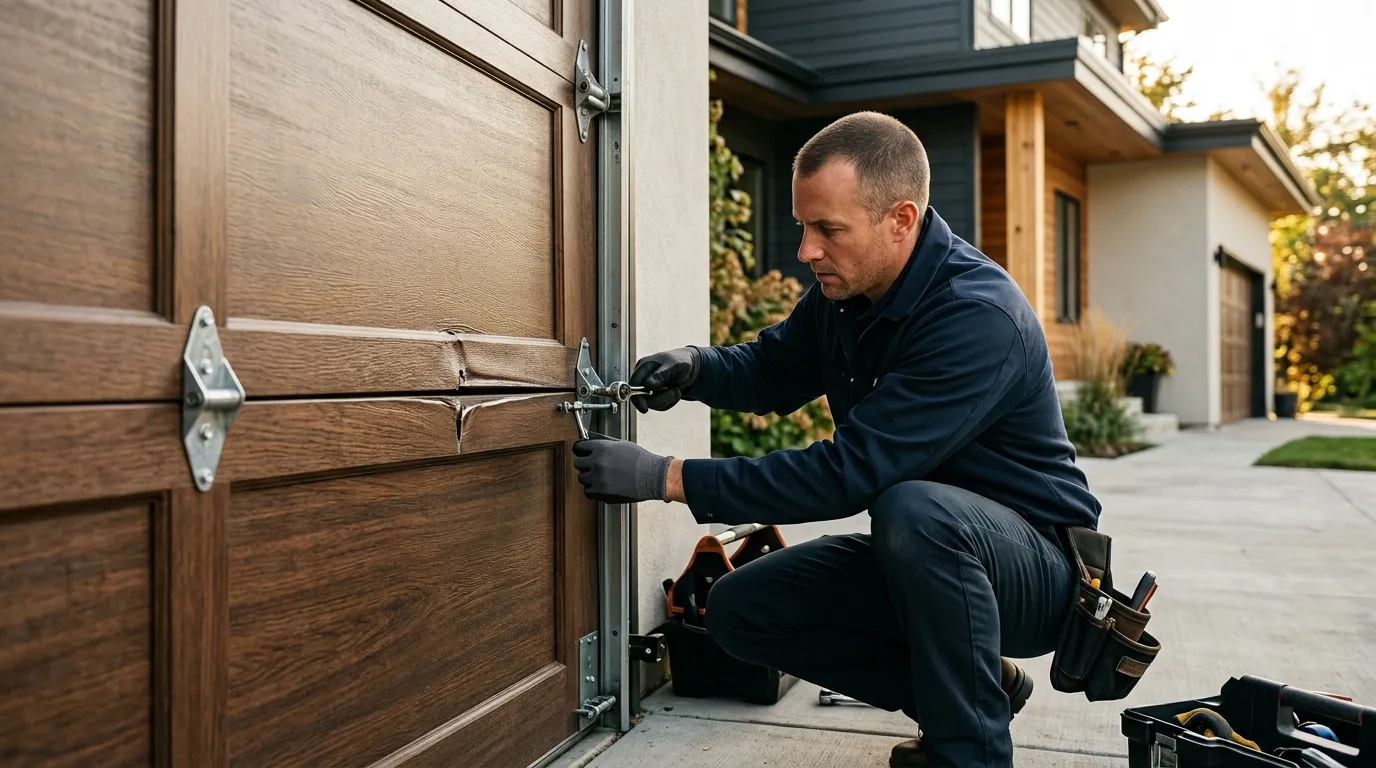
Orange Garage Door Pros drives 14 miles from Orange to Artesia for repairs suited to this area's 1965-median housing stock and its original hardware here.
- Licensed & Insured
- Same-Area Service Calls
- Upfront Pricing
This Area's Housing
Artesia's housing stock centers on 1965, a touch earlier than the 1968 median across the wider service area we cover from Orange. That places most of the neighborhood's original garage doors and openers in the same window as the area's broader 1960s-70s wave, but a few years ahead of it. With 4,379 households packed into a small footprint, and a median income near $97,712 - a bit below the $102,303 median for the full 555,881-household service area - this is a place where owners tend to fix what's there before they replace it outright.
We drive the 14 miles out from Orange for calls here, and the age gap matters: doors installed in 1965 use different spring mounts and track gauges than the ones going up a decade later. It's a small difference on paper, but it's the first thing we check before quoting anything.
How That Shows Up in the Door
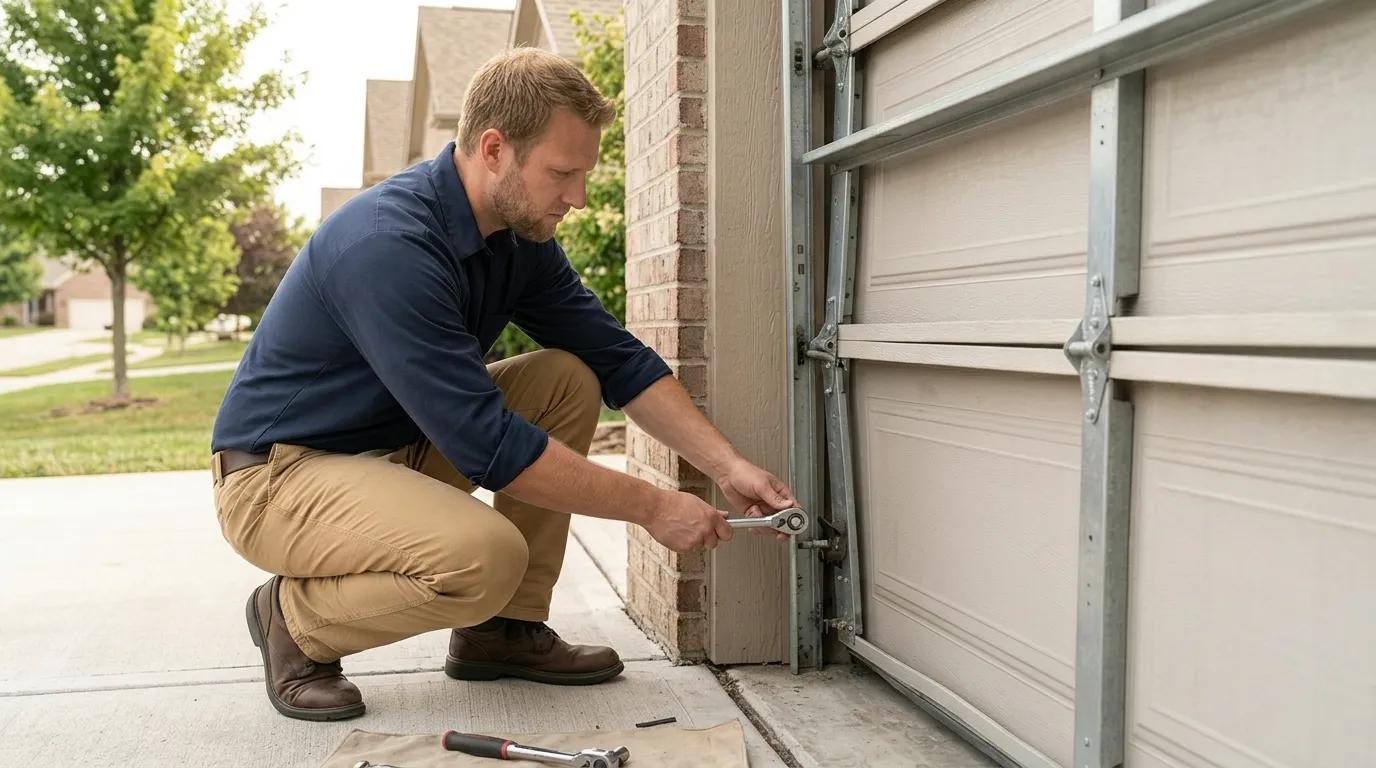
A door hung in 1965 in this part of the service area almost always started life as a steel or fiberglass-over-wood panel on extension springs mounted along the horizontal track, not the torsion bar setups that came standard later. Openers from that first generation, and the replacements bought in the 70s and 80s, tend to be chain-drive units with worn sprockets and sagging rail brackets. The mild temperate climate here means the wood underneath hasn't rotted the way it would in a wetter region, but it hasn't stopped the springs from fatiguing or the galvanized cable from fraying after five decades of cycles.
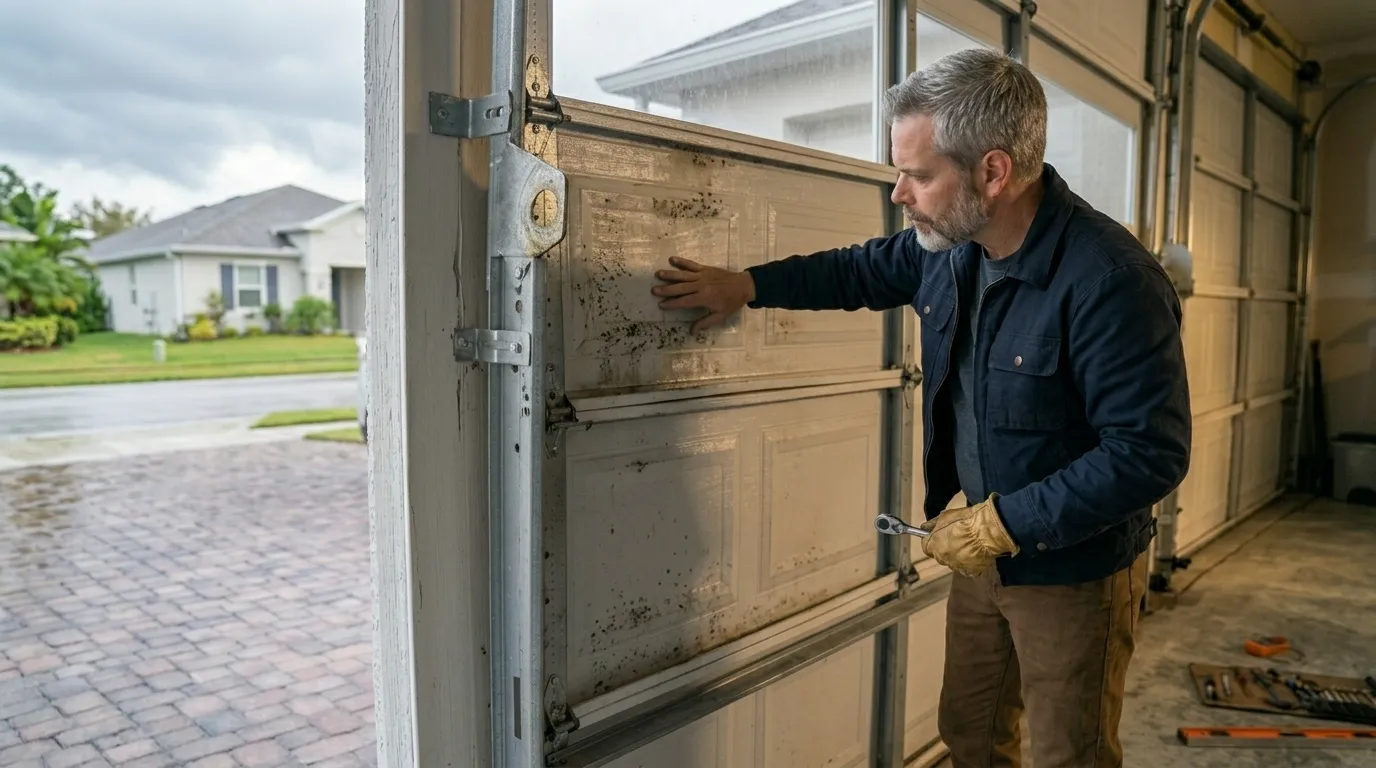
We see a lot of jobs where the door itself is sound but the hardware holding it is original and tired - that's the 1965 build year talking, not neglect. It also means replacement parts sometimes have to be matched to an older mounting pattern rather than pulled off a generic shelf.
Old Streets and New Ones
Not every block in Artesia sits at the same point on the calendar. Some pockets predate the 1965 local median, with the low-slung ranch doors and narrow single-car openings that go with it; others were filled in closer to the 1968 median that runs across the other 46 named areas we serve from Orange, including neighbors like Cerritos, Norwalk, and Lakewood a short drive out. The practical effect is that two houses on the same street can need entirely different parts - one a narrow door nobody stocks off the shelf, the other a standard double any supplier carries.
We don't guess at which one a house has before we see it. The mismatch between older narrow openings and newer double-door builds is common enough here that it's worth checking before assuming a stock panel will fit, and it's a big part of why we ask for the door's rough age and width before we quote a job over the phone.
The Usual Work Here
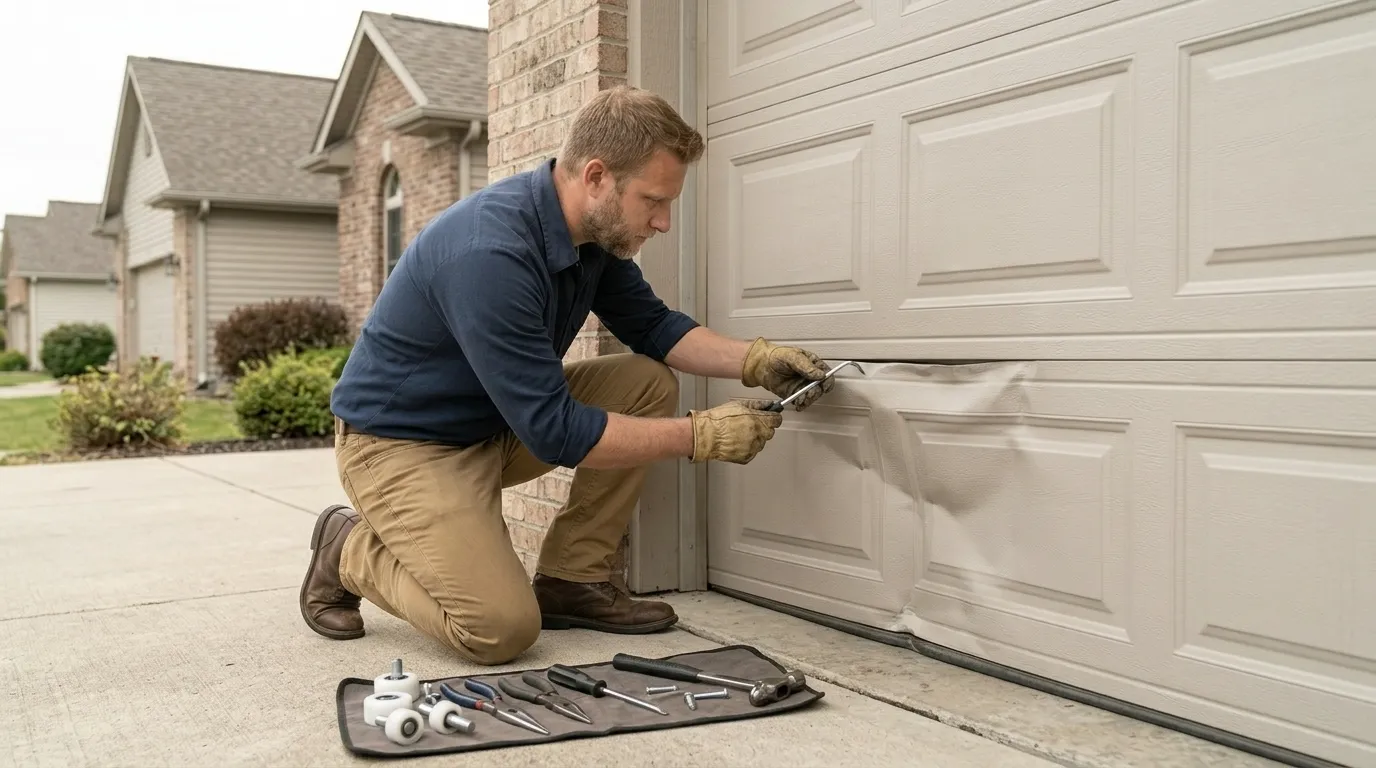
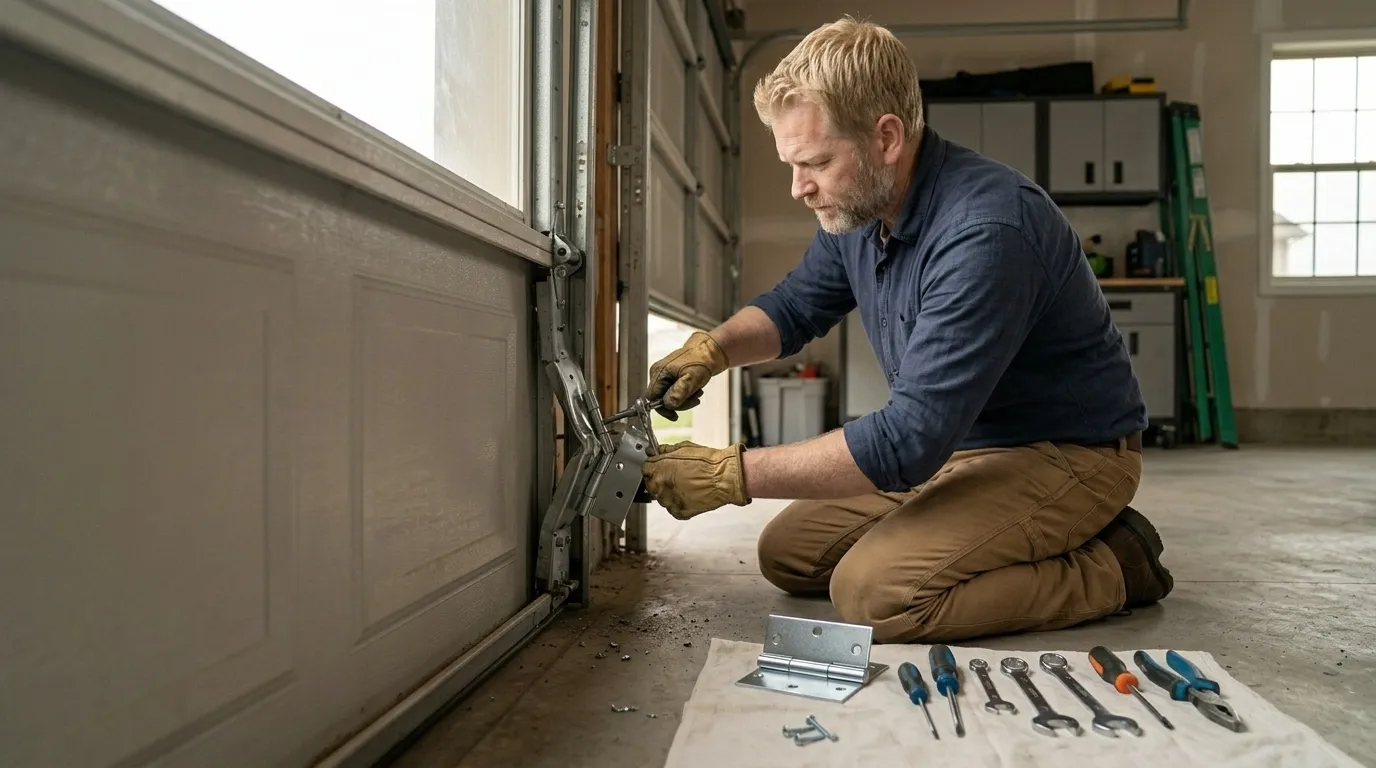
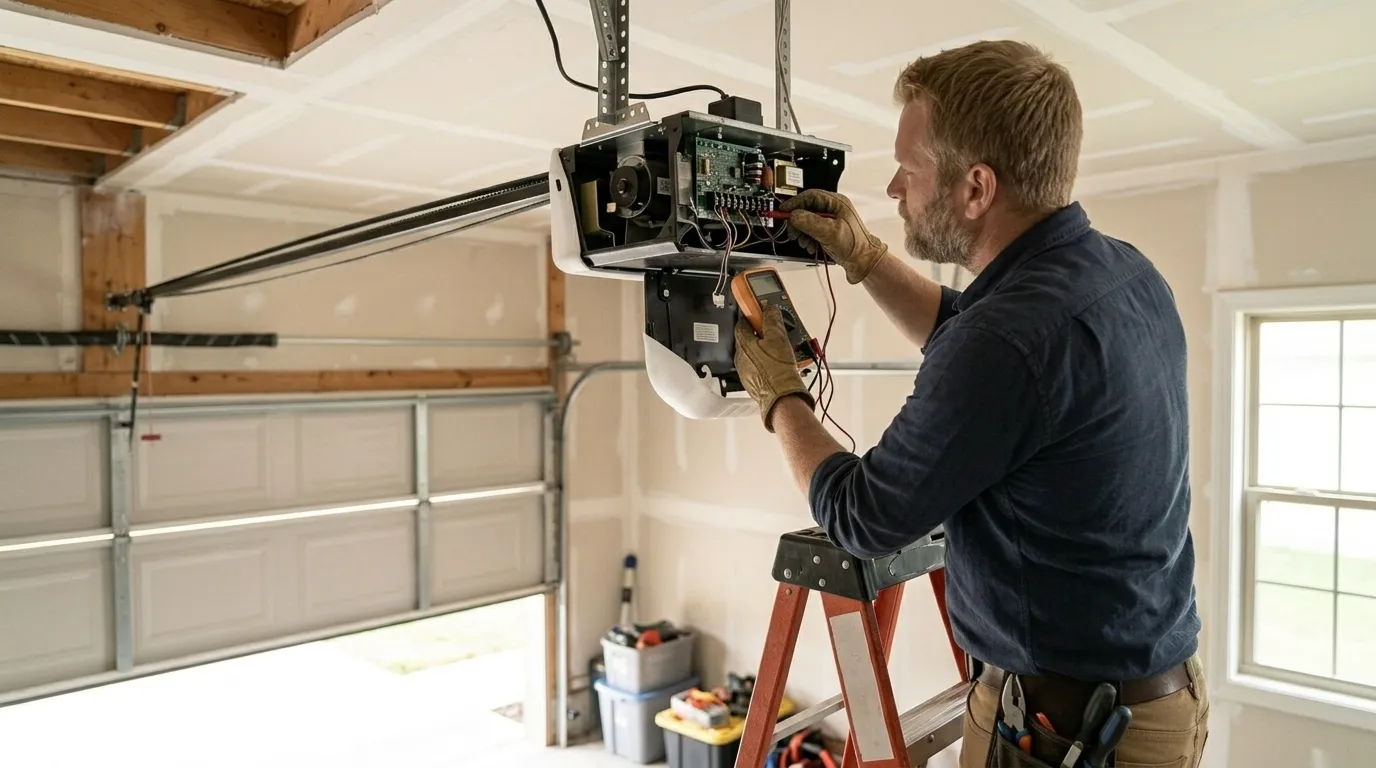
The calls we get from this part of the service area lean toward spring replacement - extension springs on older single doors, torsion conversions on the double-door homes - and opener swaps where a chain-drive unit from the 80s or 90s has finally given out. Panel rust shows up less here than in wetter parts of the country, given the mild climate, but it still turns up on doors that sat unpainted for years.
One limit worth being upfront about: on the oldest narrow doors from the 1965 wave, matching parts can take longer to source than a same-day fix, and sometimes a repair costs more than a straightforward replacement once you add up spring, cable, and track work. We travel the 14 miles from Orange for these calls; we don't keep a depot in Artesia, so scheduling runs on drive time from here rather than same-hour walk-ins.
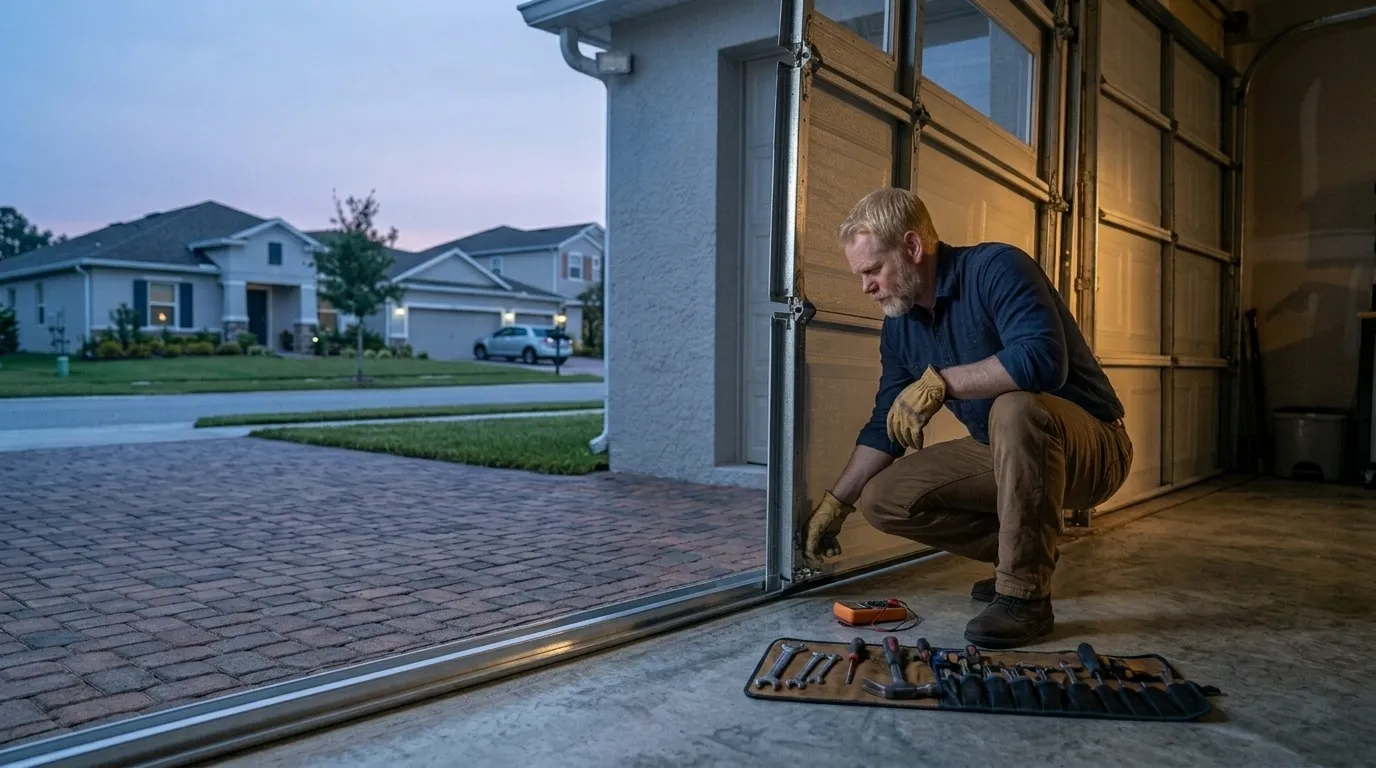
Recent Work Near Artesia
How We Can Help
Garage Door Repair
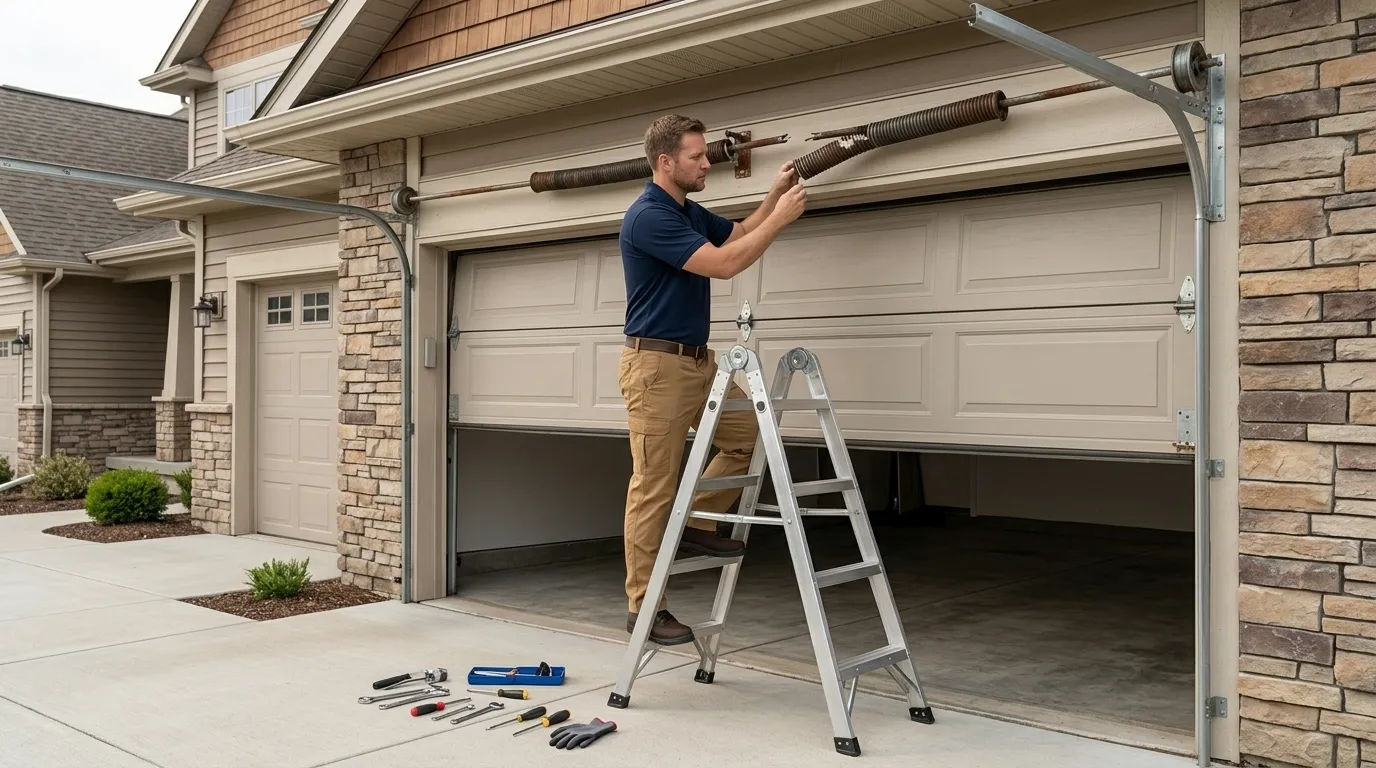
Springs, cables, tracks, rollers, and openers fixed by a tech who explains the problem before touching anything.
Learn more →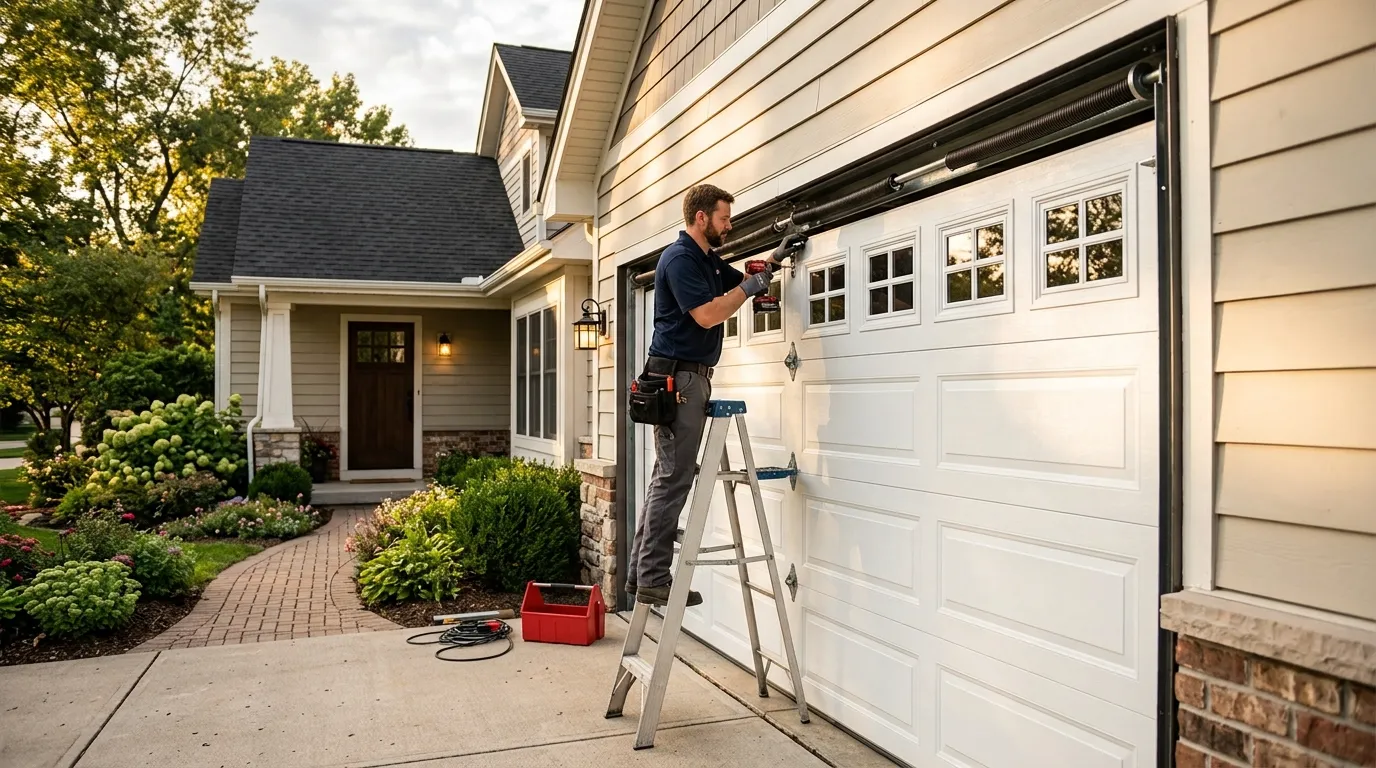
Garage Door Installation
New sectional doors sized and installed for the housing stock actually built in this area.
Learn more →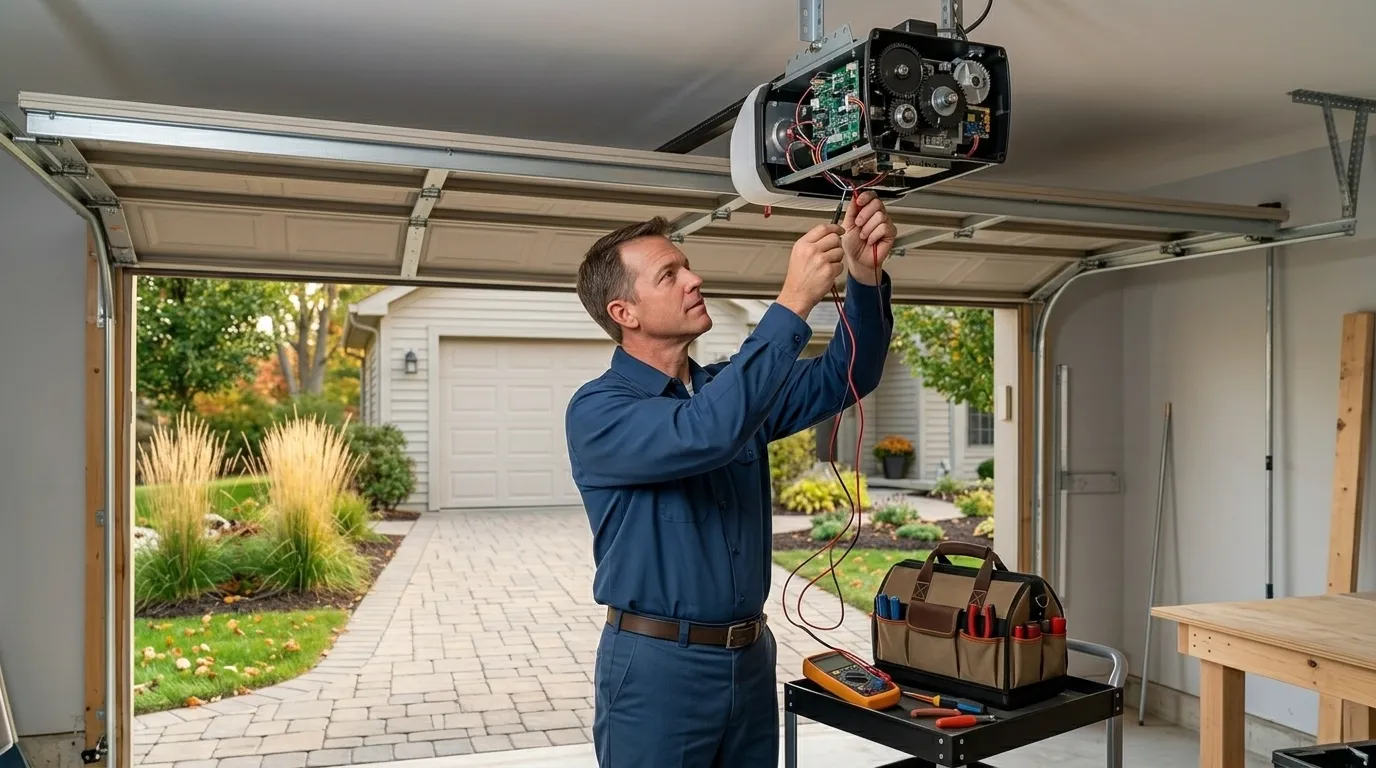
Garage Door Service
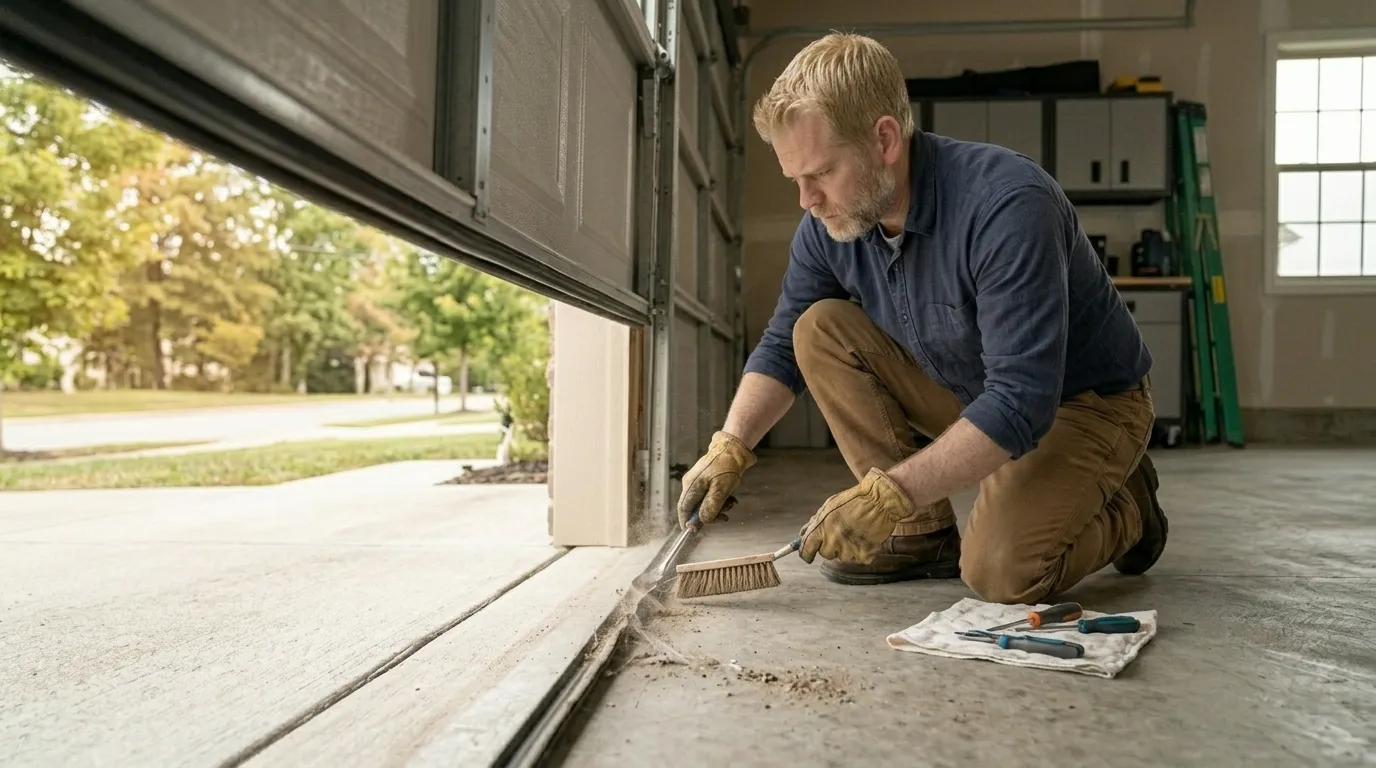
Tune-ups, lubrication, and safety checks that catch a small problem before it becomes a service call.
Learn more →What Happens When You Call
Call or Request a Quote
Tell us what the door is doing and roughly how old the house is - that alone points us toward the likely part before a truck leaves.
On-Site Diagnosis
A tech checks the spring, cables, tracks, and opener in person and tells you plainly what is actually wrong.
Straight Price, No Surprises
You get a number before any work starts. It covers parts and labor, nothing added after the fact.
Fixed the Same Visit
Most repairs are done in one trip. If a part needs sourcing, we tell you that upfront instead of guessing.
Frequently Asked Questions
Do you have a location in Artesia?
No, we're based in Orange and drive the 14 miles out for calls here. That doesn't change parts or labor pricing, it just means scheduling runs on drive time rather than same-hour walk-ins from a local depot.
Why does my 1965 door use different springs than my neighbor's newer door?
Doors built around Artesia's 1965 median mostly used extension springs mounted on the horizontal track, while doors from later in the area's 1960s-70s wave often switched to torsion bar setups. The mount, spring size, and cable routing differ, so parts from one don't always fit the other.
Is rust a big problem for garage doors in this area?
Less than in wetter parts of the country. The mild temperate climate here is easier on wood and steel panels than a humid or coastal-fog region, but doors that sat unpainted for decades still develop rust at the bottom panel and hinge points. It's more common on the original 1965-era doors than on later replacements.
How do I know if I should repair or replace an old door?
If it's a standard-width double door, repair almost always makes sense - parts are easy to source. On the older narrow single doors from the 1965 wave, matching hardware can take longer to find, and once you add up spring, cable, and track work, replacement sometimes costs less than a full repair.
Get Your Door Fixed in Artesia
Call now for same-area service.