
Orange Garage Door Guide
Weather Seals and Draughts in Orange Homes
Orange homes built between 1938 and 1995 lose heat and let in dust through worn bottom seals and side weatherstrip. Here's what actually wears out and why.
- Licensed & Insured
- Same-Area Service Calls
- Upfront Pricing
When to Get Help
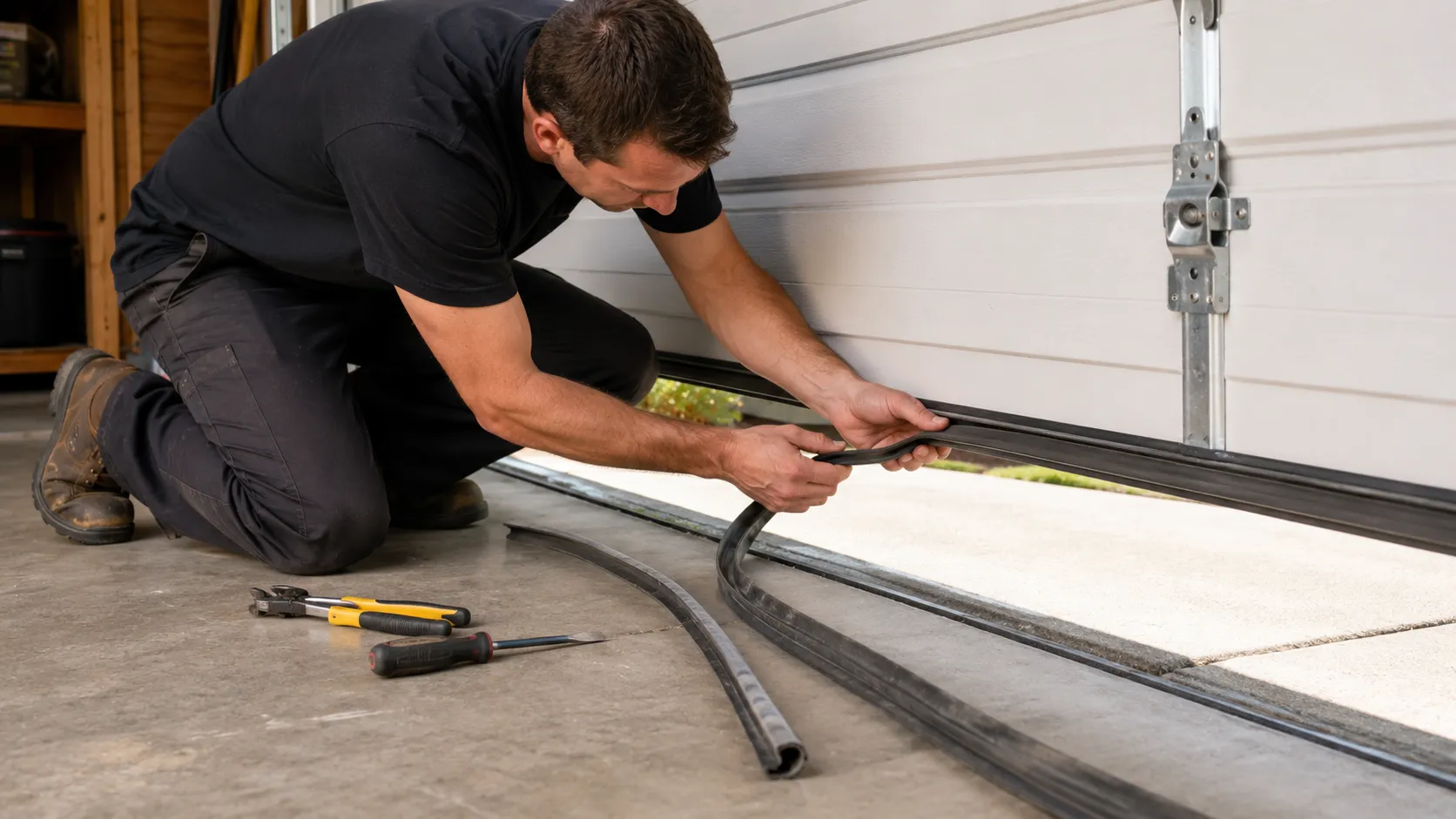
If you feel air moving under the door on a still day, or you sweep out dust and dead leaves along the bottom edge every week, the seal has given up. In Orange, most of the housing dates to 1938 through 1995, with the median build year around 1968. Doors and tracks from that era were fitted with seal channels and astragal styles that don't match what's sold today, so the wrong replacement seal will gap at the corners even when it looks fine at the counter.
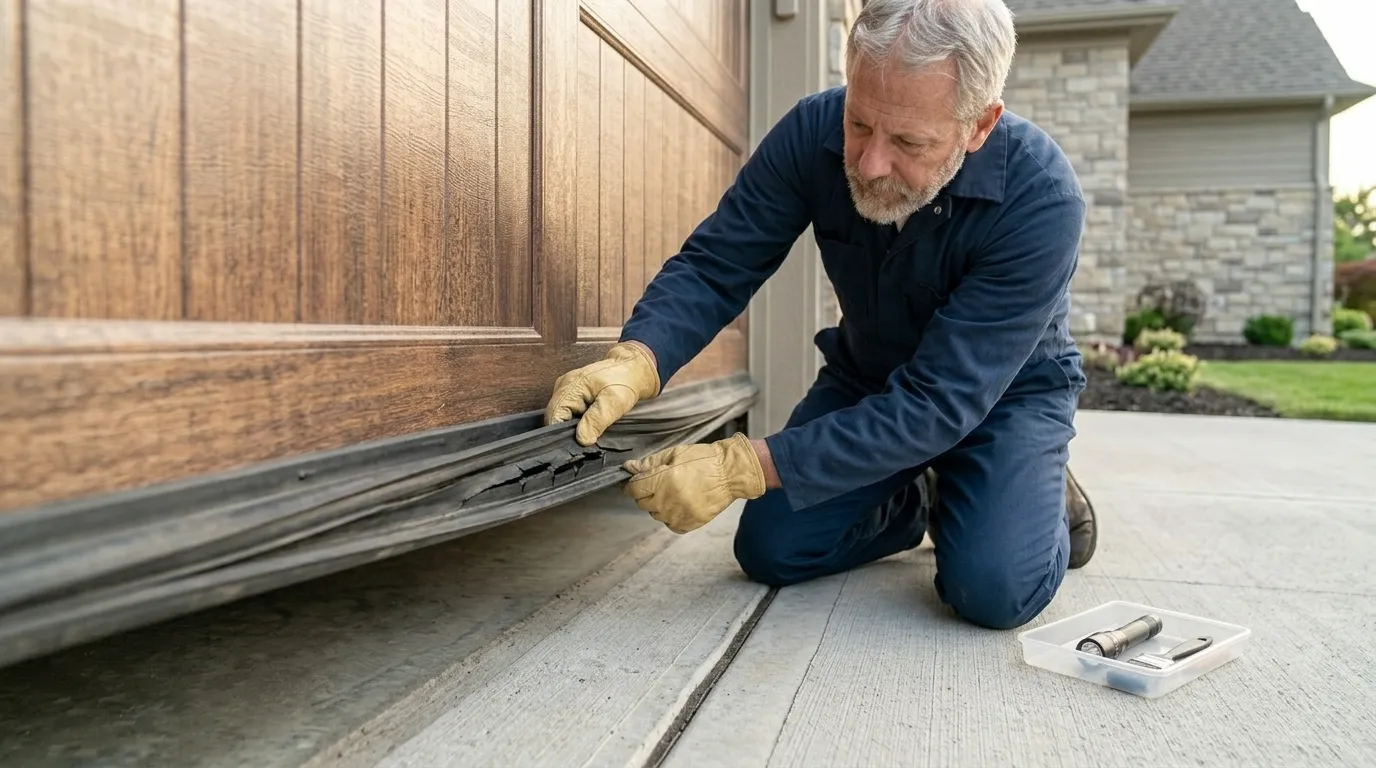
Call for help when the bottom seal has hardened and cracked, when you can see daylight at the door's edges, or when a rodent or bug problem starts near the garage - that's usually a seal failure, not a pest issue. You don't need a call for a seal that's just dusty or slightly flattened; a homeowner can often press that back into shape. Get someone out when the vinyl has split, pulled loose from the retainer, or shrunk enough that it no longer touches the slab across the full width of the door.
What Most People Get Wrong
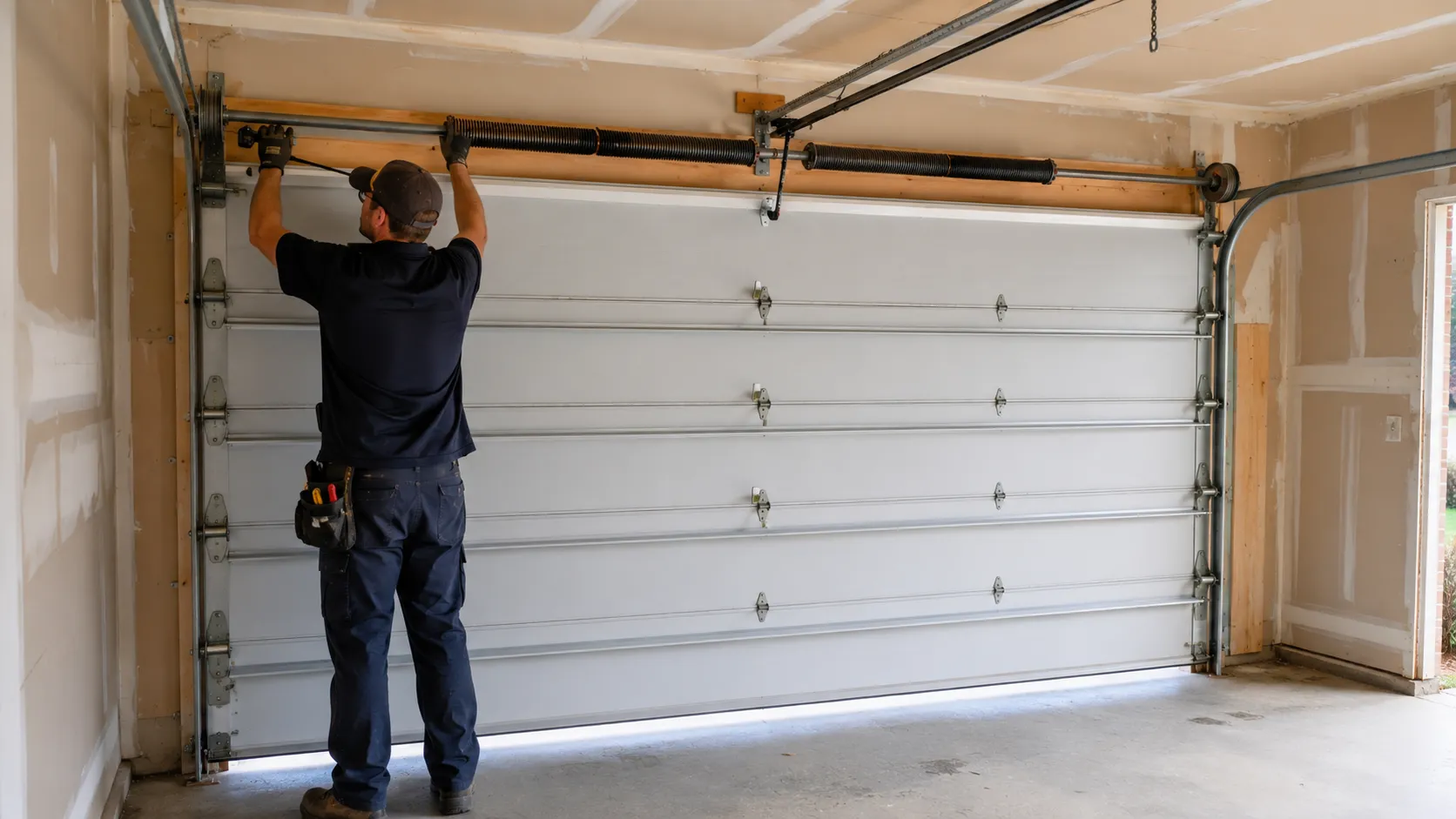
People assume a draught means the door is out of alignment, so they adjust the track or call about the opener. Most of the time in this area it's simpler than that: it's the seal material itself giving out after decades of sun exposure, not a mechanical problem. The mild temperate climate here doesn't freeze seals or crack them with ice the way a harsher climate would, so people are surprised the seal failed at all - the actual cause is UV breakdown and general age, especially on doors that predate the 1990s.
Another common mistake: buying a universal bottom seal off a shelf and forcing it into a track built for a much older astragal profile. Given the age spread of homes across the area's 47 named neighborhoods, the retainer channel on a house built in the 1960s often doesn't match a seal cut for a modern door, and it will pop loose within a season. The fix isn't always a new seal - sometimes the retainer track itself needs replacing first.
What Is Going On
A garage door seals in three places: the bottom astragal against the slab, the vertical stops along both sides of the frame, and the top seal where the panel meets the header. On a house built in the 1960s or 70s - the bulk of what's standing in Orange - all three of these were installed with materials that have a working life measured in years, not decades. Vinyl and rubber both harden and shrink with age and sun exposure, and once a seal shrinks even a quarter inch, it stops making contact with the slab and starts letting air, dust, and small debris through instead of stopping it.
The slab itself doesn't move much in this climate band - there's no deep frost heave to worry about - so once a seal is properly seated and cut to the right length, it tends to stay seated. The gap you're feeling almost always traces back to old material, not a shifting foundation or a settling slab.
What Local Conditions Do
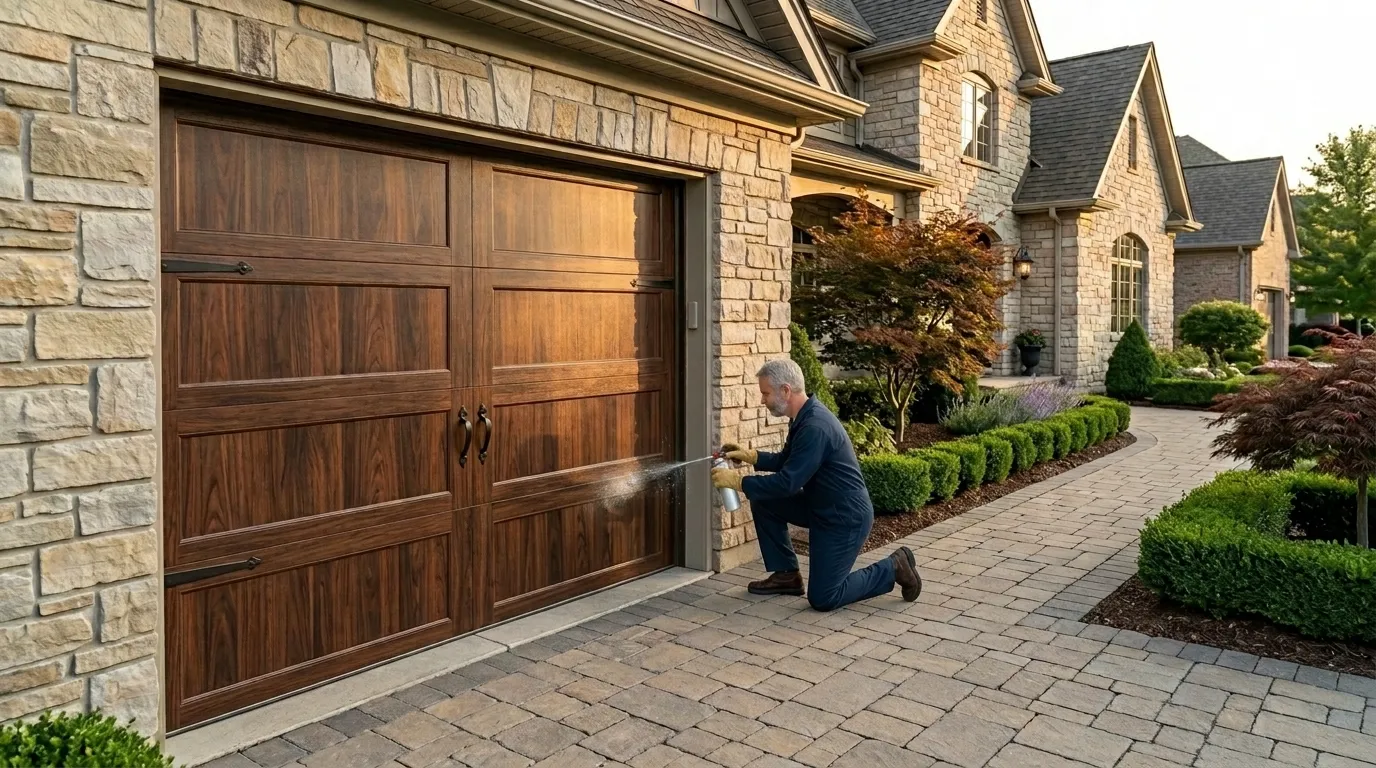
Orange sits in a mild temperate band, so seals here don't take the freeze-thaw cracking or the extreme heat cycling that break down rubber fast in harsher climates. What they do take is steady, direct sun for most of the year, and that UV load dries out vinyl and rubber at a slower but still real pace. A seal that might last a long time somewhere shadier or colder can still go brittle here just from sustained sun exposure on a west- or south-facing garage.
It's a quieter failure than what you'd see with ice or heavy snow load elsewhere - no dramatic cracking overnight, just a gradual loss of contact along the bottom edge that you notice as dust inside the garage or a draft near your feet when you're standing at a workbench. One limitation worth being upfront about: we can reseal a door, but if the bottom panel itself is warped or the track is bent, a new seal won't hold a proper line no matter how well it's fitted, and that's a repair or replacement conversation, not a seal swap.
How We Can Help
Garage Door Repair
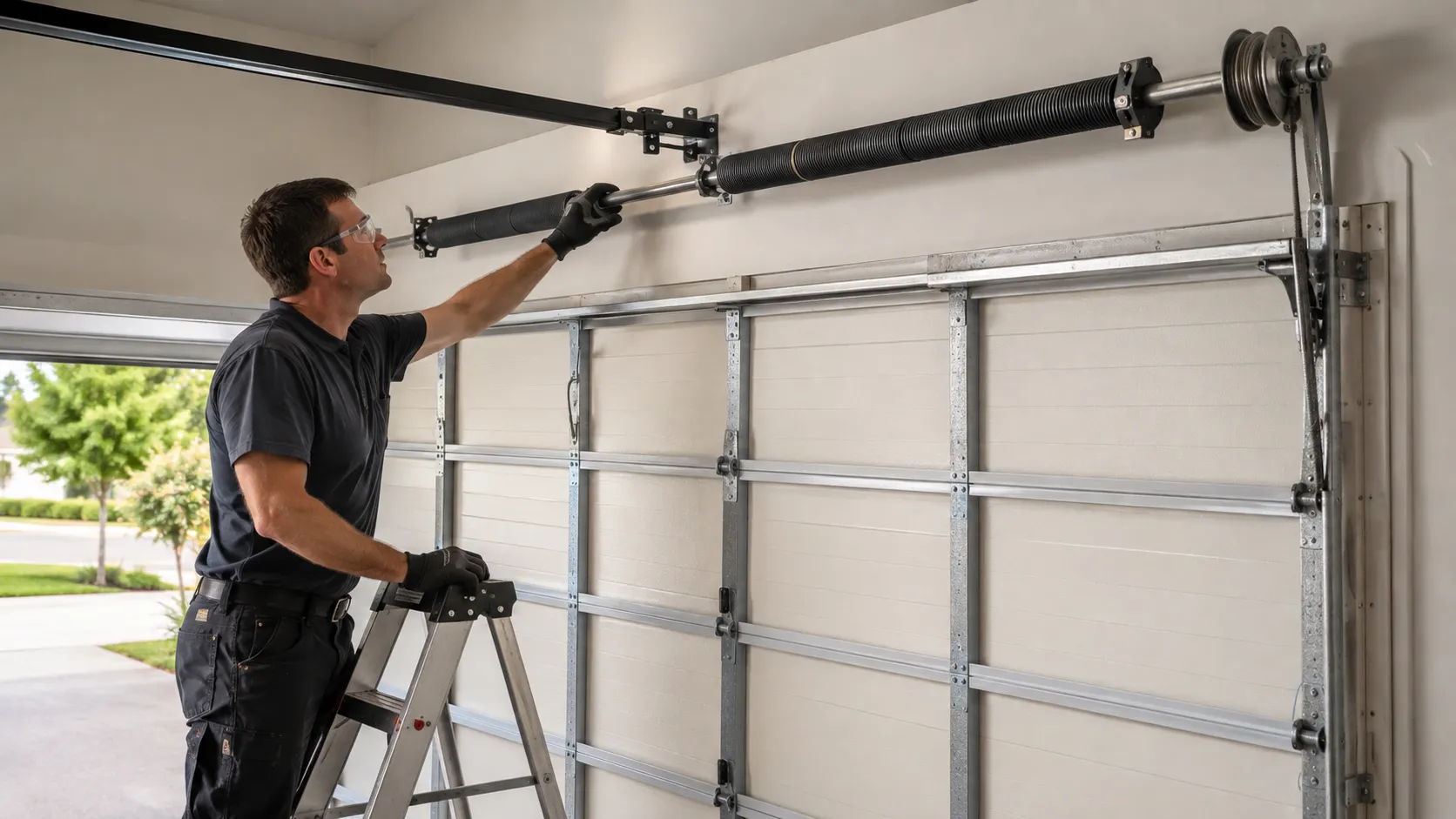
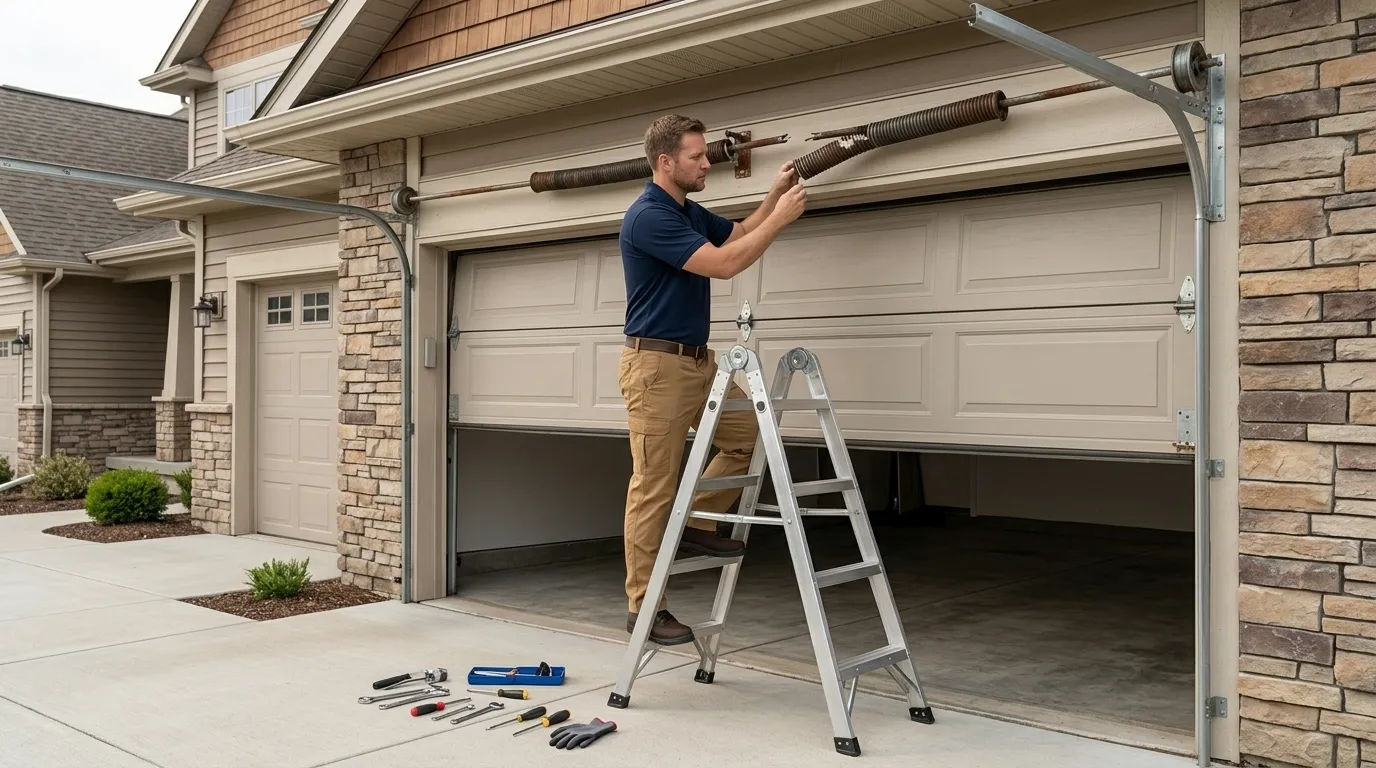
Springs, cables, tracks, rollers, and openers fixed by a tech who explains the problem before touching anything.
Learn more →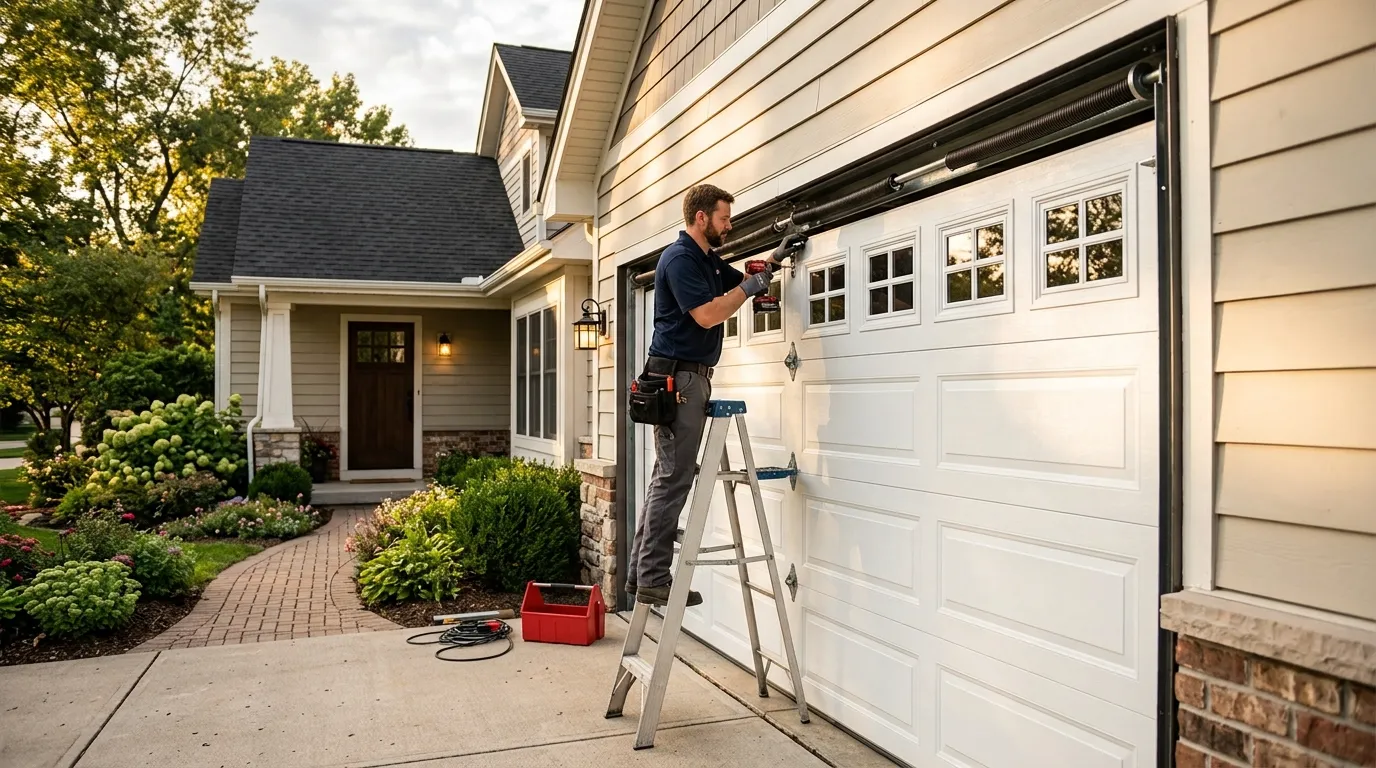
Garage Door Installation
New sectional doors sized and installed for the housing stock actually built in this area.
Learn more →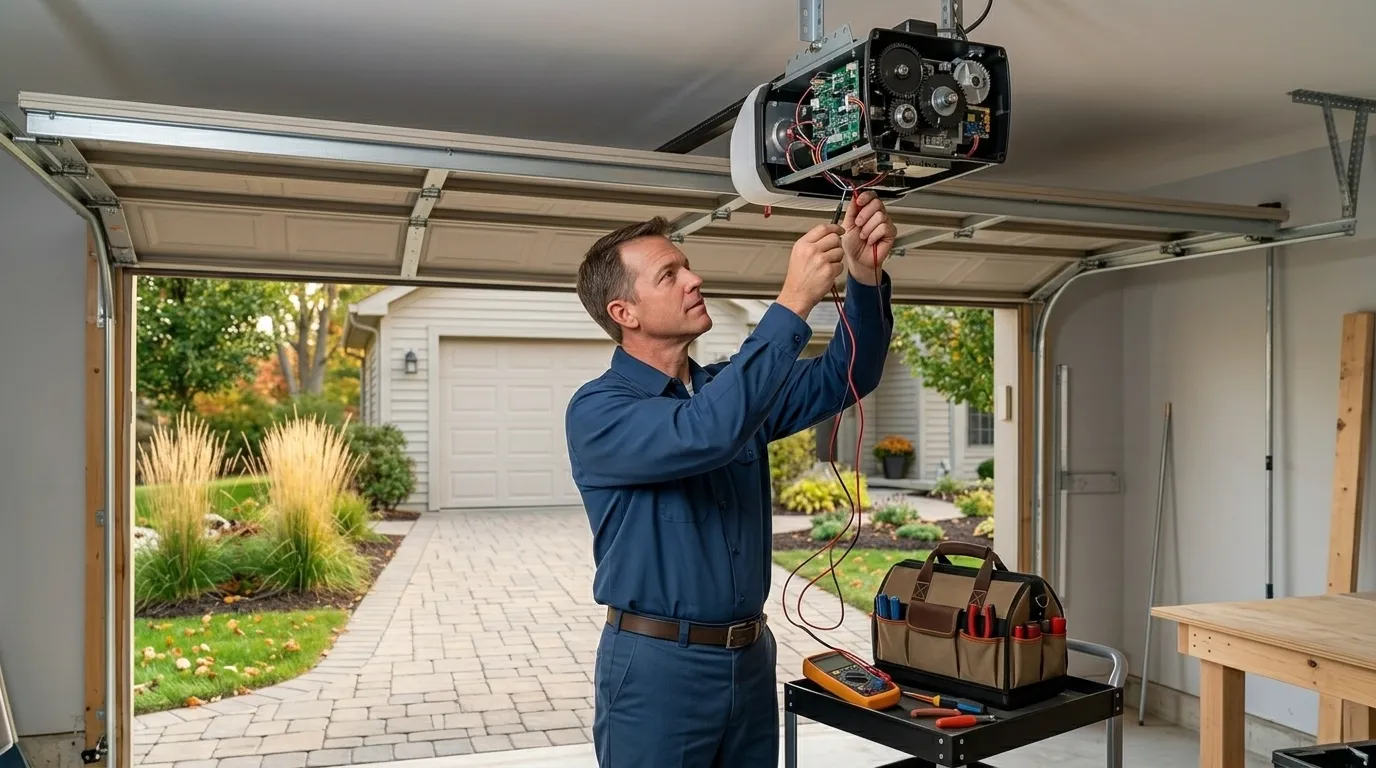
Garage Door Service
Tune-ups, lubrication, and safety checks that catch a small problem before it becomes a service call.
Learn more →Frequently Asked Questions
Why is my garage suddenly dustier than it used to be?
That's almost always a bottom seal that's shrunk or cracked with age rather than a new problem with the door itself. Once the seal stops making full contact with the slab, dust and debris from outside the garage move right under the edge. Check the seal along its full width - if it's hard or pulling away from the retainer, that's your answer.
Does Orange's climate wear out garage door seals faster?
Not through freezing or extreme heat, since the area sits in a mild temperate band. What does the damage is steady sun exposure over years, especially on garages facing south or west, which dries and hardens vinyl and rubber seals gradually rather than all at once.
Can I just buy a seal at the hardware store and install it myself?
Sometimes, but many houses in this area were built well before modern seal profiles were standard, so the retainer channel on an older door may not accept a newer universal seal without modification. If it doesn't seat flush and stay put, the retainer track needs attention first.
Is a draught always a seal problem?
Mostly, yes, but not always. If the seal is new and fitted correctly and you're still getting air movement, the issue is more likely a warped panel or bent track than the seal material - worth a look before buying another seal.
Have a Door That Needs a Second Opinion?
Call and describe what it is doing - we will tell you what it likely is.