
Nearby Community
Garage Door Repair for Brea Homes
Orange Garage Door Pros serves Brea homes built mostly after 1978, ten miles from our Orange base. Torsion spring, opener, and panel repair for late-1970s and newer tract doors.
- Licensed & Insured
- Same-Area Service Calls
- Upfront Pricing
This Area's Housing
Brea sits about ten miles from our Orange base, and the housing stock here runs newer than a lot of what we see closer to home. The median year built across our service area is 1968, but Brea's own median lands around 1978 - a full decade later. That decade matters more than it sounds like it should.
Doors and openers installed in the late 1970s and into the 1980s used different hardware standards than the 1960s tract construction that dominates elsewhere in our coverage area. Steel sectional doors were becoming the norm here rather than the older flush wood or single-panel styles you still find on the 1960s streets. With roughly 16,566 households in Brea and a median income near $124,837, a fair number of these original garage systems have already been swapped out once, but plenty of the original torsion setups and jamb hardware from the build-out era are still hanging on, especially on doors that have never needed a repair bad enough to force a full replacement.
How That Shows Up in the Door
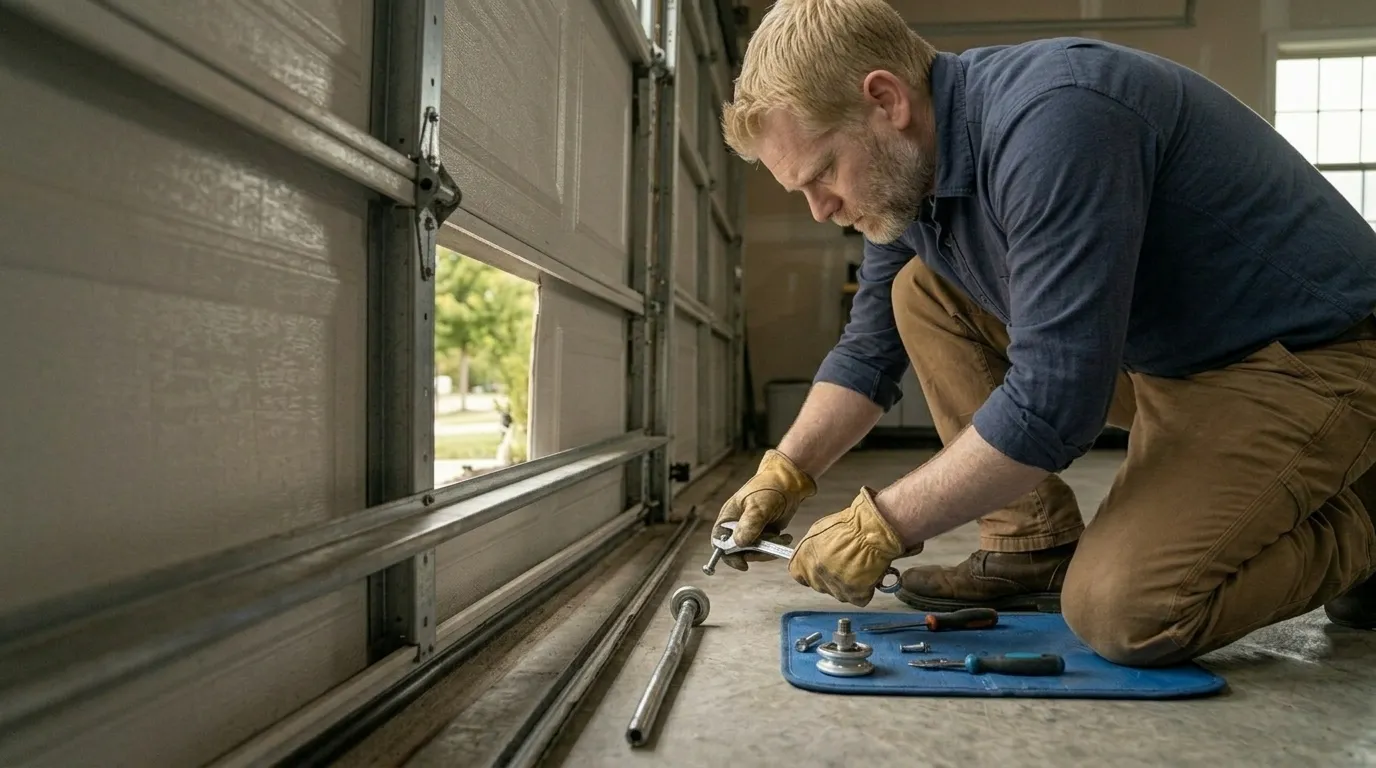
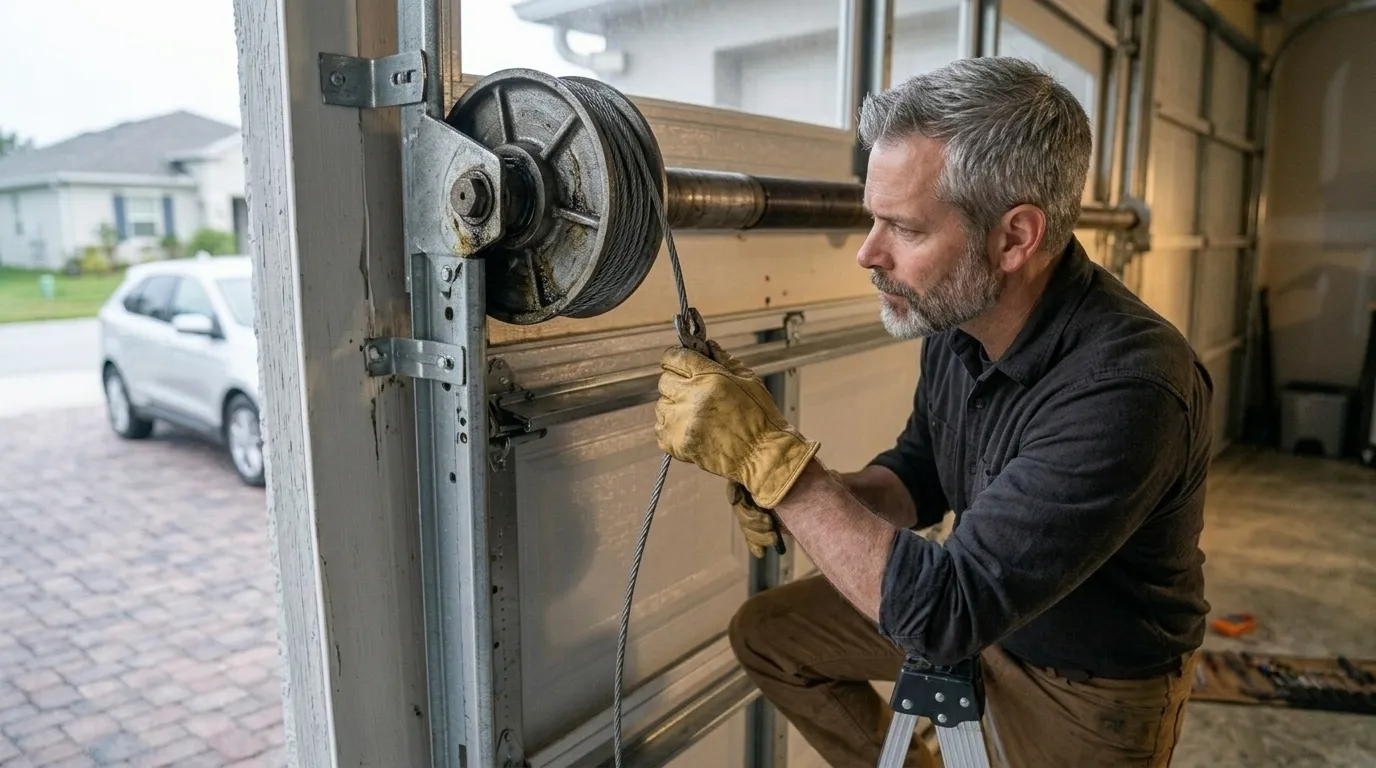
A door installed around 1978 typically has a torsion spring system mounted on a header bracket that's a little different in size and mounting pattern than what you'll find on a 1962 build. Cable drums, end bearing plates, and even track gauge shifted as manufacturers standardized through the late 70s and 80s. When we get a call for a broken spring or a door that won't stay up, the first question is always what's actually behind the panel - not just what year the house was built, but which round of hardware it's on.
Our mild coastal-influenced climate band means these homes aren't fighting frost heave or big seasonal swings, so track misalignment here is more often from age and wear on rollers than from ground movement. Openers from this era, if original, are long past their service life - chain-drive units from the late 70s and early 80s don't have the safety reversal sensors required now, and we won't reinstall or rebuild one to code without adding that.
Old Streets and New Ones
Not every block in Brea dates to the same stretch of construction, and that's true of most areas we cover. Some streets were part of an earlier wave closer to the 1968 area-wide median, with older single-panel or flush wood doors on side-mounted extension springs - the kind of setup that needs parts nobody keeps on a shelf anymore. Other streets, built out later, went up with the steel sectional doors and torsion spring hardware that became standard by the late 1970s.
When you call, telling us roughly when your street was developed, if you know it, saves us a guess. It changes which spring size, which drum, and which track profile we bring on the truck. We don't stock every obsolete part for the oldest doors - sometimes the honest answer on a 1960s-era flush door is that a full replacement costs less than chasing down a discontinued hinge or a matching wood panel.
The Usual Work Here
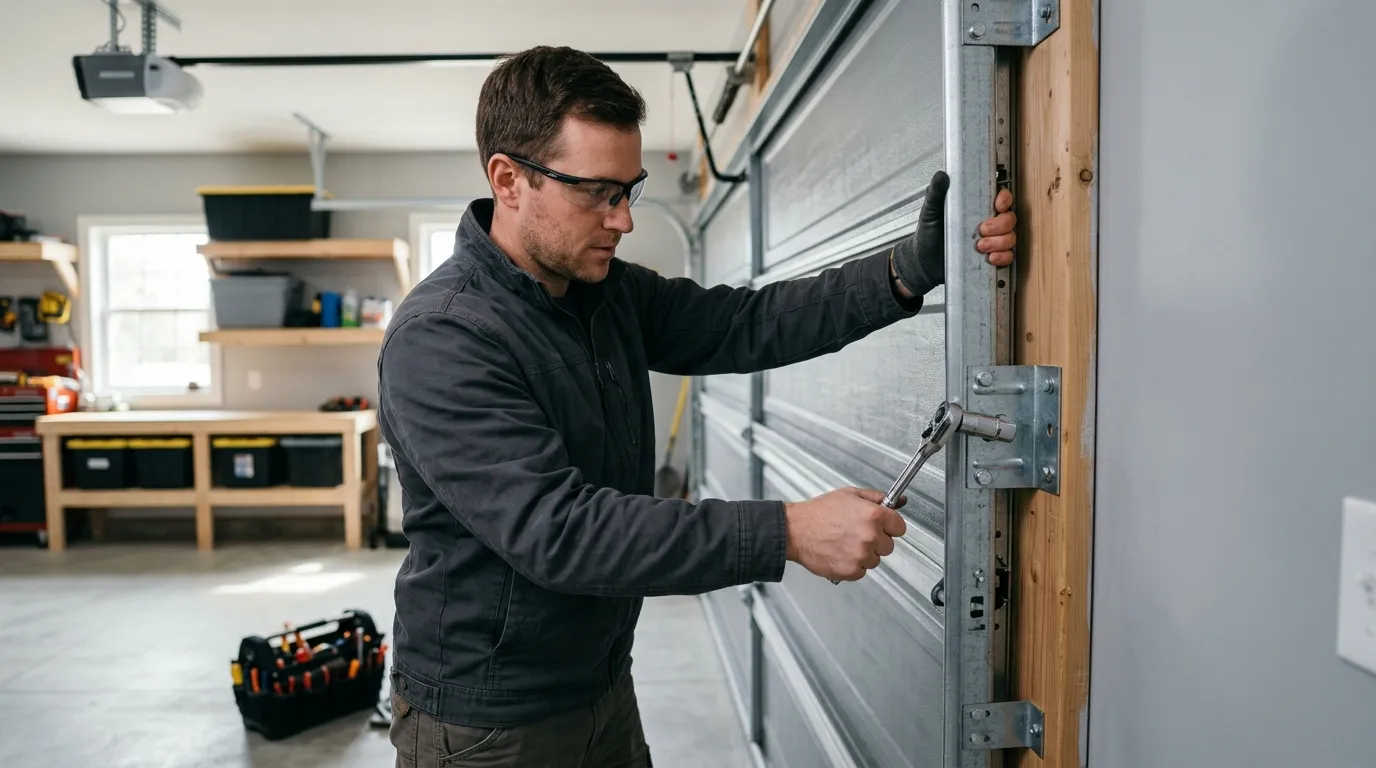
Most of the calls we get from this part of our coverage area are torsion spring failures on doors from the late 70s through the 90s, worn rollers on steel sectional doors, and openers that have hit the end of their working life without ever having safety sensors added. Cable fraying shows up on doors that get heavy daily use, especially two-car doors with a single center spring under more load than the system was designed for over decades of use.
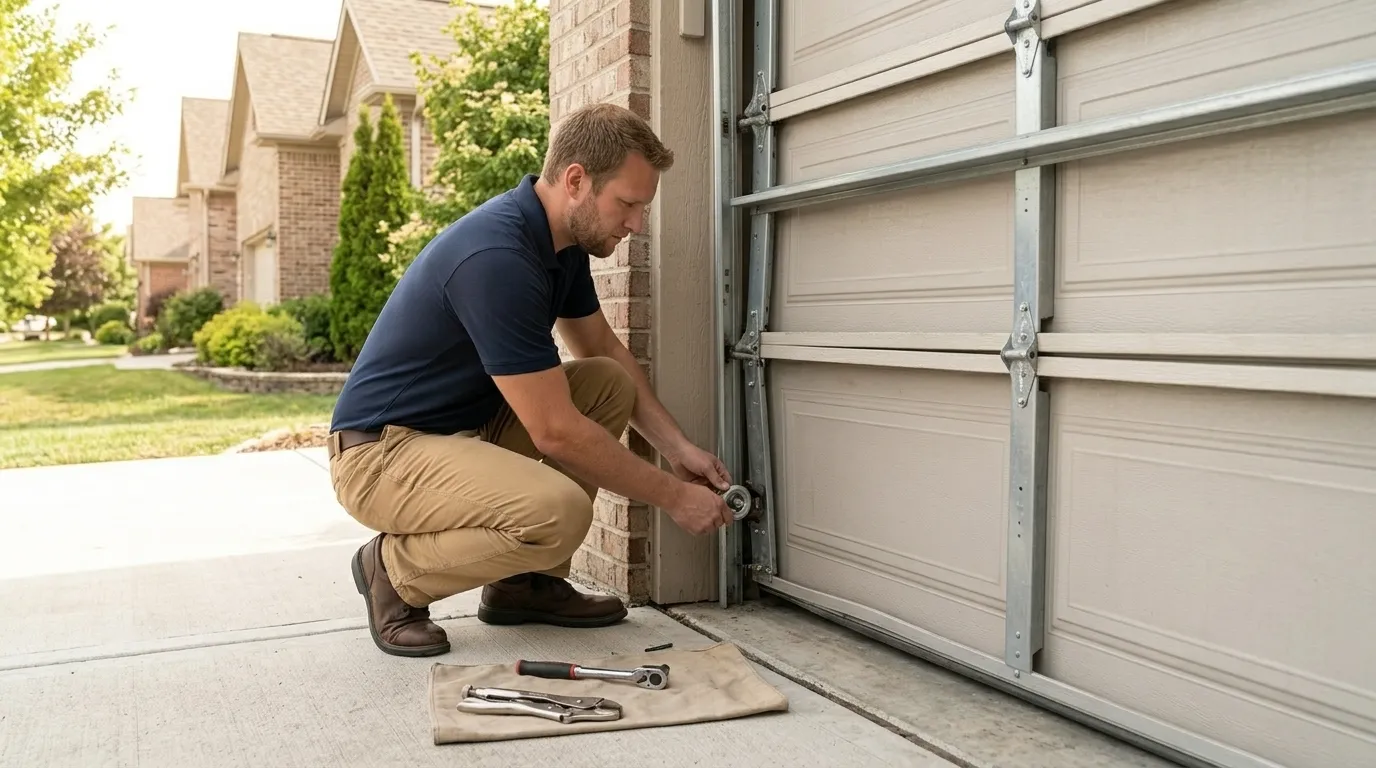
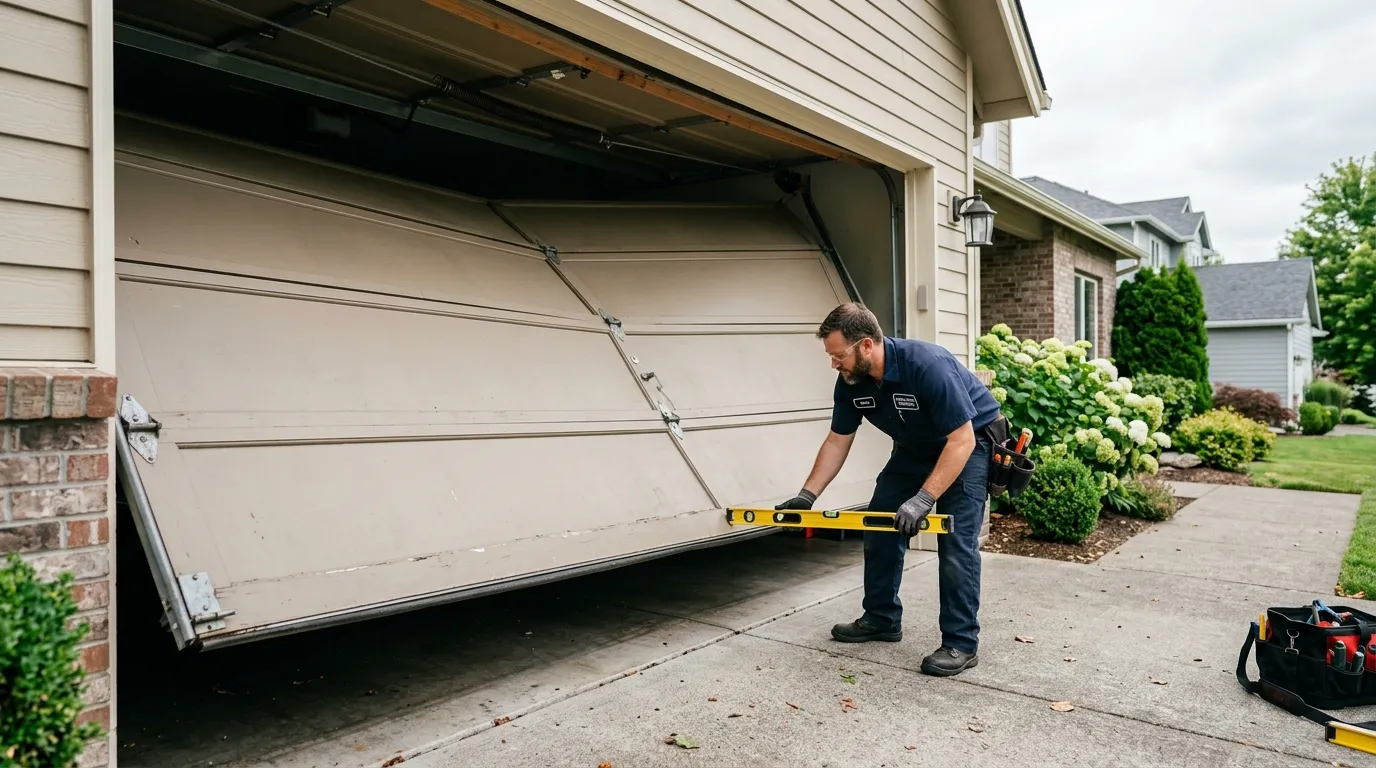
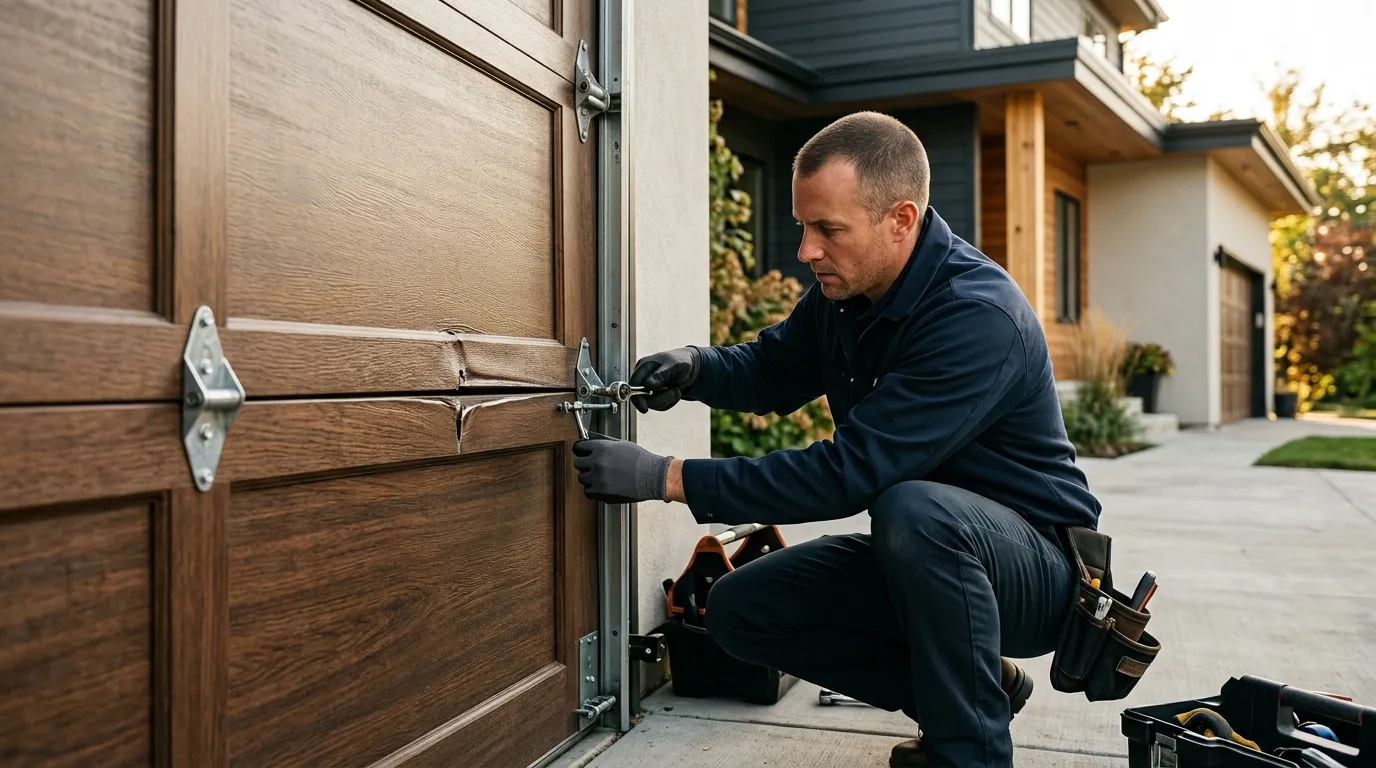
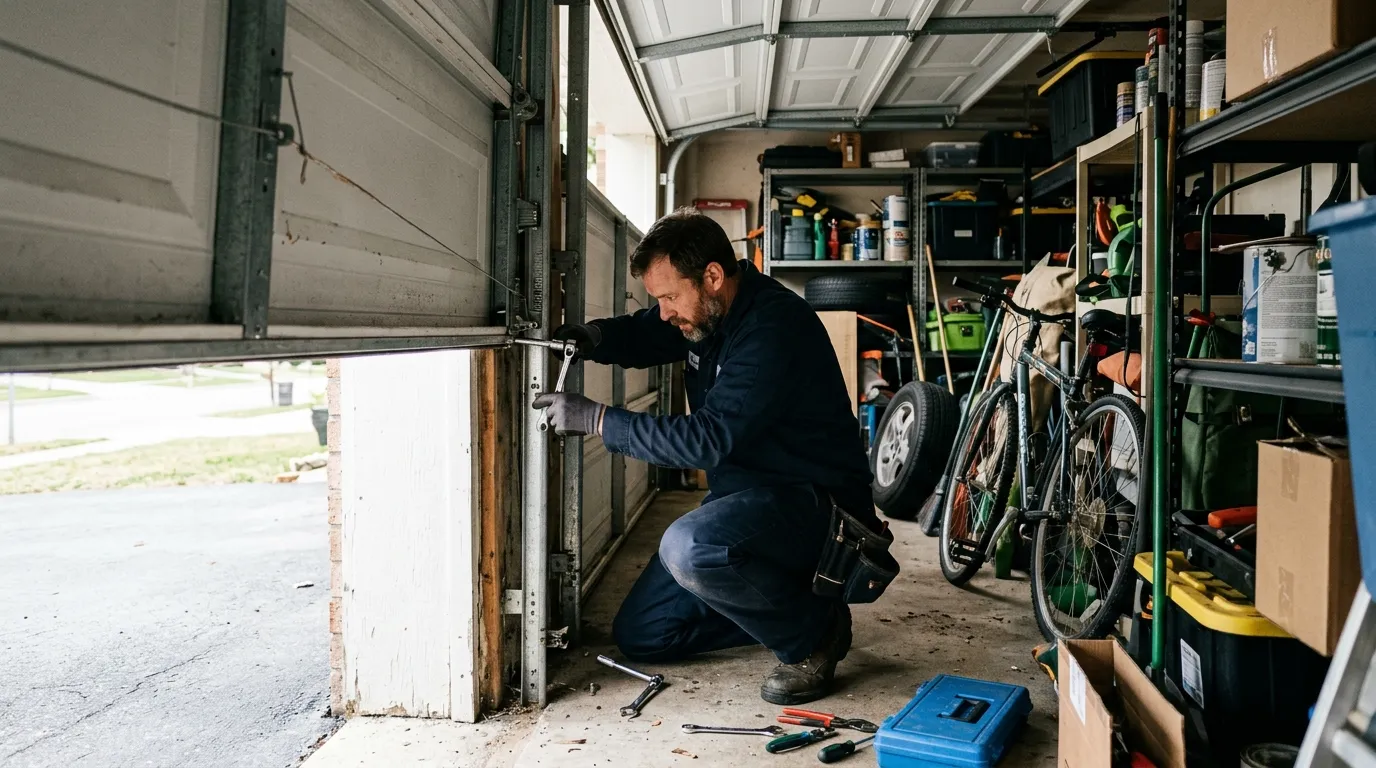
We also see off-track doors where a bottom roller has worn its bracket loose - a fifteen-minute fix if caught early, a bent track and a much bigger bill if it's driven on for weeks. Given the median household income here, most owners choose full opener replacement over patching a unit that's already outdated on safety standards, and that's usually the right call once a unit's original to a 1970s or 80s build.
Recent Work Near Brea
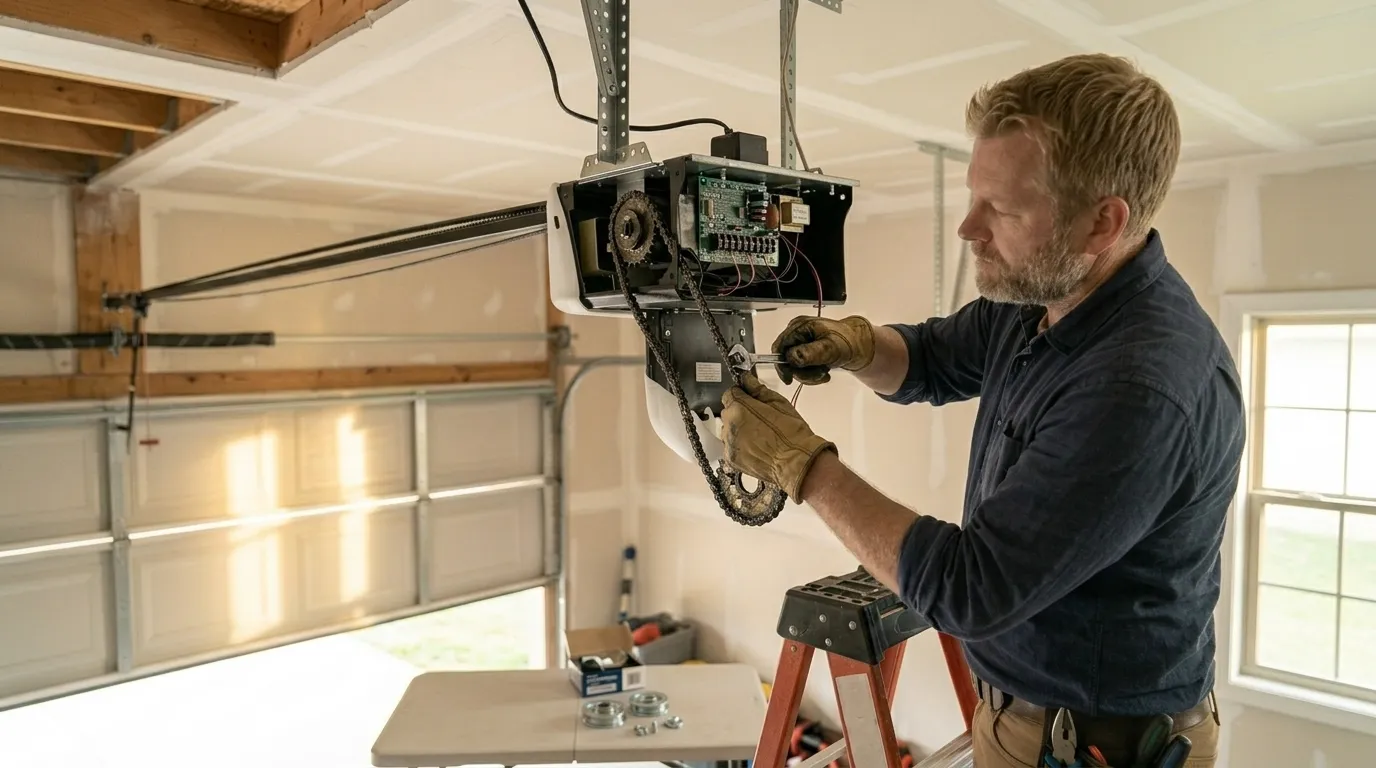
How We Can Help
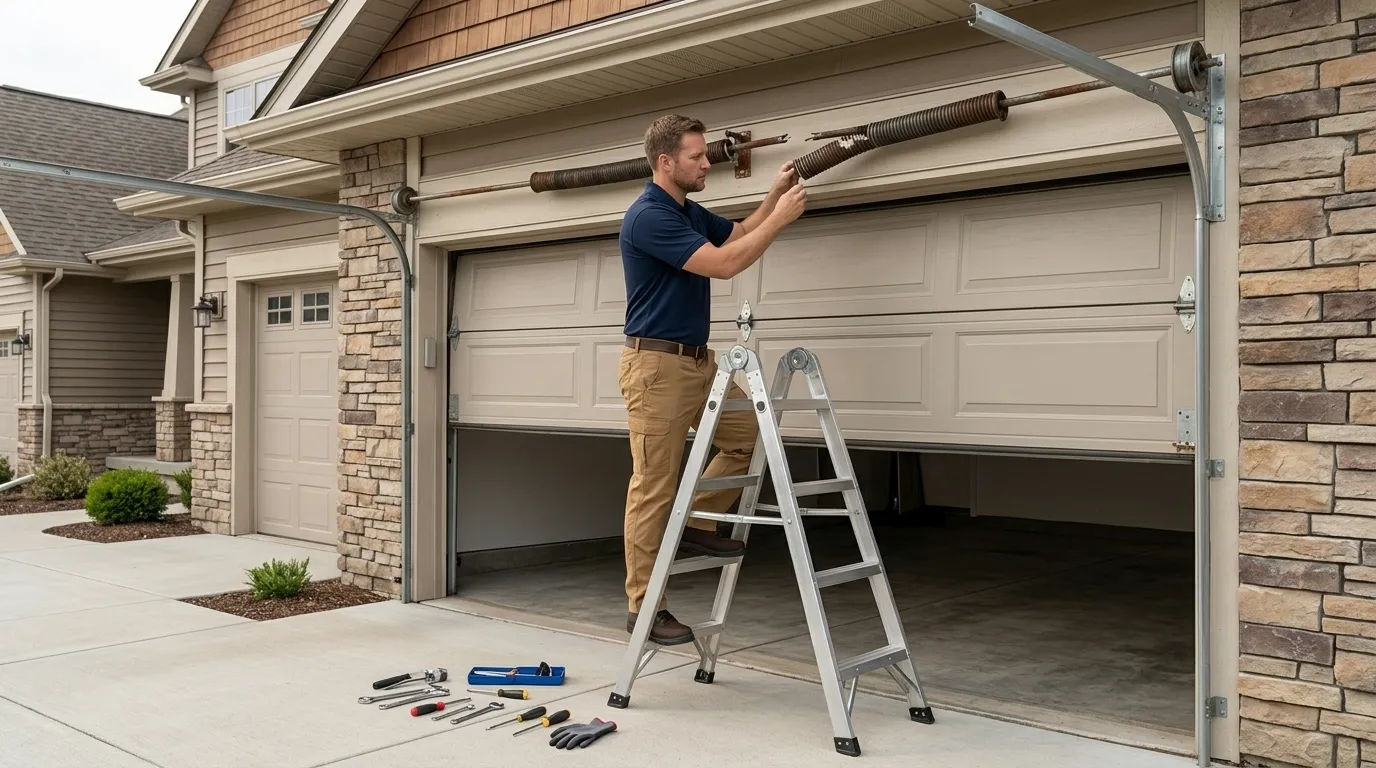
Garage Door Repair
Springs, cables, tracks, rollers, and openers fixed by a tech who explains the problem before touching anything.
Learn more →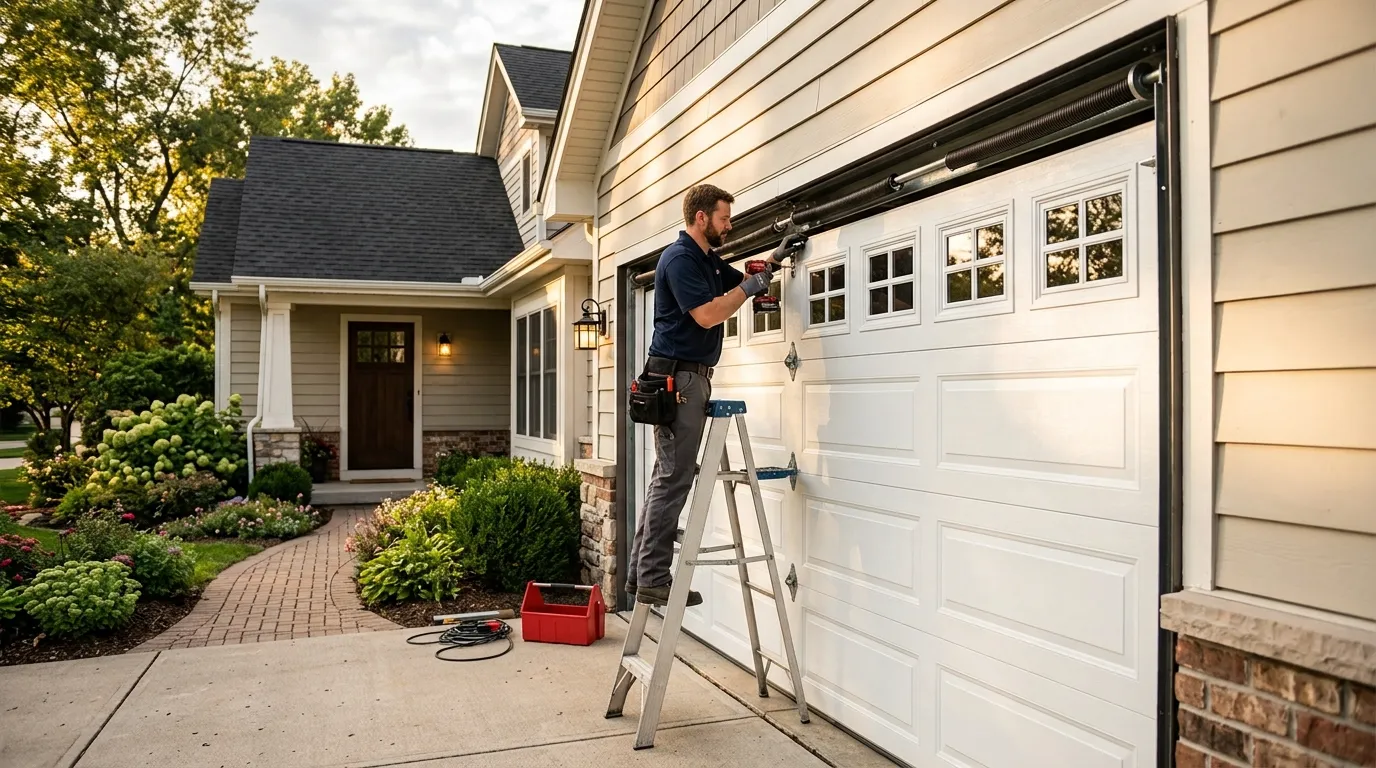
Garage Door Installation
New sectional doors sized and installed for the housing stock actually built in this area.
Learn more →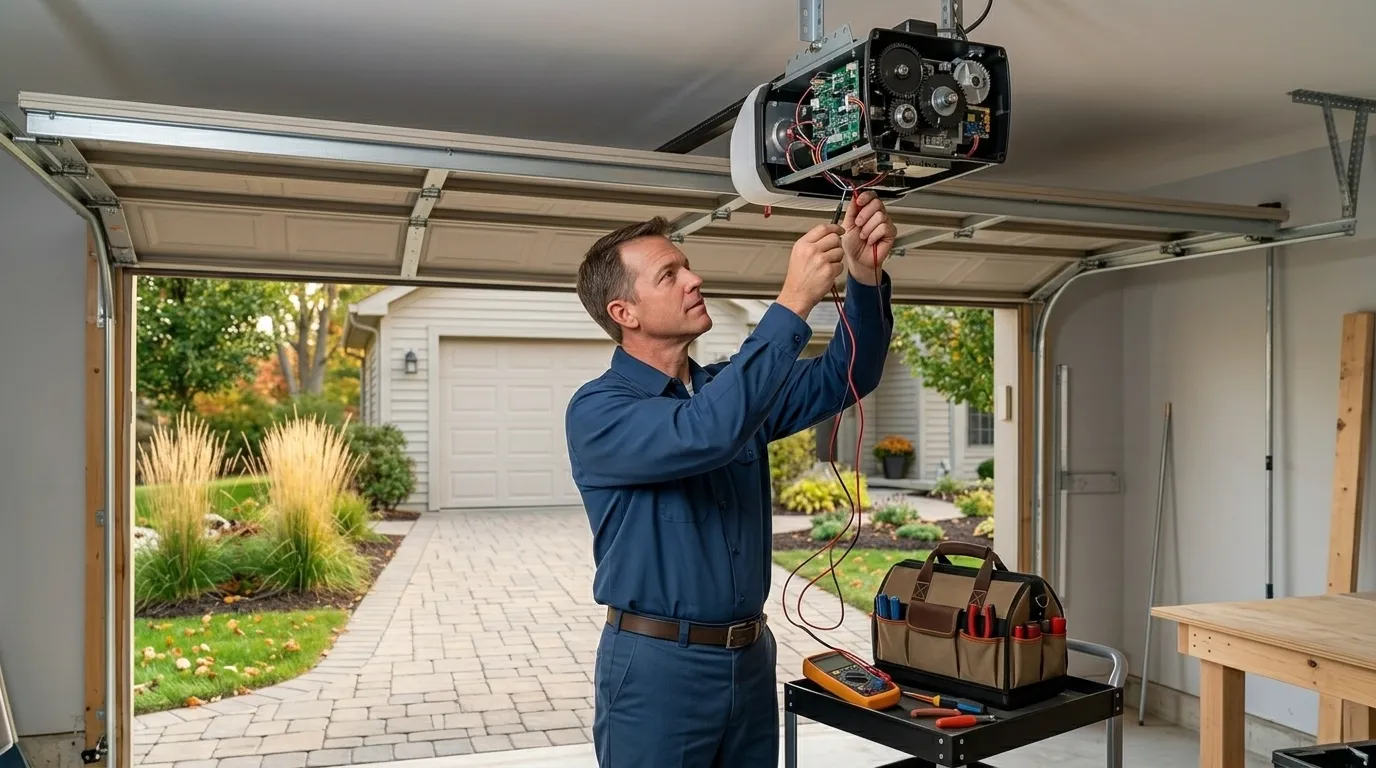
Garage Door Service
Tune-ups, lubrication, and safety checks that catch a small problem before it becomes a service call.
Learn more →What Happens When You Call
Call or Request a Quote
Tell us what the door is doing and roughly how old the house is - that alone points us toward the likely part before a truck leaves.
On-Site Diagnosis
A tech checks the spring, cables, tracks, and opener in person and tells you plainly what is actually wrong.
Straight Price, No Surprises
You get a number before any work starts. It covers parts and labor, nothing added after the fact.
Fixed the Same Visit
Most repairs are done in one trip. If a part needs sourcing, we tell you that upfront instead of guessing.
Frequently Asked Questions
Do you have a shop or depot in Brea?
No. We're based in Orange and travel out to Brea, about ten miles away, for scheduled jobs. We don't claim a local address or same-day guarantee here - we book the drive into the appointment window.
My garage door is original to my 1970s Brea house. Is it worth fixing?
Depends on what's failing. A torsion spring or roller set is usually worth repairing. If the door itself is warped steel or the opener predates safety reversal sensors, replacement is often the more honest recommendation than patching an outdated system.
Why does the age of my street matter for a spring repair?
Hardware sizing changed between the 1960s builds and the late-1970s builds common in Brea. Knowing roughly when your section of the neighborhood went up helps us bring the right spring, drum, and track parts on the first trip instead of a second one.
Does the climate here cause garage door problems?
Our mild temperate band doesn't put much stress on doors from frost or big temperature swings. Most issues we see are from age and use - worn rollers, fatigued springs, cables - not weather damage.
Get Your Door Fixed in Brea
Call now for same-area service.