
Orange Garage Door Guide
Is Your Older Garage Door Worth Fixing in Orange?
Orange homes mostly date to 1938-1995. Here's how to tell when a garage door from that era is worth repairing versus replacing, based on what we see on these streets.
- Licensed & Insured
- Same-Area Service Calls
- Upfront Pricing
When to Get Help
If your door is fighting you every time it opens, that's the moment to call, not wait. A door built during the 1968 median construction era for this area was engineered for a torsion spring and hardware set that's held up for decades, but springs and cables don't last forever.
When a spring lets go on a heavier wood or steel panel door from that period, the opener will strain and sometimes burn out trying to compensate. That's when a small parts problem turns into an opener replacement too.
We also get calls after someone's already tried a WD-40 fix on rollers that are actually worn through, not just dry. If the door is dragging at the tracks, shaking on the way up, or the remote works only some of the time, get a second opinion before spending money in the wrong place.
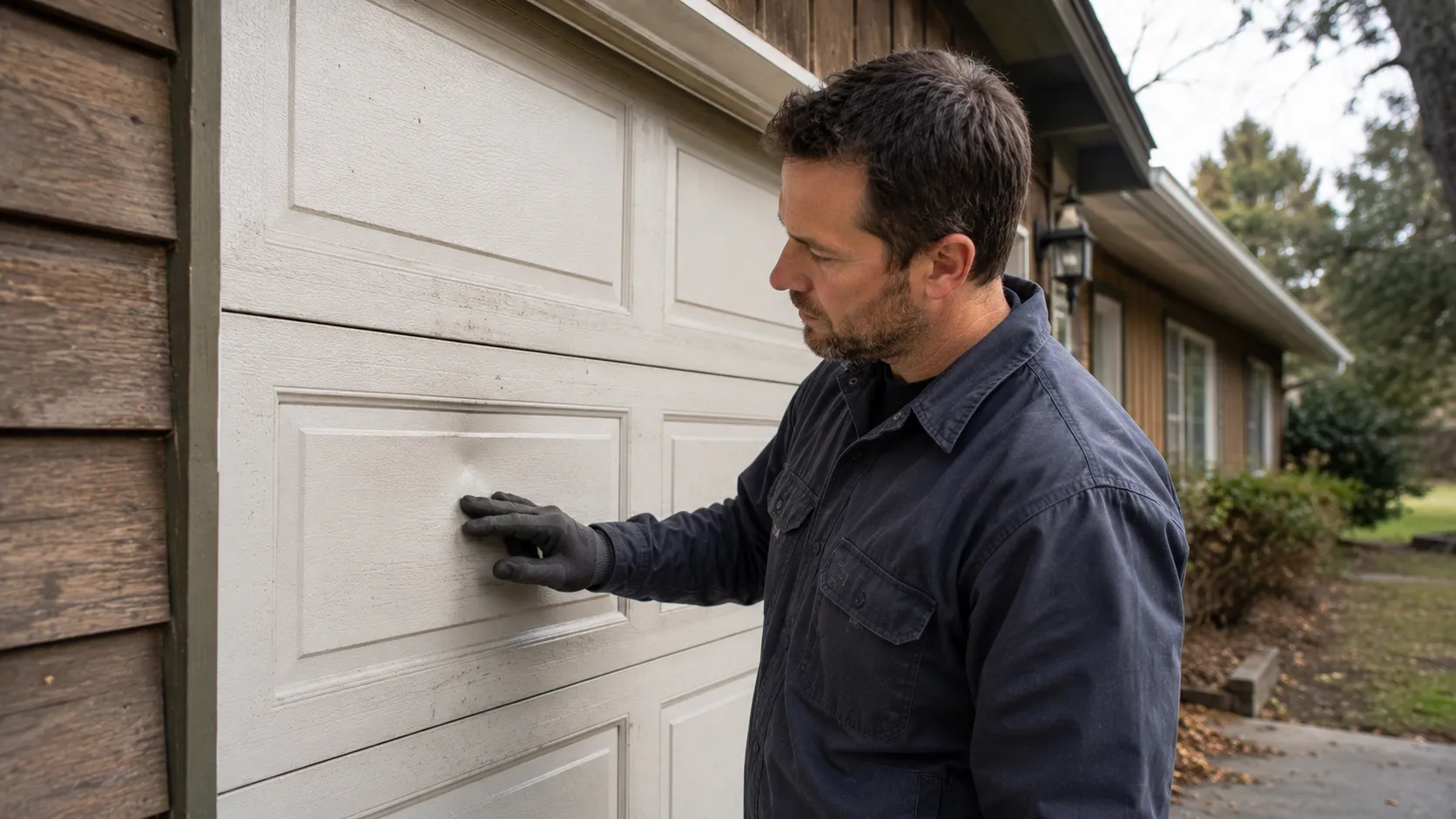
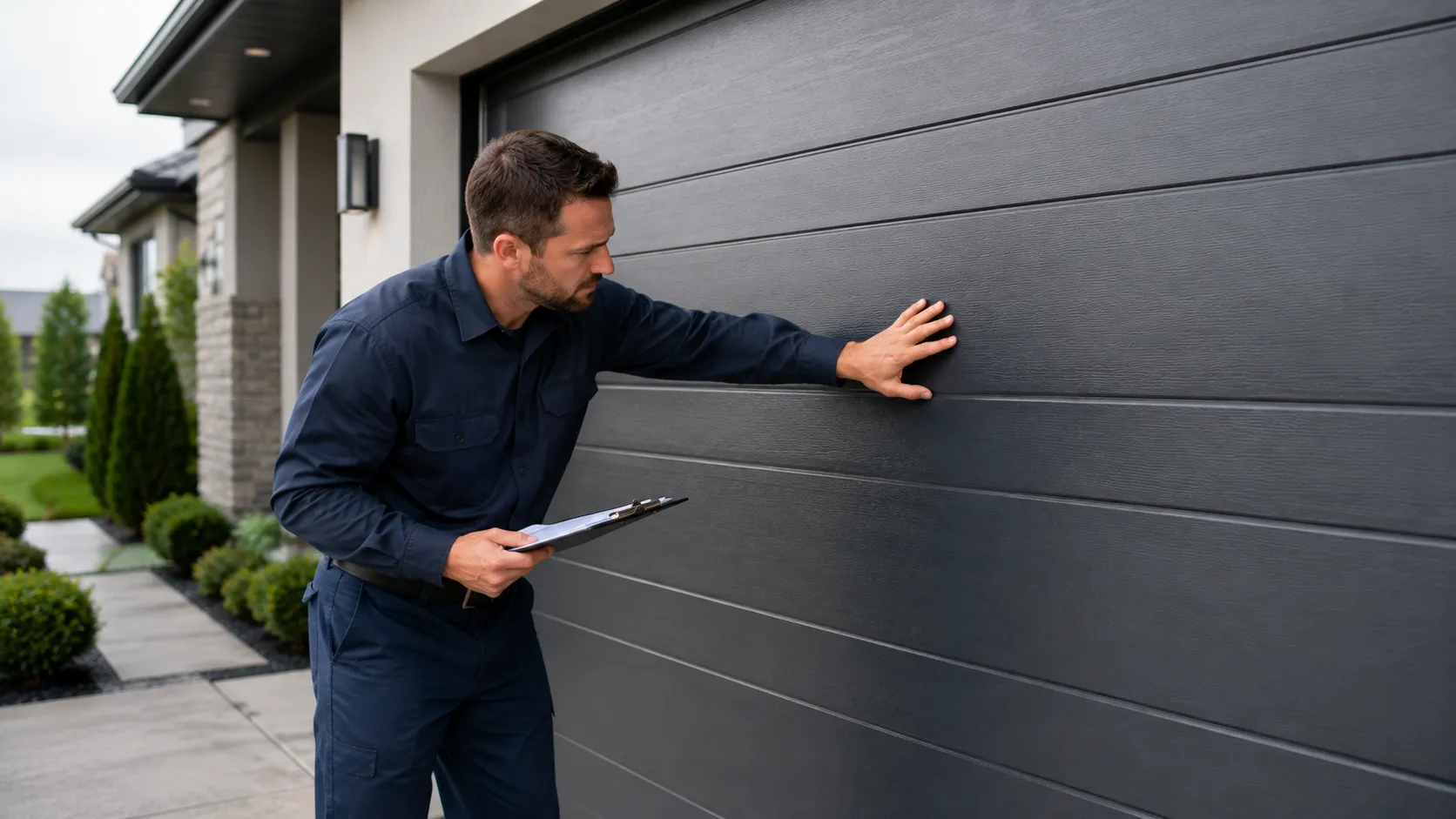
One thing we're honest about: if the panels themselves are rusted through or the wood has delaminated from age, no amount of hardware work saves it. We'll tell you that straight instead of billing you for a spring job on a door that needs to come out.
What Most People Get Wrong
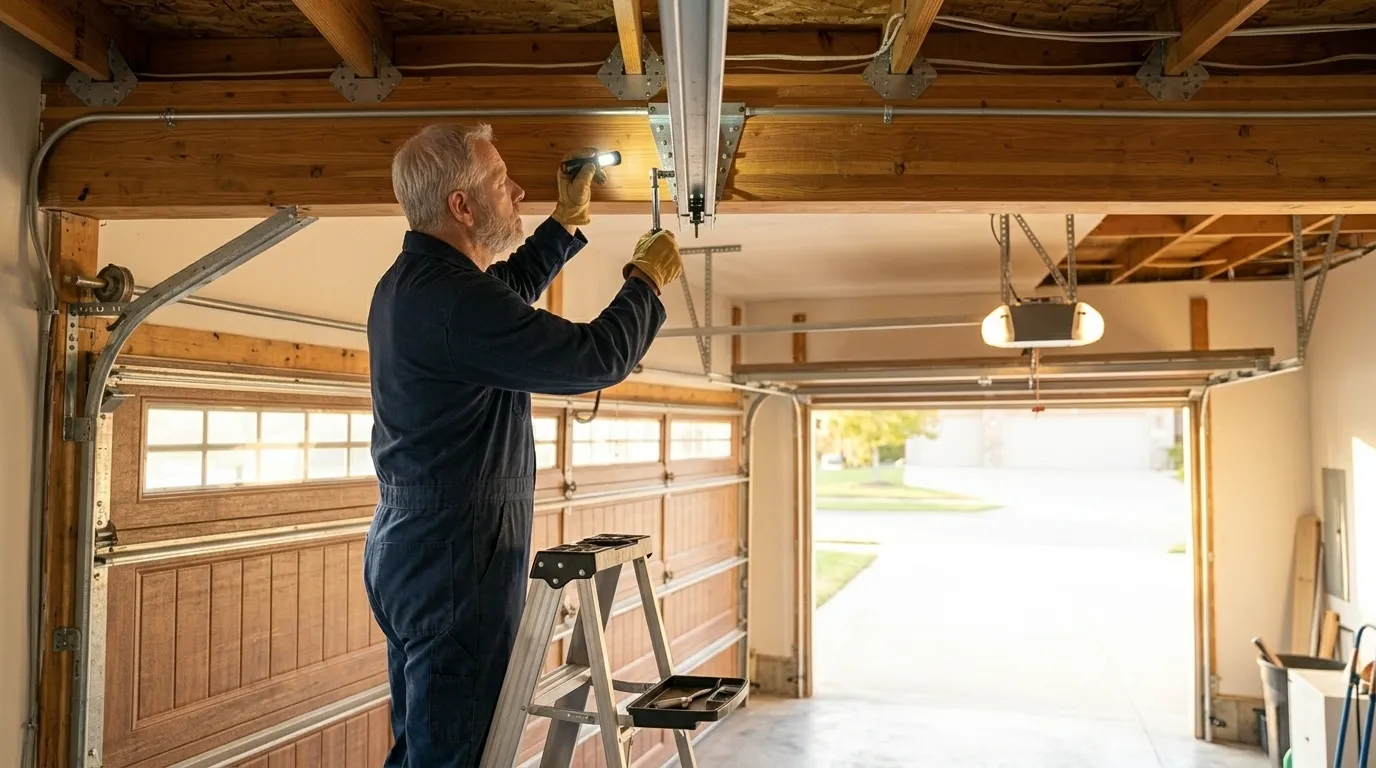
The most common mistake is treating every older door the same. A house built in the 1960s or 70s stock that makes up most of this area often has a torsion spring system sized for a lighter panel than what's on it now, especially if a prior owner swapped in a heavier insulated door without upgrading the spring. People assume a stuck door means the opener is dying, when it's usually the spring or a bent track underneath doing the work.
The other mistake is assuming replacement is always the safer bet financially. With median household income here over six figures, some owners default to full replacement without checking whether the original frame and track are still sound.
If the structure is good and it's just the moving parts that failed, fixing those parts costs a fraction of a new door and opener setup. We'd rather size a new spring correctly for the door you have than sell you a system you don't need.
What Is Going On
Housing across this area was mostly built between 1938 and 1995, with the bulk of it landing in the 1960s and 70s. That means a lot of garage doors and their original hardware are well past the point where springs are rated to last. Torsion springs are typically rated by cycle count, and a door installed when a house was built in that window has had a long time to wear that count down, even with normal use.
On top of age, doors from that era are frequently single-layer steel or wood panel construction, not the insulated multi-layer doors sold now. That doesn't make them bad doors.
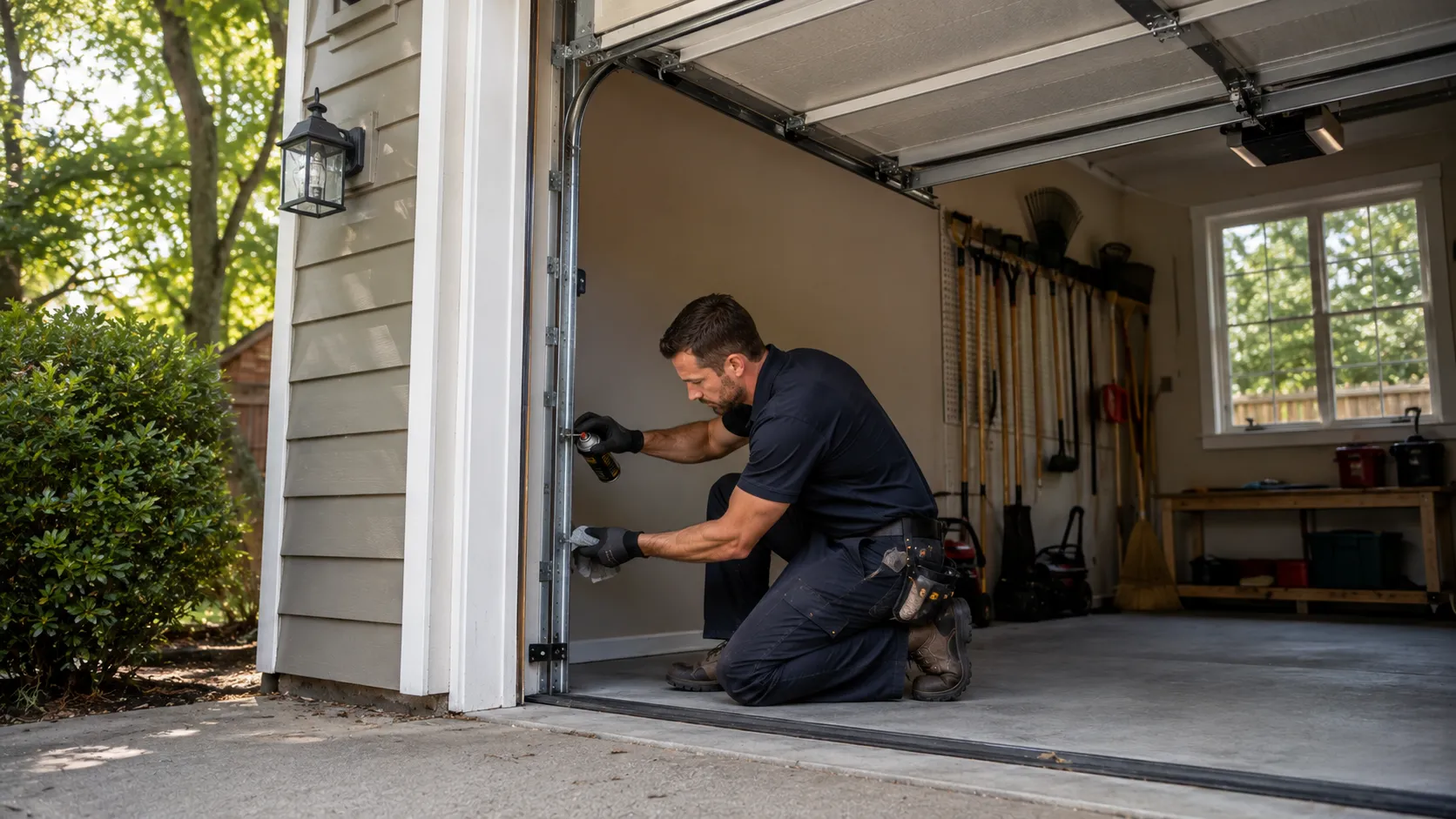
It means the track alignment and roller wear show up differently, and a repair tech needs to know what era of hardware they're looking at before they start pulling springs. A 1960s track bracket doesn't bolt up the same way a 2015 one does.
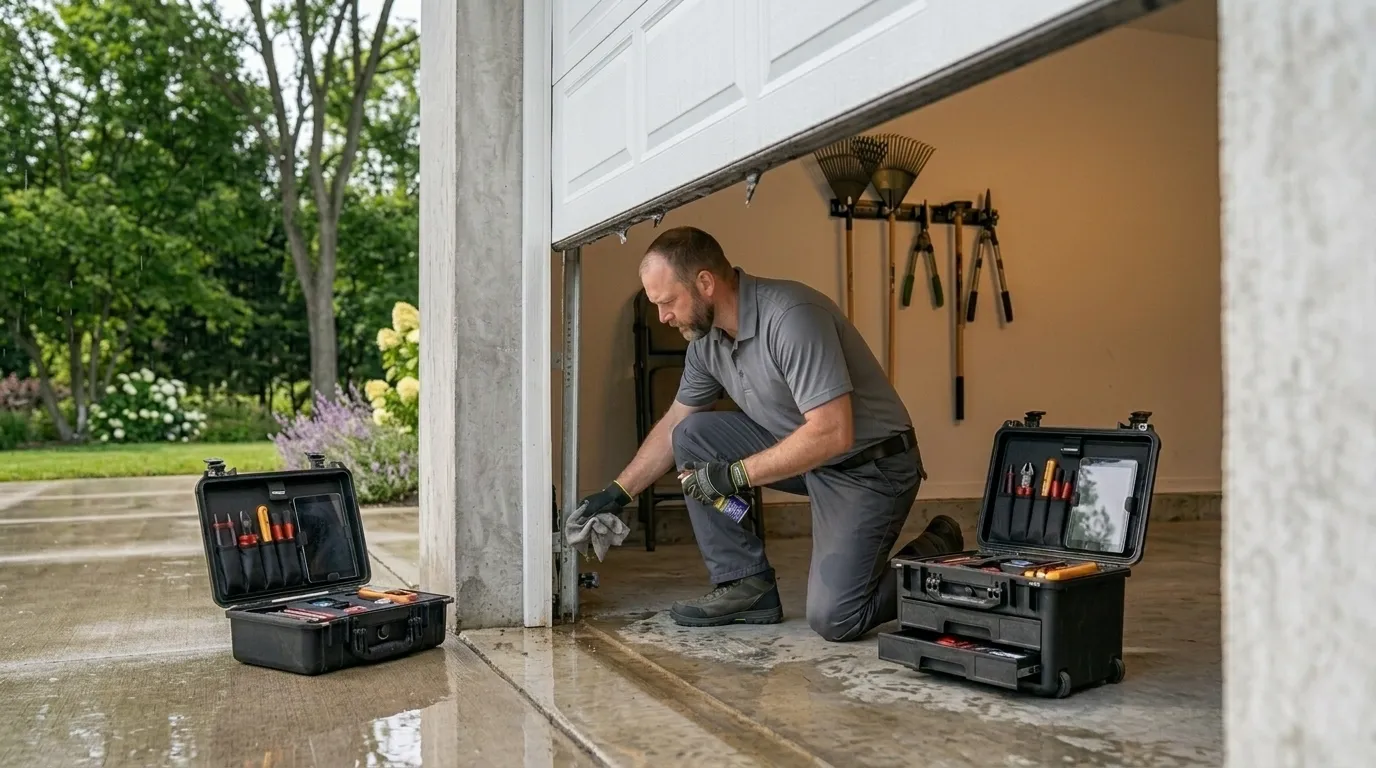
What Local Conditions Do
This area sits in a mild temperate climate band, without the extreme heat swings or damp that wreck garage door hardware in other parts of the country. That's actually the reason so many original doors and springs from the 1960s and 70s stock have lasted this long at all. Steel doesn't rust out here the way it does somewhere with real humidity, and wood panels don't warp from freeze-thaw cycles because there isn't one.
What that means for you: if your door's structure and panels are still straight and rust-free after fifty-plus years, the climate did you a favor, and the door is very likely worth fixing rather than replacing. The failures we see are almost always mechanical wear, not weather damage, which is a repair problem, not a rebuild problem. That's different advice than we'd give in a place with harsh winters or salt air, where the panels themselves usually give out first.
How We Can Help
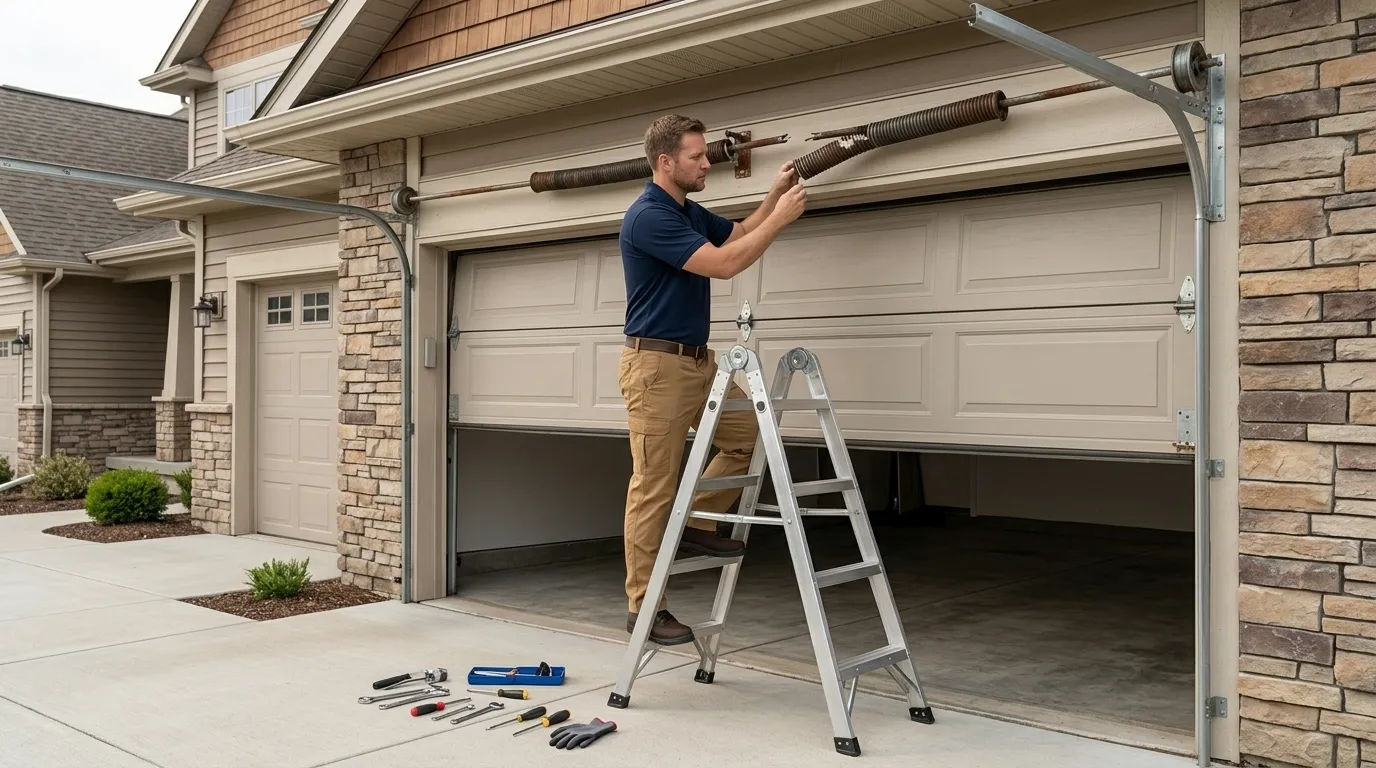
Garage Door Repair
Springs, cables, tracks, rollers, and openers fixed by a tech who explains the problem before touching anything.
Learn more →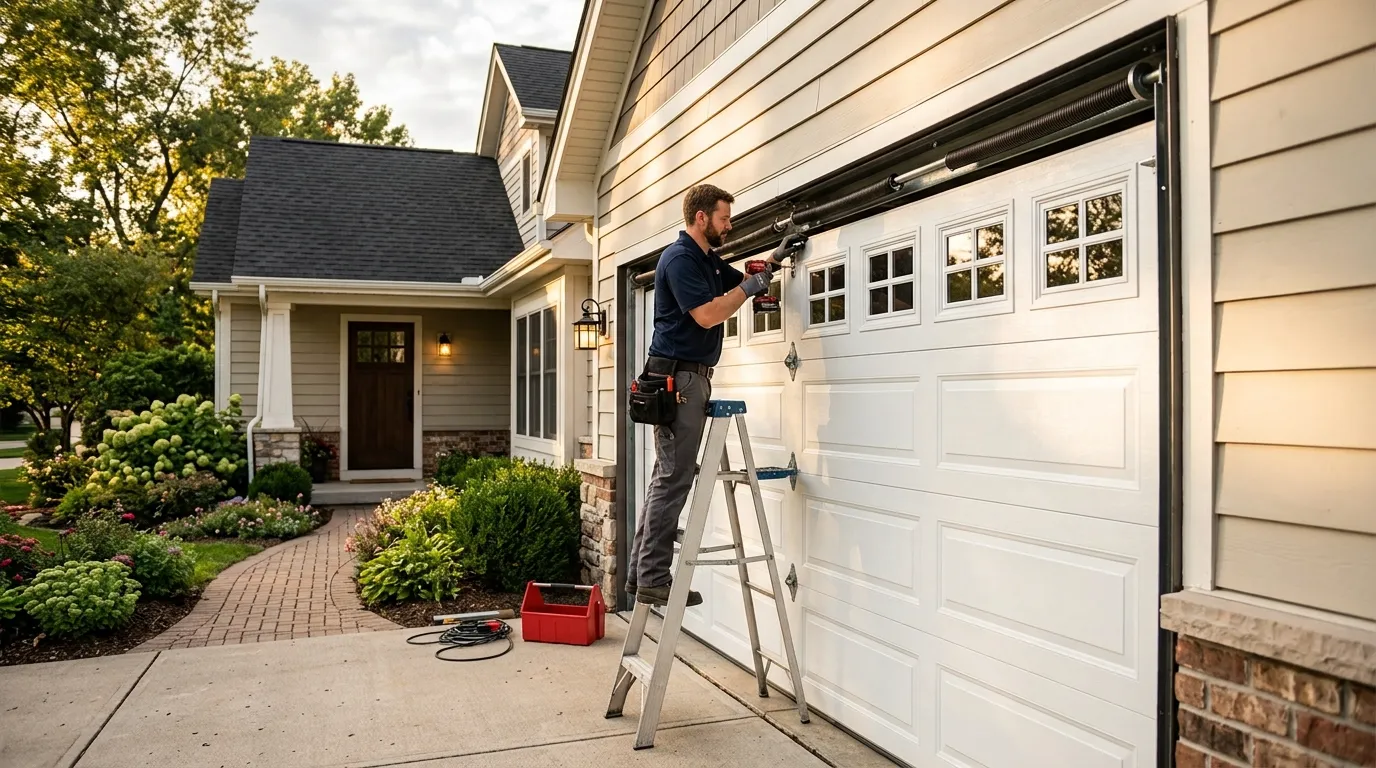
Garage Door Installation
New sectional doors sized and installed for the housing stock actually built in this area.
Learn more →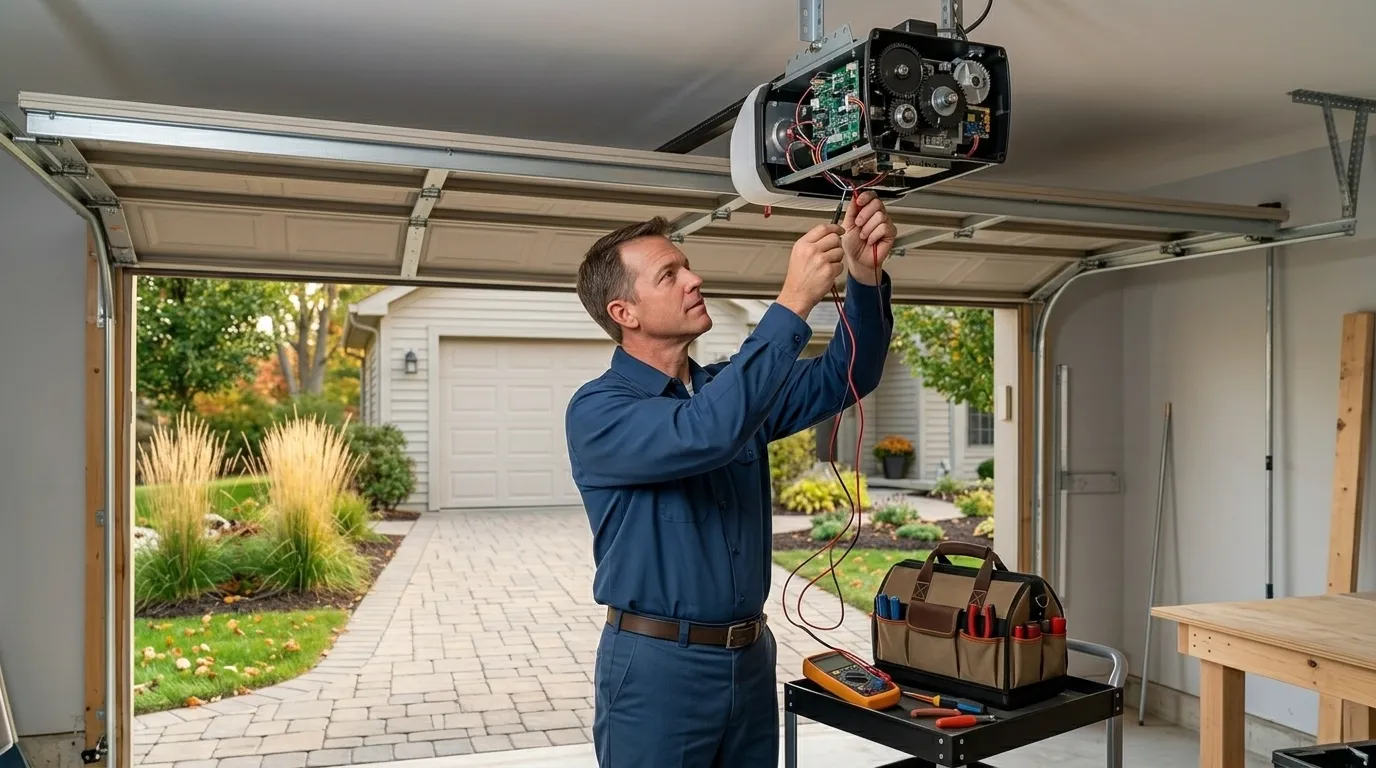
Garage Door Service
Tune-ups, lubrication, and safety checks that catch a small problem before it becomes a service call.
Learn more →Frequently Asked Questions
My house was built in the 1960s. Is the garage door original?
It's possible. A lot of housing in this area dates to the 1960s and 70s, and if no one's mentioned replacing the door, there's a real chance the panels and track are original. Original doesn't mean broken. Check for rust, warping, and how smoothly it travels before assuming it needs to go.
Should I replace the opener along with the door?
Not automatically. If the opener is running fine and the door problem is a spring, cable, or roller issue, there's no reason to replace a working opener. We only recommend swapping it if the motor's been straining against a bad spring for a while, which can shorten its life.
How do I know if it's the spring or the opener?
If the door is heavy to lift by hand with the opener disconnected, that's the spring. If it lifts easily by hand but the opener struggles or makes noise without moving the door, that points to the opener or the drive gear. We can tell you which in a quick visit.
Is a mild climate actually good for garage doors?
Yes. Without deep freezes or heavy humidity, steel doors resist rust and wood doors resist warping far longer than they would in harsher climates. That's part of why doors installed decades ago in this area are often still structurally sound even when the hardware needs work.
Have a Door That Needs a Second Opinion?
Call and describe what it is doing - we will tell you what it likely is.