
Nearby Community
Garage Door Work for Bellflower's 1960s Housing Stock
Serving Bellflower's 1966-median housing stock from 17 miles away in Orange, with spring, opener, and track repairs matched to original hardware and mild coastal weather.
- Licensed & Insured
- Same-Area Service Calls
- Upfront Pricing
This Area's Housing
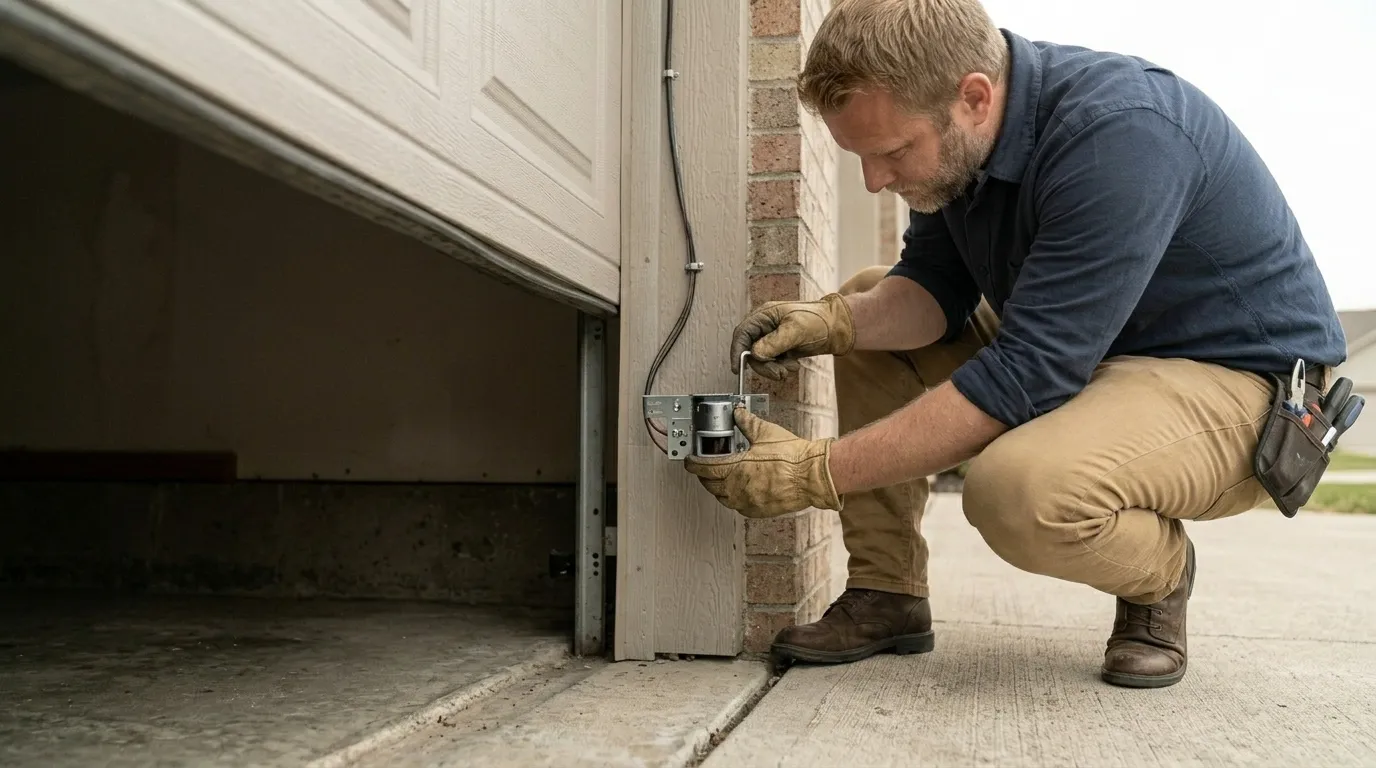
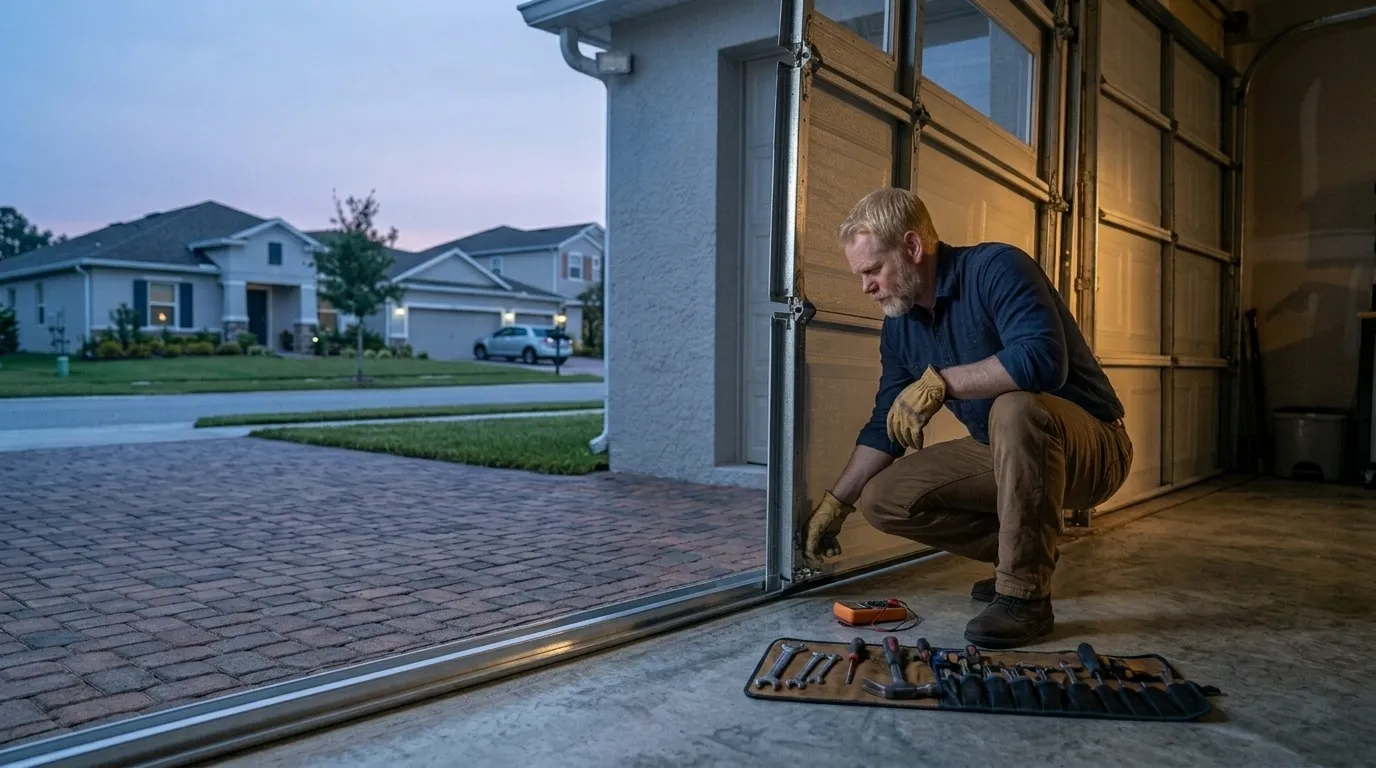
Bellflower's median home here dates to 1966, a couple years younger than the 1968 median across the wider service area we work in. That's a narrow gap, but it matters for garage doors, because a house built in the mid-60s almost always went up with the same single-piece slab door and side-mounted hardware, before torsion spring setups became standard on most tracts. Around 23,669 households sit in this pocket, smaller and tighter than the 555,881 households spread across the full area we cover out of Orange.
Median household income here runs about $77,602, noticeably under the $102,303 median for the broader service area. That income gap tends to show up in how repairs get handled - more owners here ask us to fix what's on the wall rather than replace it outright, and more of the doors we open have already been patched once or twice by a previous owner. None of this is a complaint.
It's just the pattern: older opener units, older spring types, and owners who want a straight answer on whether a part is worth saving before they spend money on it.
We drive out from Orange, about 17 miles, to work on these houses, so we see this vintage of door often enough to know what usually goes wrong first.
That's the starting point for everything else on this page.
How That Shows Up in the Door
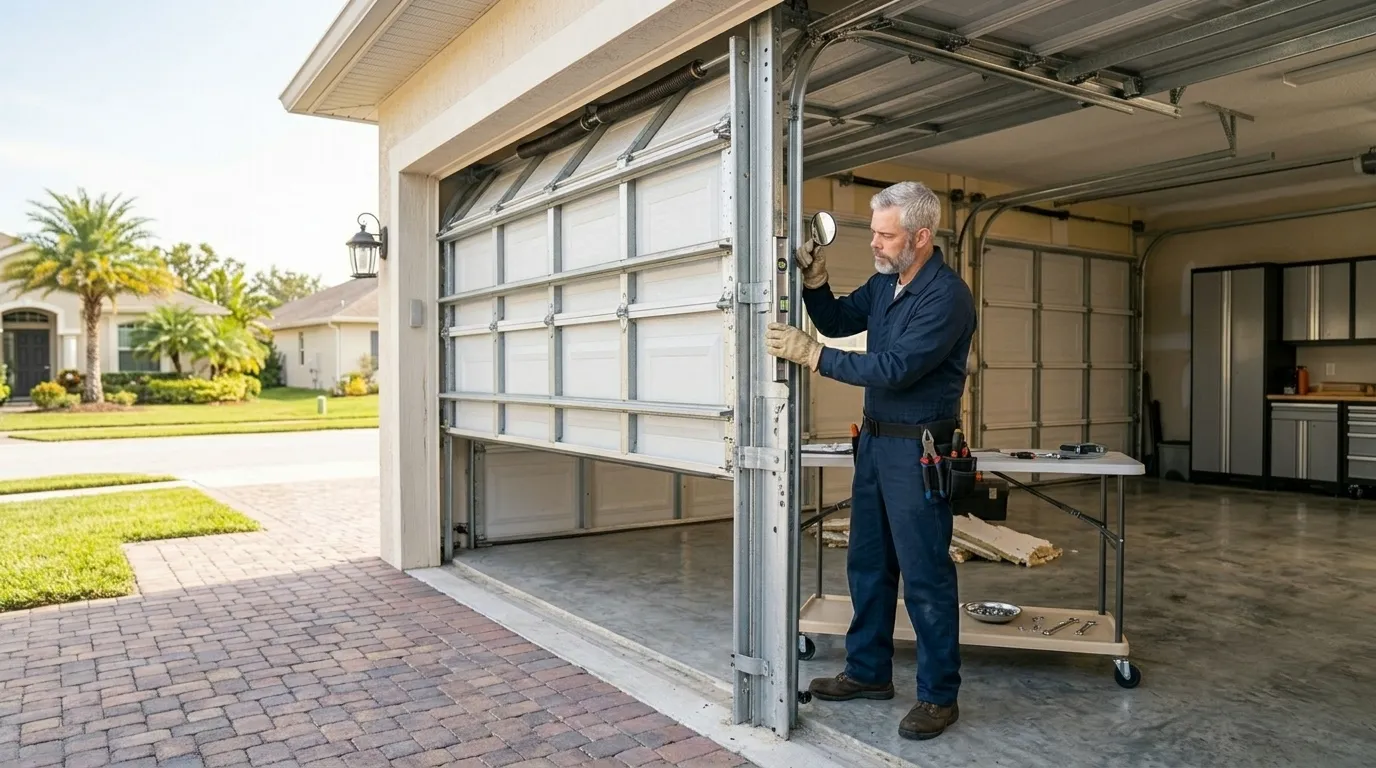
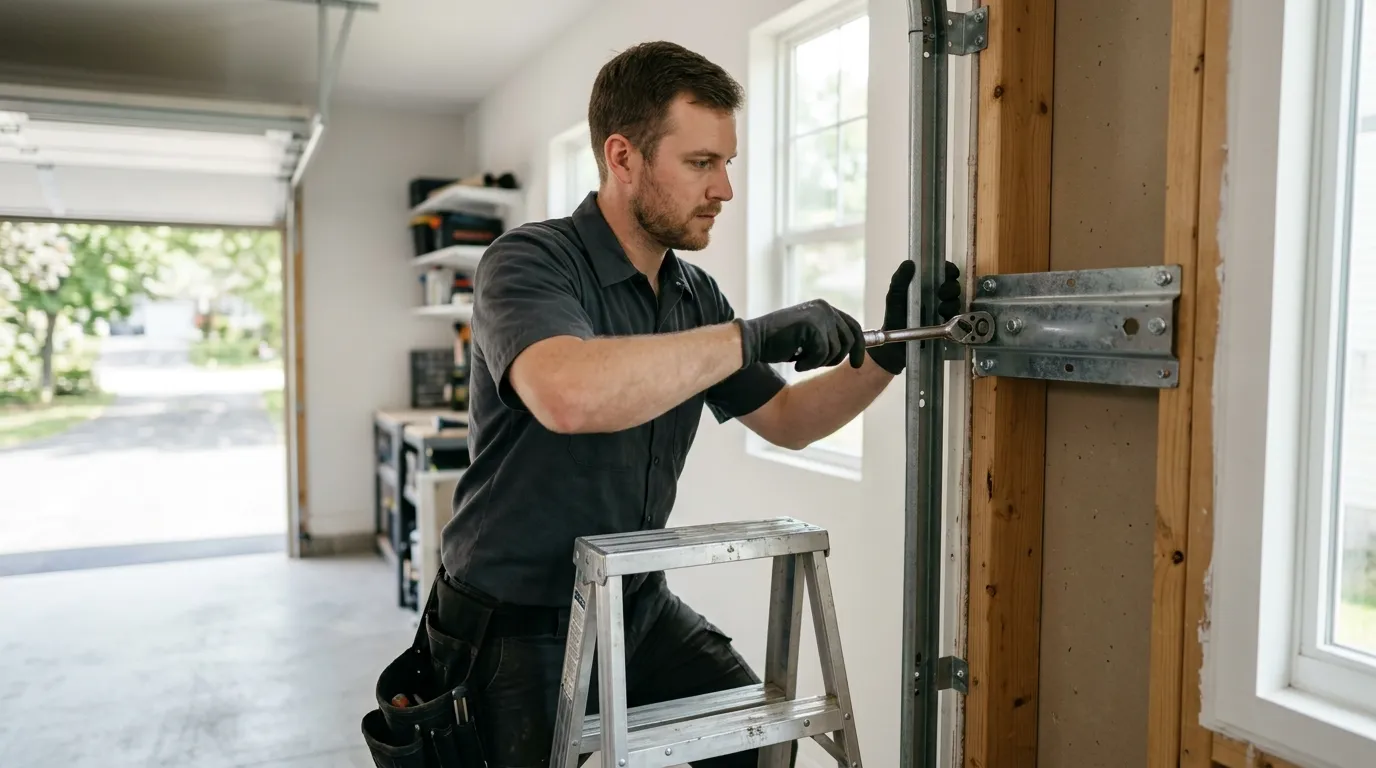
A door built to fit a 1966 opening doesn't always match the hardware sold today off the shelf. Original one-piece and early sectional doors from that era often ran on side-mounted torsion springs or extension springs bolted to the horizontal track, not the center-mounted torsion bar you'll find in most new installs. When one of those older extension springs fails, the fix isn't a straight swap - the track brackets, the drums, and sometimes the whole horizontal rail need attention to bring it up to something safe to run day to day.
We also see openers that have been replaced once already, usually a chain-drive unit bolted onto framing that was never built for a heavier belt-drive motor. That's a common call: the door itself is fine, but the opener is fighting hardware that's 20 or 30 years newer than the springs holding the door up.
The area sits in the mild temperate climate band that covers this whole region, so we're not chasing frost-cracked seals or snow-loaded panels here. The wear we see is steady and mechanical - rollers going dry, cables fraying, springs losing tension over decades of daily cycles - not weather damage. That's actually good news for a door this age: with the right parts, it's usually a repair job, not a teardown.
Old Streets and New Ones
Not every block here dates to the mid-60s build wave. Like most of the wider area, this pocket has a mix - older tracts standing next to houses that were rebuilt or added onto later, with newer garage doors bolted onto older framing, or vice versa.
That mismatch is worth checking before you assume your door is original. A steel sectional door installed in the last 15 years on a house built in 1966 behaves completely differently from the door that came with the house, even if the opening size is identical.
We don't have a breakdown of exactly which blocks skew older versus newer within this pocket - that's a level of detail we don't have solid numbers on, so we won't guess at it. What we can tell you is that when we get a call here, we ask the age of the door itself, not just the house, before we quote anything. A homeowner who assumes their door matches their house's build year is sometimes right and sometimes off by twenty years, and that changes which springs, which drums, and which opener brackets we bring on the truck.
The Usual Work Here
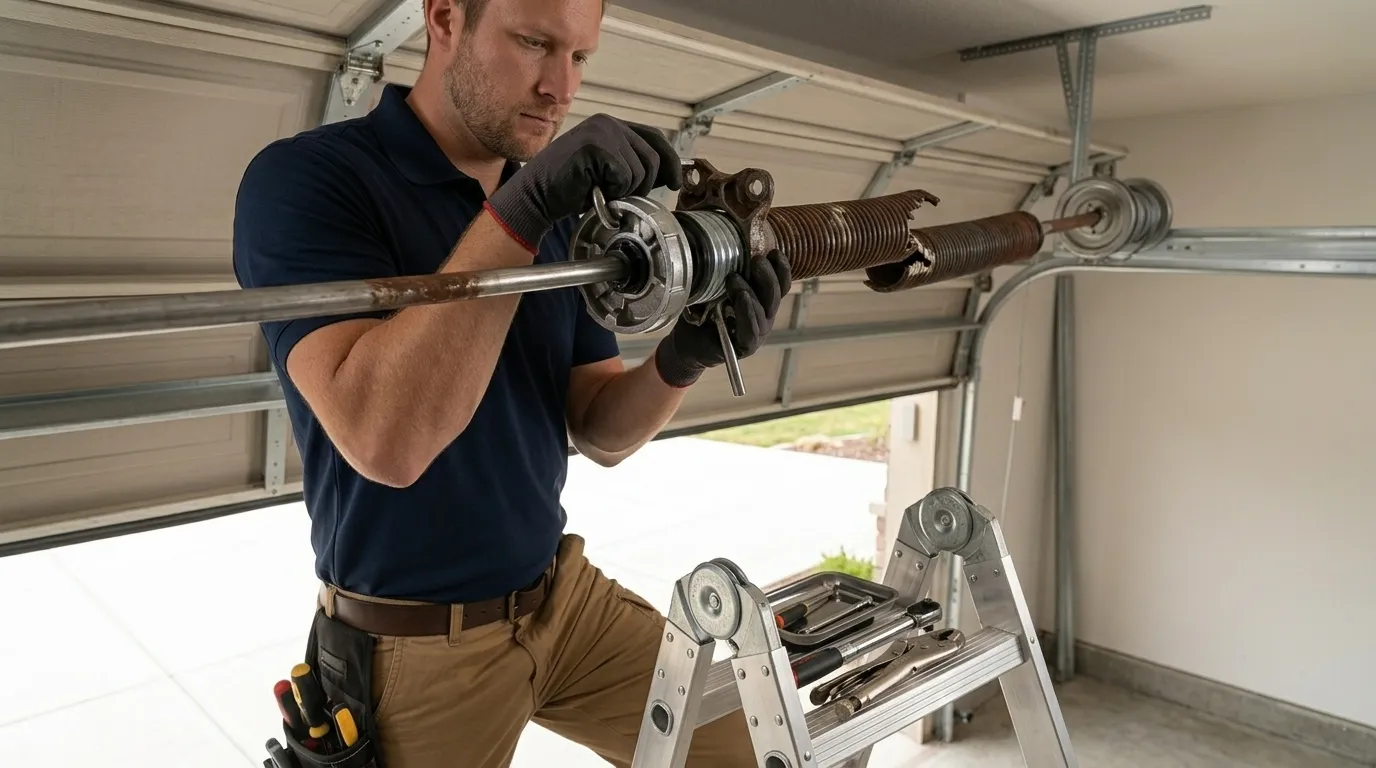
Most calls we take in this pocket break down into a short list: broken torsion or extension springs on doors from the 1960s stock, worn rollers and hinges on doors that have never been serviced, and opener replacements where the motor has outlived the drive belt or chain it came with. Cable fraying on older extension-spring setups is common enough that we check it every visit, even if that's not why the call came in.
Here's the honest limitation: some of the original hardware from this era - specific drum sizes, older extension spring lengths, certain bracket styles - isn't something every supplier stocks anymore. When we run into that, we tell you straight, and sometimes the practical fix is a modern torsion conversion rather than trying to match a 60-year-old part exactly. We won't quote a same-day fix on a part that needs to be sourced, and we'd rather say that upfront than have you wait on a truck that shows up without what it needs.
We travel out from Orange for these calls, so we don't keep a local stock of parts sitting in this pocket - what's on the truck is what we bring, based on what you tell us about the door before we head out.
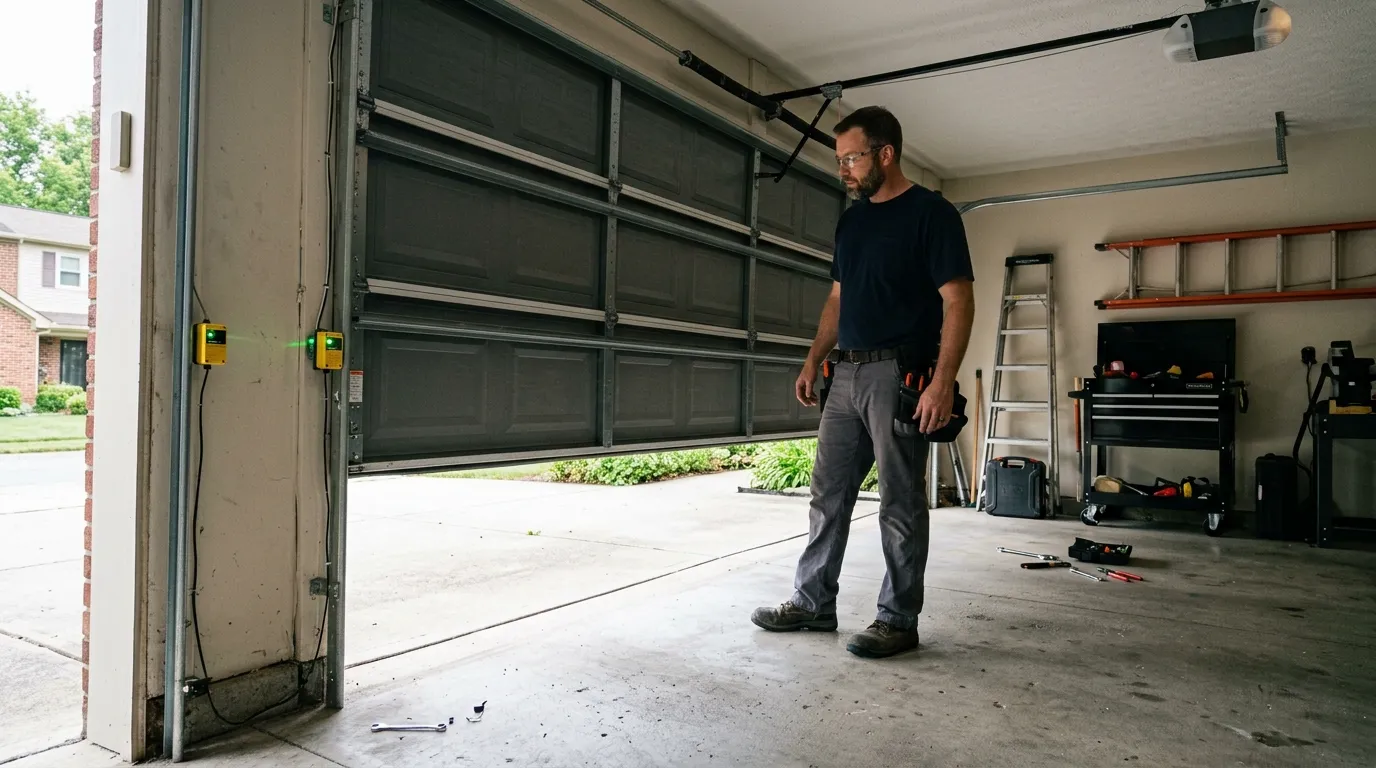
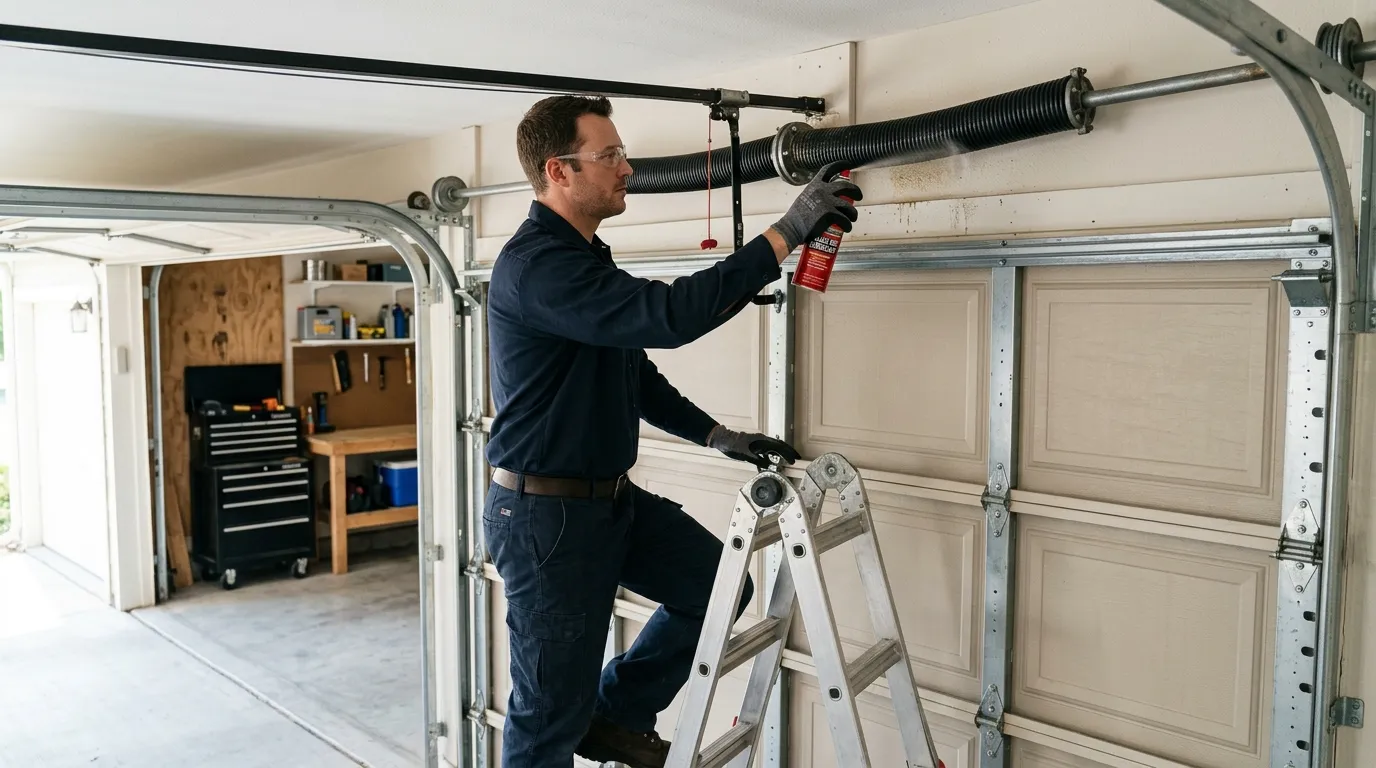
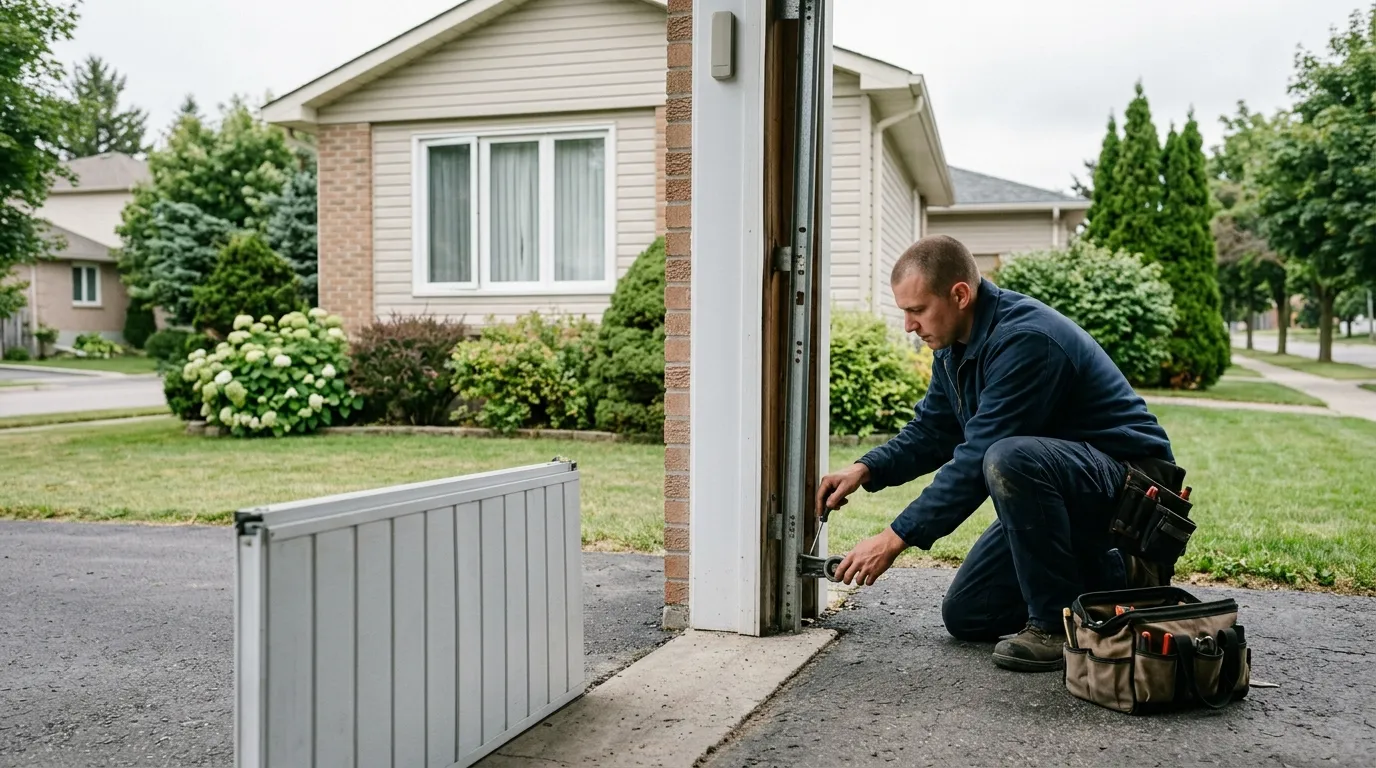
Recent Work Near Bellflower
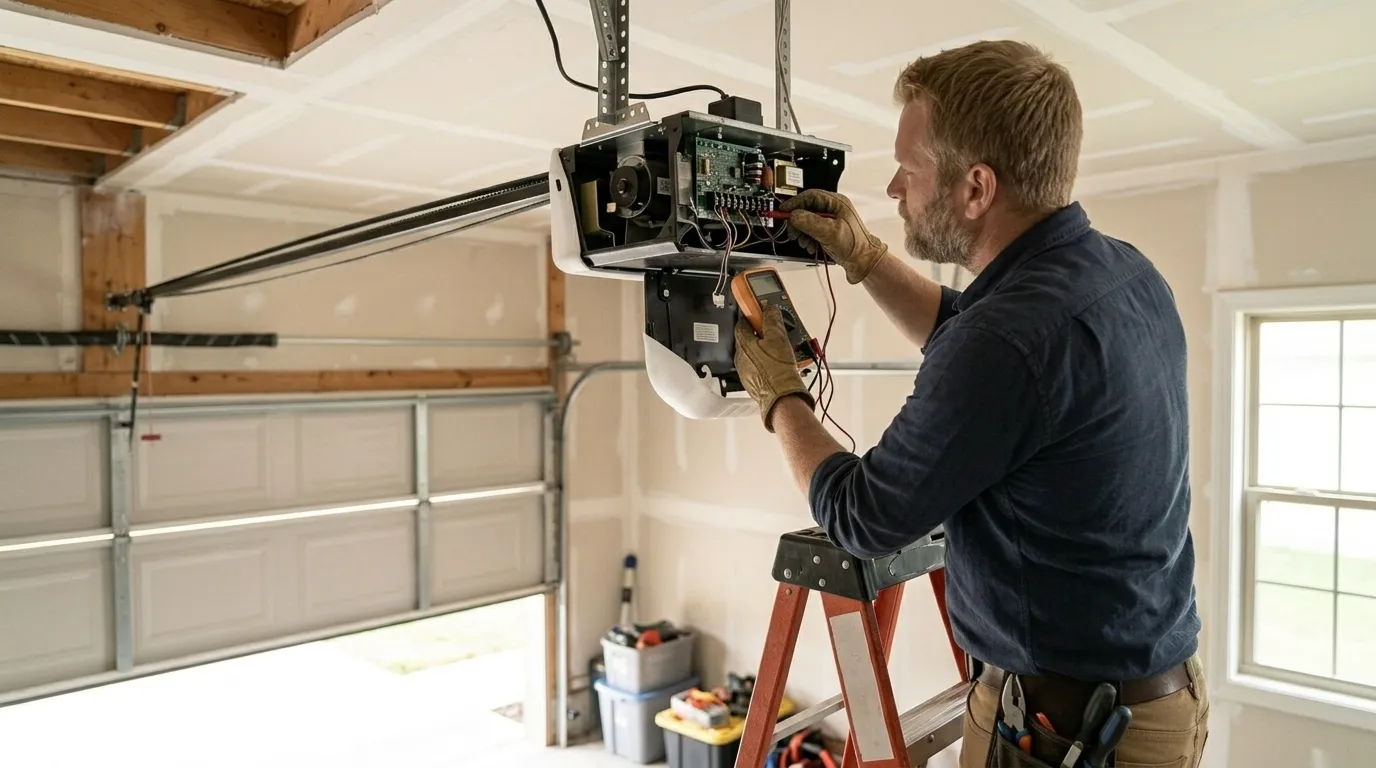
How We Can Help
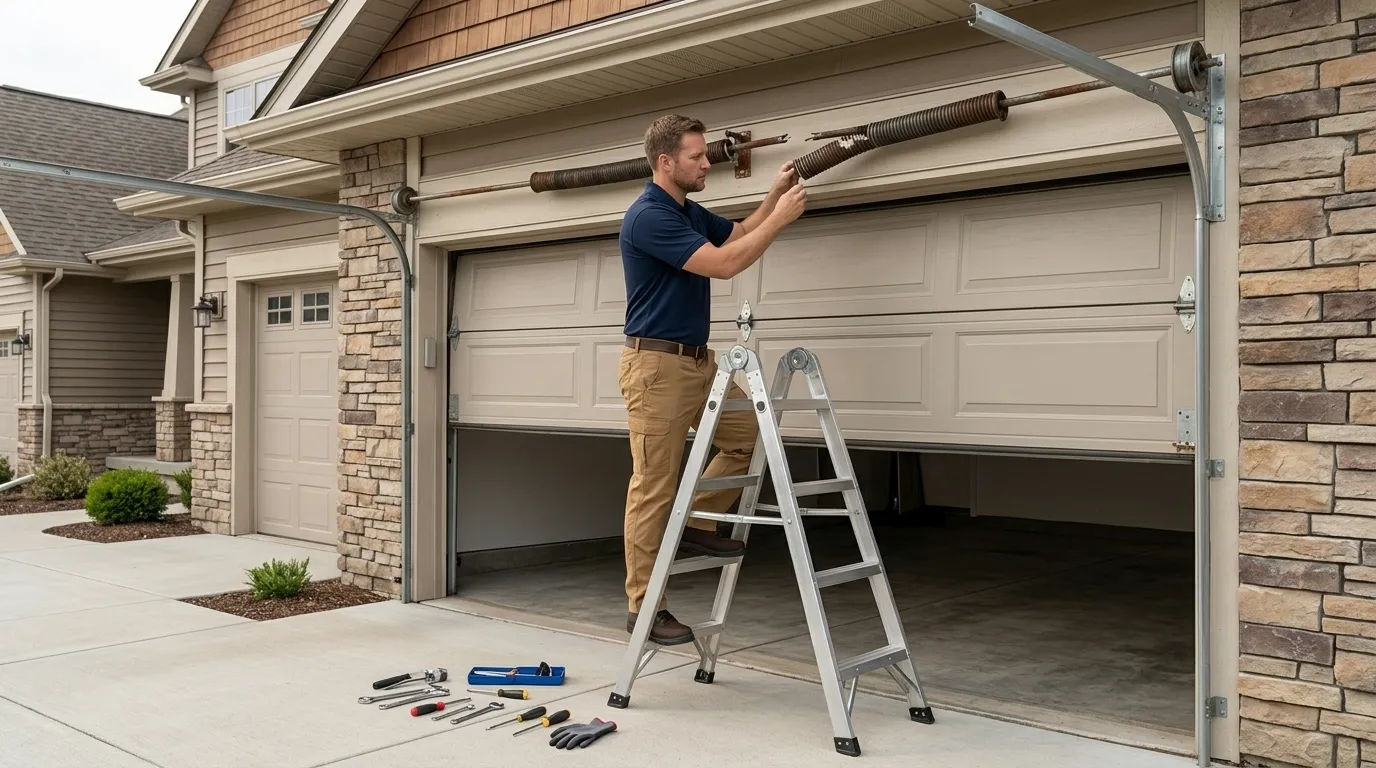
Garage Door Repair
Springs, cables, tracks, rollers, and openers fixed by a tech who explains the problem before touching anything.
Learn more →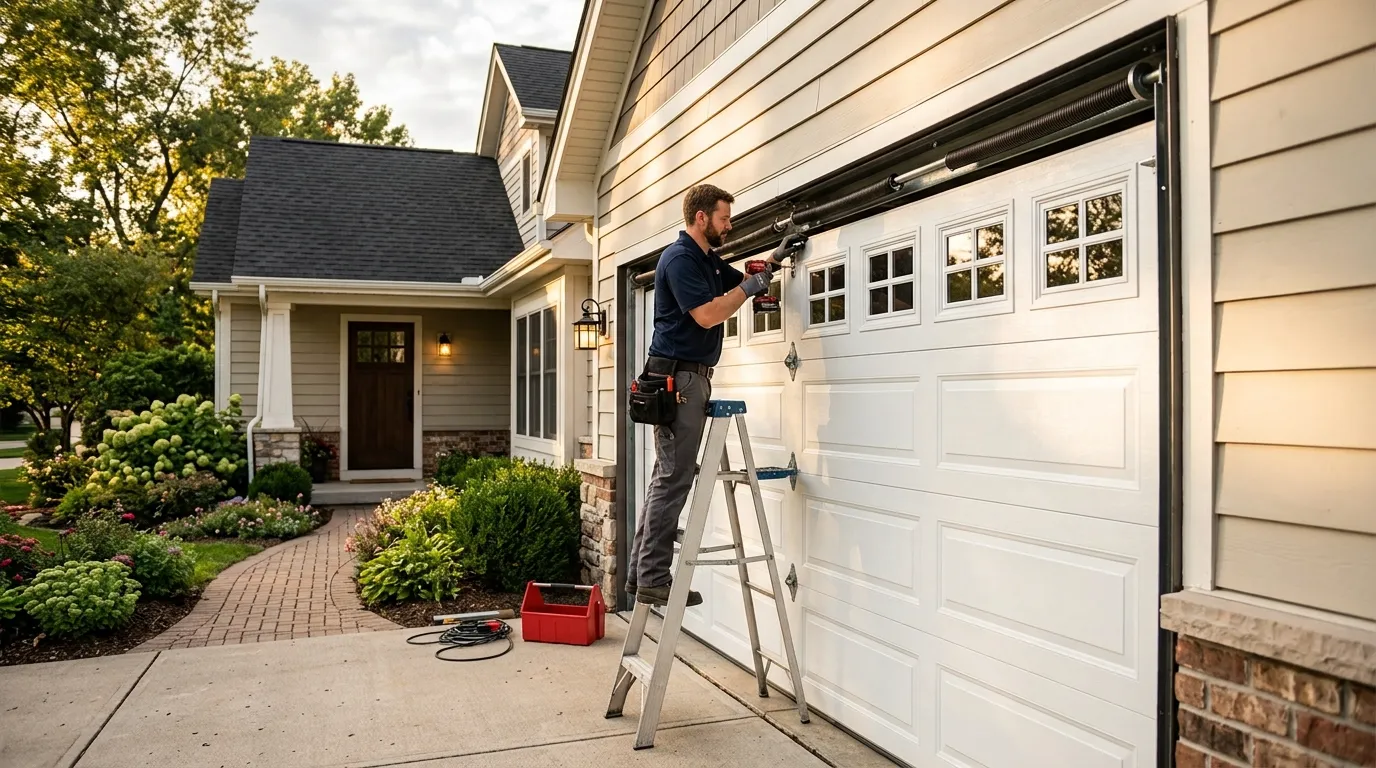
Garage Door Installation
New sectional doors sized and installed for the housing stock actually built in this area.
Learn more →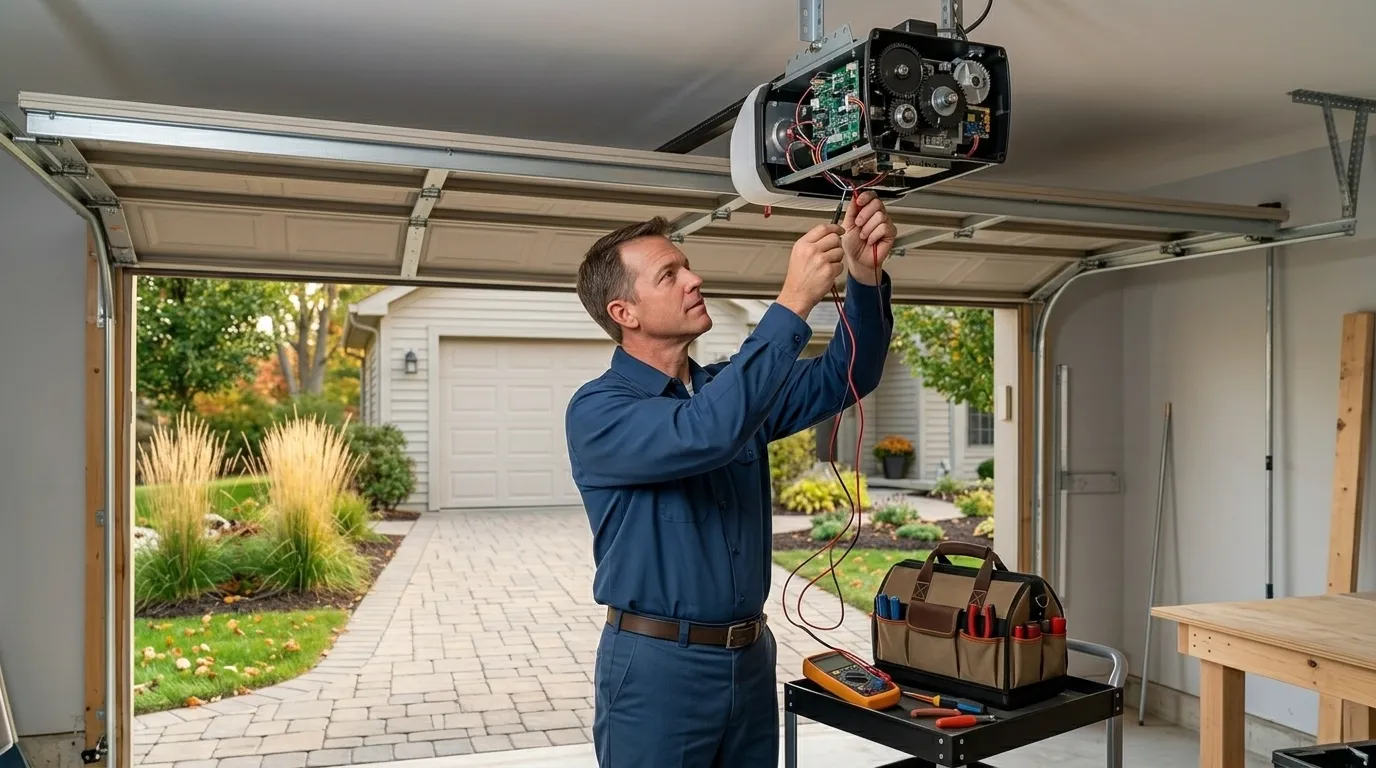
Garage Door Service
Tune-ups, lubrication, and safety checks that catch a small problem before it becomes a service call.
Learn more →What Happens When You Call
Call or Request a Quote
Tell us what the door is doing and roughly how old the house is - that alone points us toward the likely part before a truck leaves.
On-Site Diagnosis
A tech checks the spring, cables, tracks, and opener in person and tells you plainly what is actually wrong.
Straight Price, No Surprises
You get a number before any work starts. It covers parts and labor, nothing added after the fact.
Fixed the Same Visit
Most repairs are done in one trip. If a part needs sourcing, we tell you that upfront instead of guessing.
Frequently Asked Questions
Why does my garage door use different hardware than my neighbor's newer door?
If your house dates to the mid-1960s, it likely came with a side-mounted extension spring system rather than the center-mounted torsion bar common in newer installs. Neighbors with rebuilt or newer doors may have different hardware entirely, even on an identically-sized opening. Age of the door matters more than age of the house.
Do you keep a stock of parts near Bellflower?
No. We work out of Orange, about 17 miles away, and bring parts based on what you describe about your door before the visit. For common springs and rollers that's rarely an issue, but some older hardware specific to 1960s-era doors sometimes needs to be sourced rather than pulled off a shelf.
Is it worth repairing an original 1960s garage door instead of replacing it?
Often yes. The wear we typically see - dry rollers, frayed cables, tired springs - is mechanical, not structural, especially given the mild climate here. If the panel and frame are sound, a repair usually costs less than replacement. We'll tell you plainly if a part's hard to source before you commit to fixing it.
Get Your Door Fixed in Bellflower
Call now for same-area service.