
Orange Garage Door Guide
What a Service Call Actually Covers in Orange
See exactly what a garage door service call covers in Orange, CA - diagnosis, parts check, and adjustments suited to homes built mostly in the 1960s and 1970s.
- Licensed & Insured
- Same-Area Service Calls
- Upfront Pricing
When to Get Help
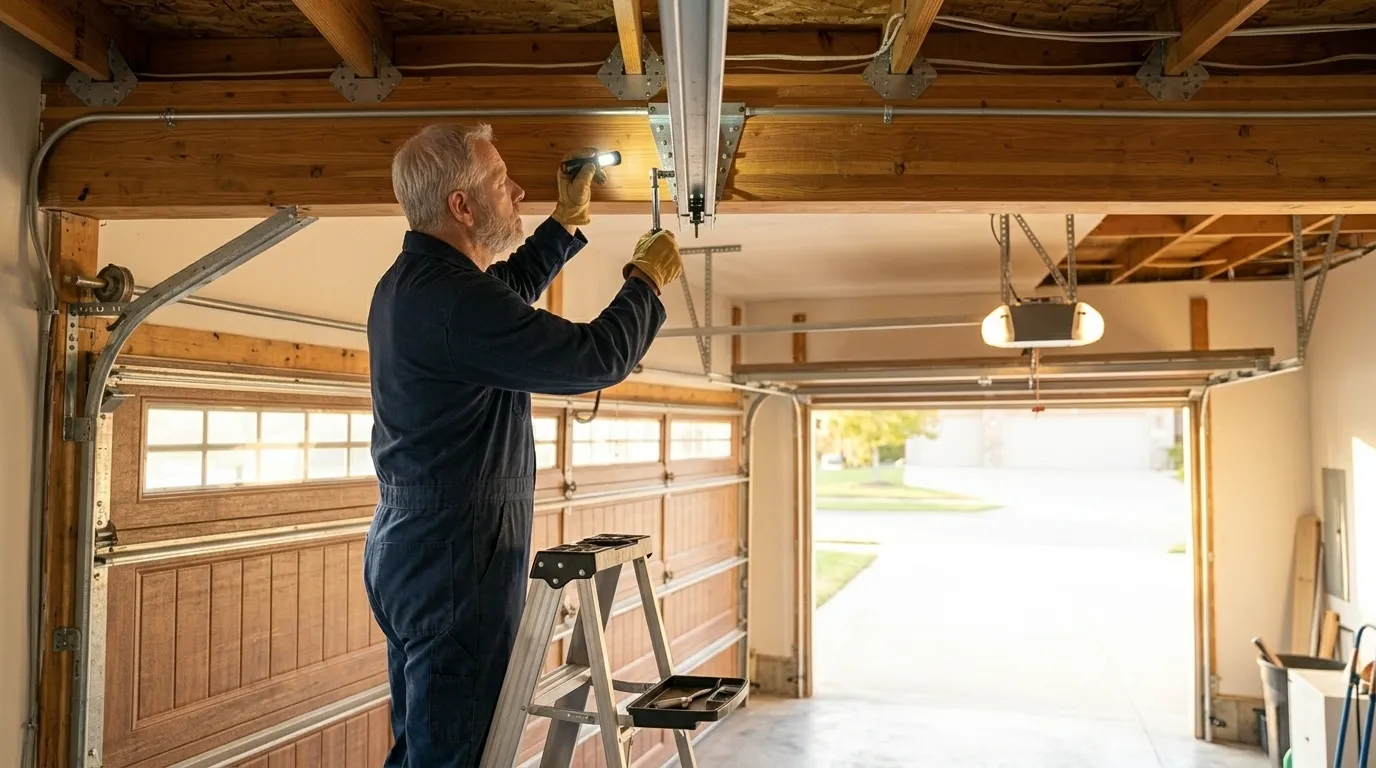
Most houses in this part of Orange went up between 1938 and 1995, with the median landing around 1968. That matters because a door that's been fine for decades doesn't fail gradually - it fails on a Tuesday, usually when a torsion spring finally gives out after tens of thousands of cycles. If the door won't open, opens crooked, or the opener runs but the door doesn't move, that's a call-now situation, not a wait-and-see one.
A spring under tension that snaps can take a finger with it, so we don't recommend DIY spring work on any door, especially the older torsion setups common in this age of housing stock. Smaller signs are worth a call too: a track that's started making a grinding sound, a remote that only works from six inches away, or a door that reverses itself for no reason. Those usually point to worn rollers, a misaligned track, or a safety sensor going bad - cheaper fixes now than after something breaks under load.
If your house is one of the older ones in the area, don't wait for total failure before getting eyes on the hardware.
What Most People Get Wrong
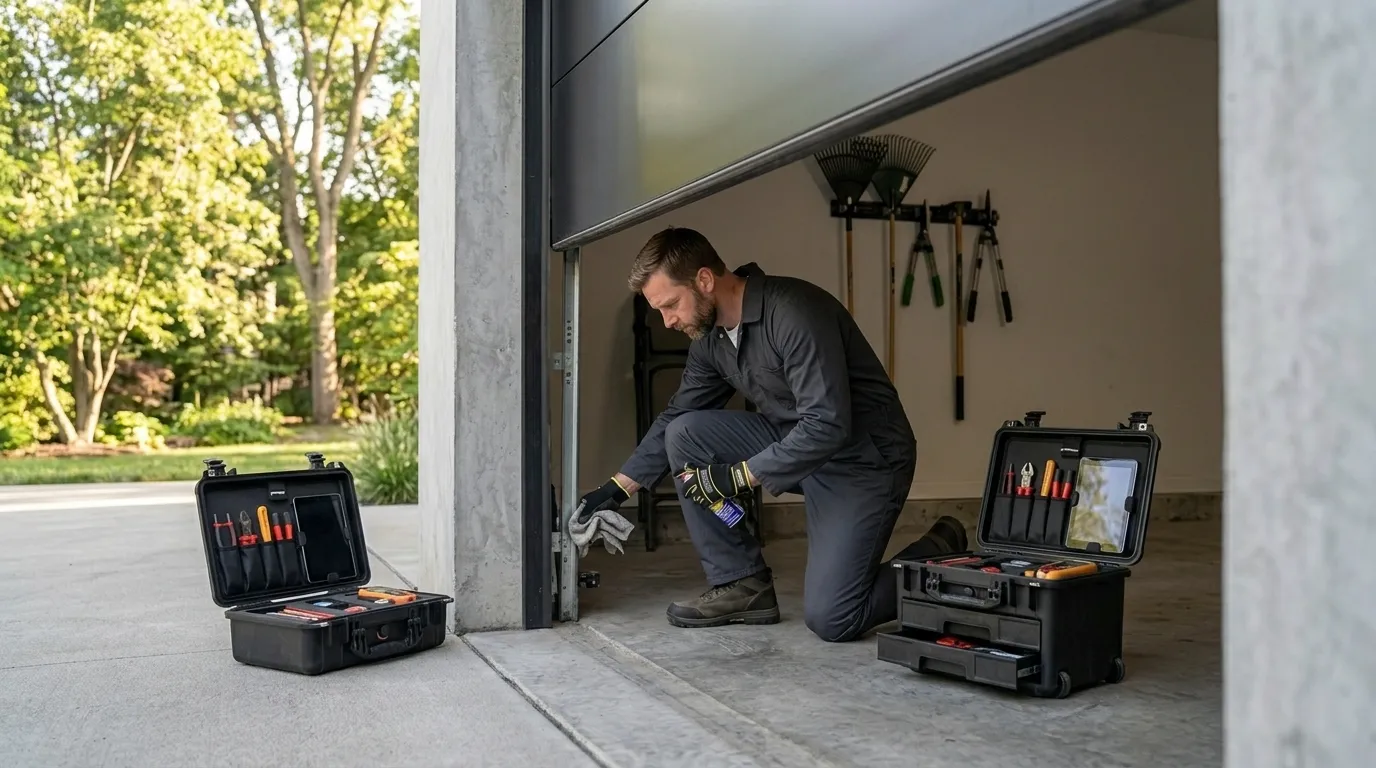
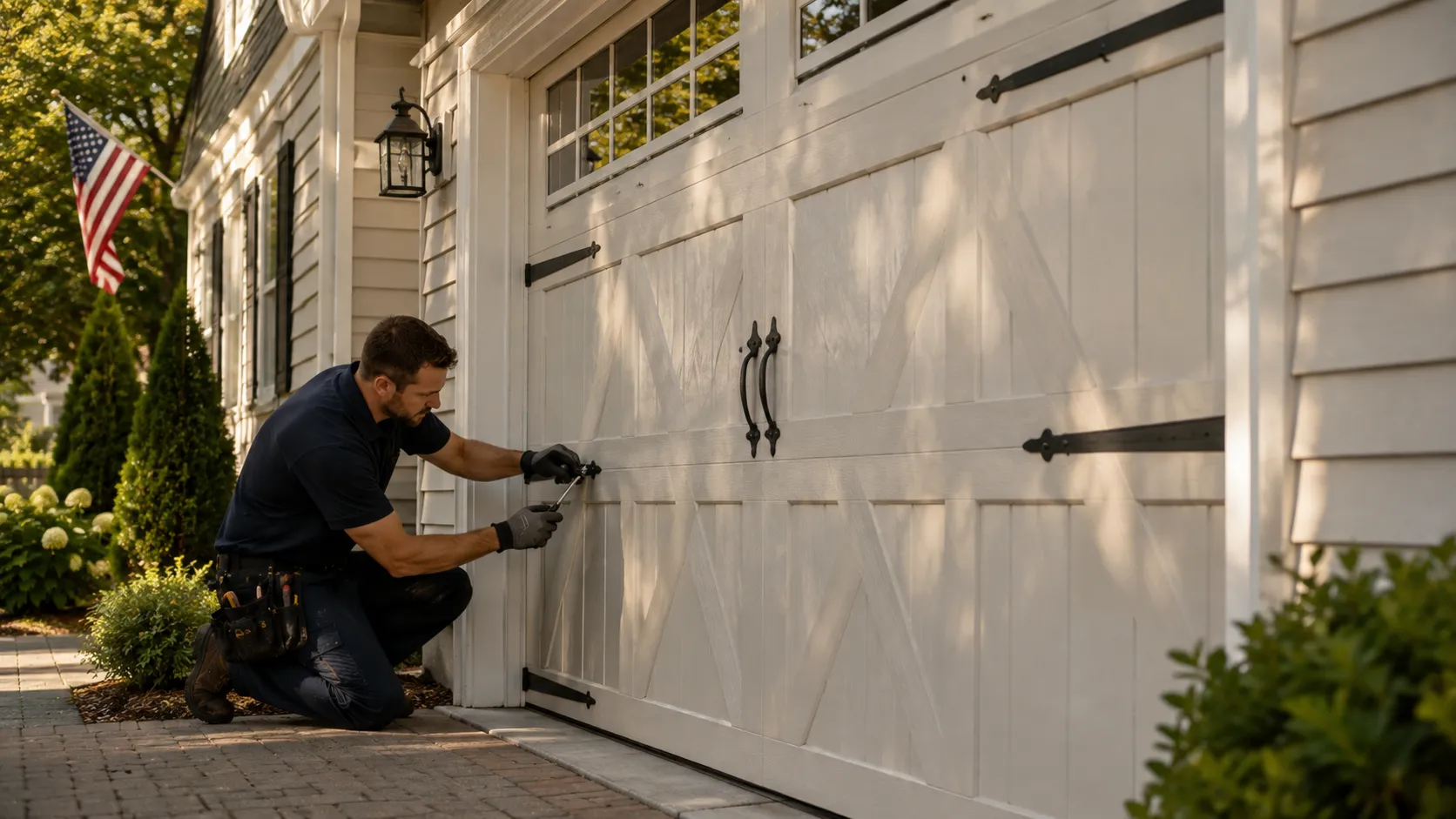
People call expecting us to swap one part and leave. A real service call is closer to a full diagnosis: we check spring tension, cable wear, track alignment, roller condition, and opener travel limits, because on a door built to 1960s or 70s spec, one worn part usually means two or three more are close behind. Replacing just the spring on a door with a bent track just moves the failure point somewhere else.
The honest limitation here: if your door or opener is old enough that parts are genuinely obsolete, we're not going to hunt down a discontinued panel to make cosmetic pieces match - at some point replacement is the straight answer, not a workaround. We'll tell you when that line has been crossed instead of running up a bill on a door that's done. Another common misread: people assume a noisy door means a bad opener.
Most of the time it's dry or worn rollers, not the motor. A service call sorts out which part is actually the problem before anything gets replaced, so you're not paying to fix the wrong thing twice.
What Is Going On
Across the 47 named areas that make up this service territory, the housing stock skews heavily toward 1960s and 70s construction, and that shapes what we find under the hood of most doors. A lot of these garages still run original-era torsion hardware - springs sized for door weights and spring wire specs that nobody stocks new anymore, so a repair sometimes means matching an equivalent rather than an exact replacement. Track spacing and headroom on these older setups can also be tighter than what current doors expect, which matters if you're upgrading rather than repairing.
Drive four miles out to Villa Park or North Tustin and you'll find the same era of hardware showing up in service calls there. Head about two miles northwest into the Platinum Triangle, though, and the construction date shifts newer, so the failure patterns look different - less original hardware fatigue, more issues tied to opener electronics and newer composite panels. Knowing which era a house falls into tells us what we're likely dealing with before we even open the panel.
What Local Conditions Do
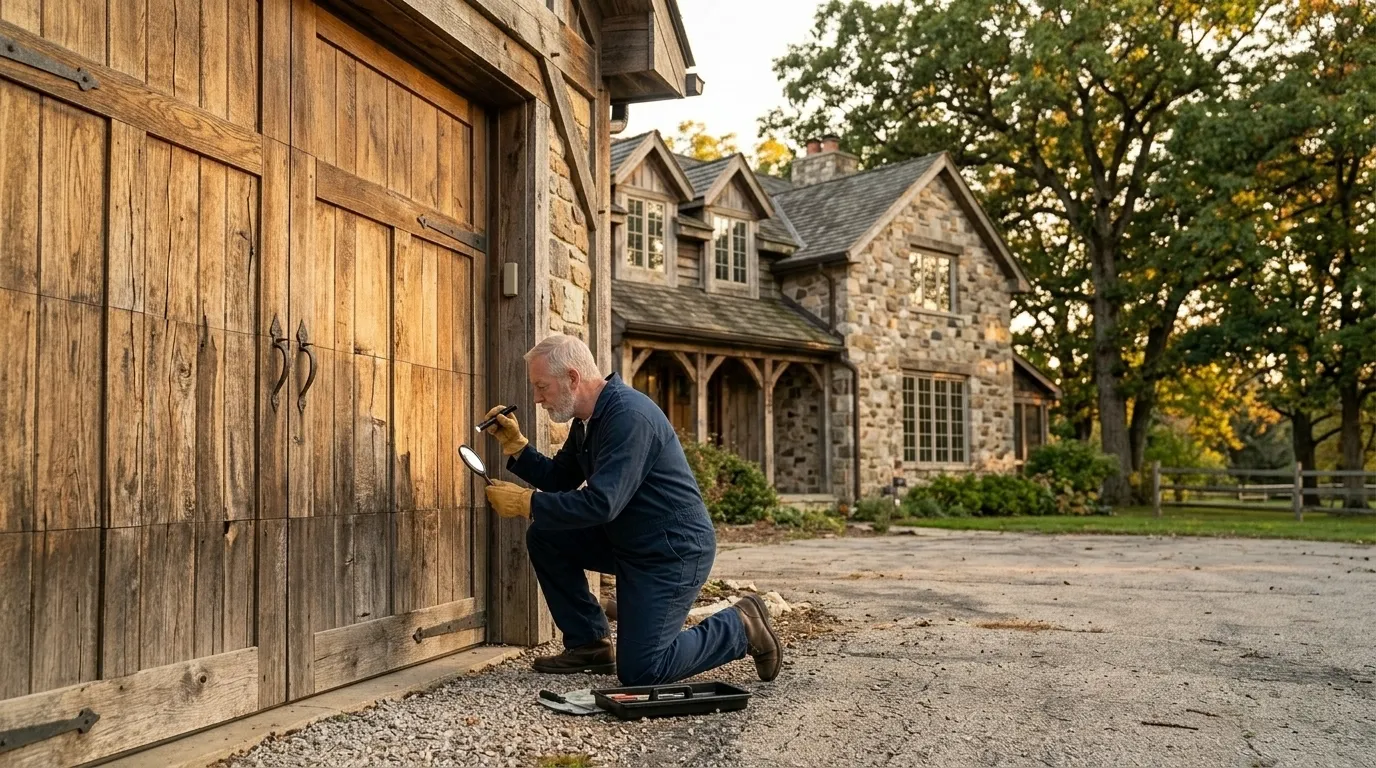
Orange sits in a mild temperate band, and that cuts both ways for garage doors. We're not fighting frozen tracks, snow-loaded panels, or the kind of freeze-thaw cycling that cracks concrete slabs and throws door alignment off in colder climates - that's one less thing on the list here. But mild doesn't mean nothing happens.
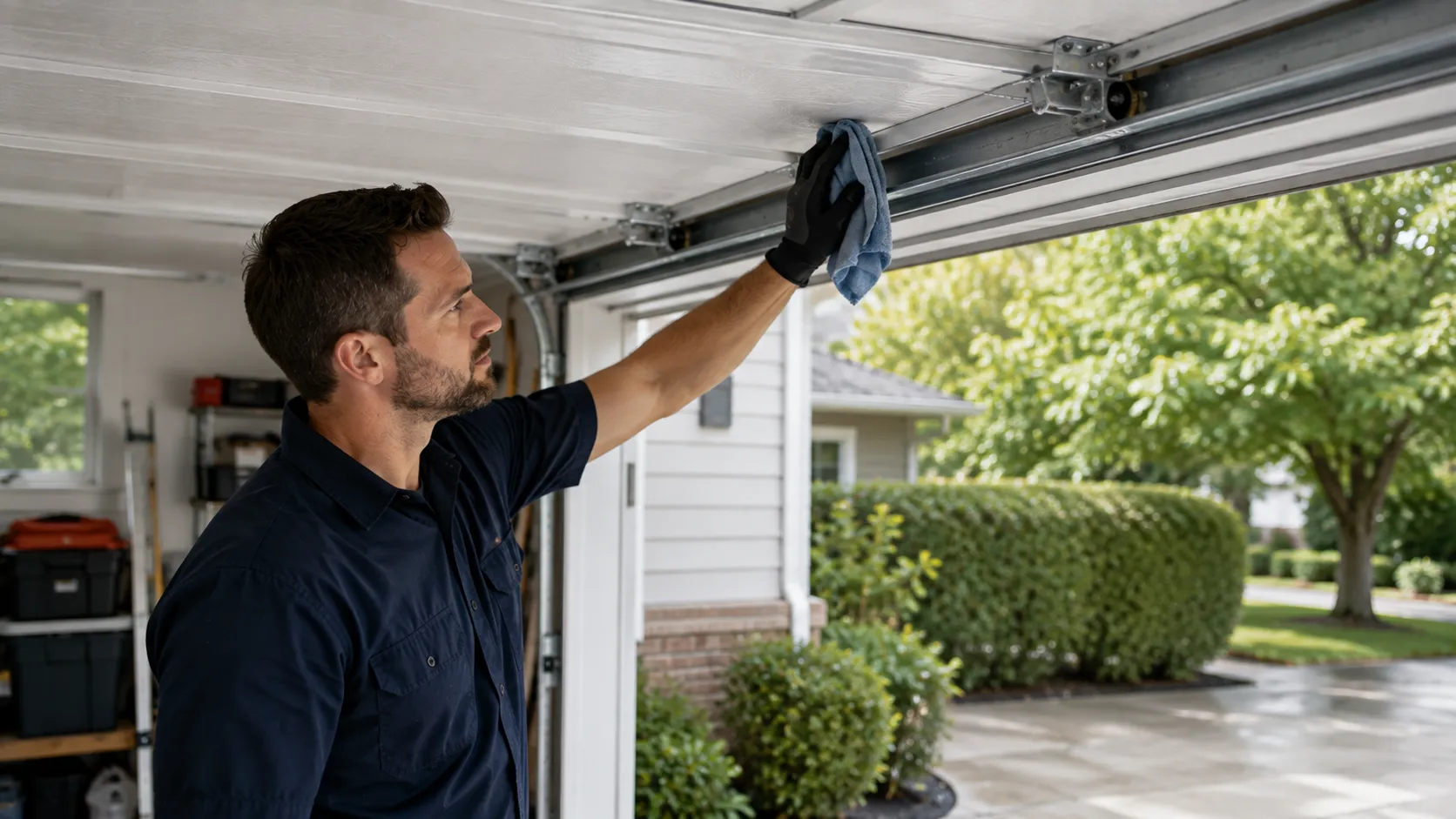
Steady dry heat and UV exposure still break down rubber weatherstripping and dry out factory lubrication faster than a description like 'mild' suggests, especially on doors that have been sitting since the 1960s or 70s with original seals. That shows up as a door that's slightly harder to lift than it used to be, or daylight creeping in around the bottom seal. It's a slower kind of wear than what extreme-climate regions deal with, which is part of why some of these original 1968-era door systems have lasted as long as they have - but slower wear still adds up, and it's usually the reason a decades-old torsion spring finally lets go without warning.
How We Can Help
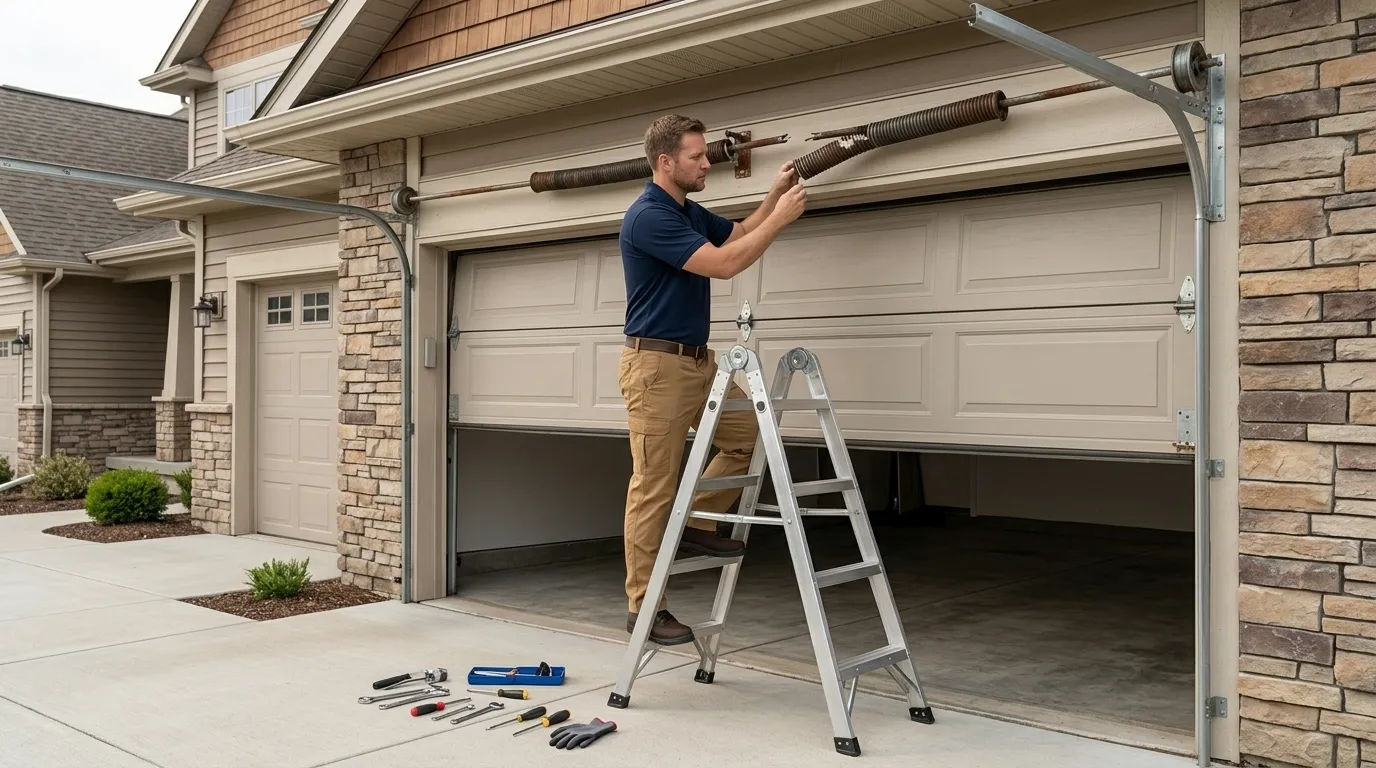
Garage Door Repair
Springs, cables, tracks, rollers, and openers fixed by a tech who explains the problem before touching anything.
Learn more →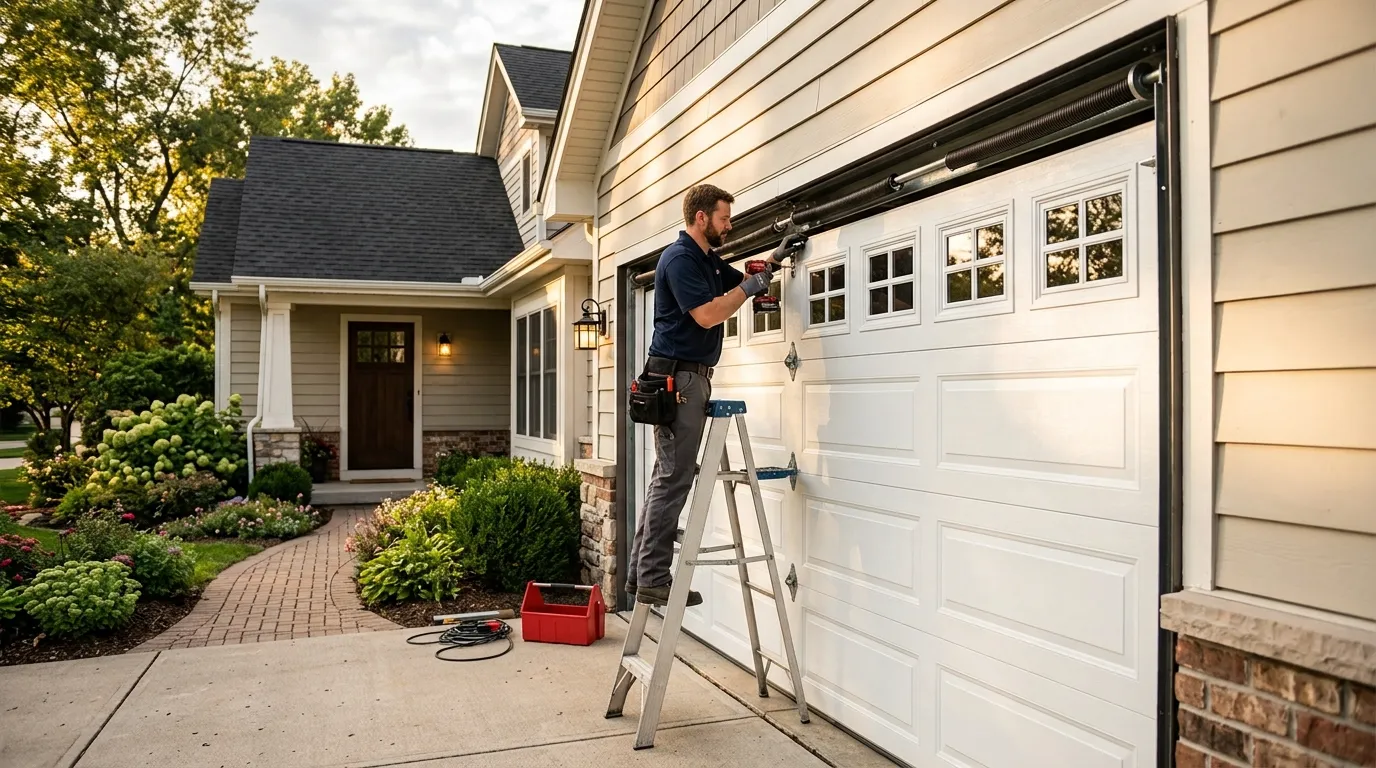
Garage Door Installation
New sectional doors sized and installed for the housing stock actually built in this area.
Learn more →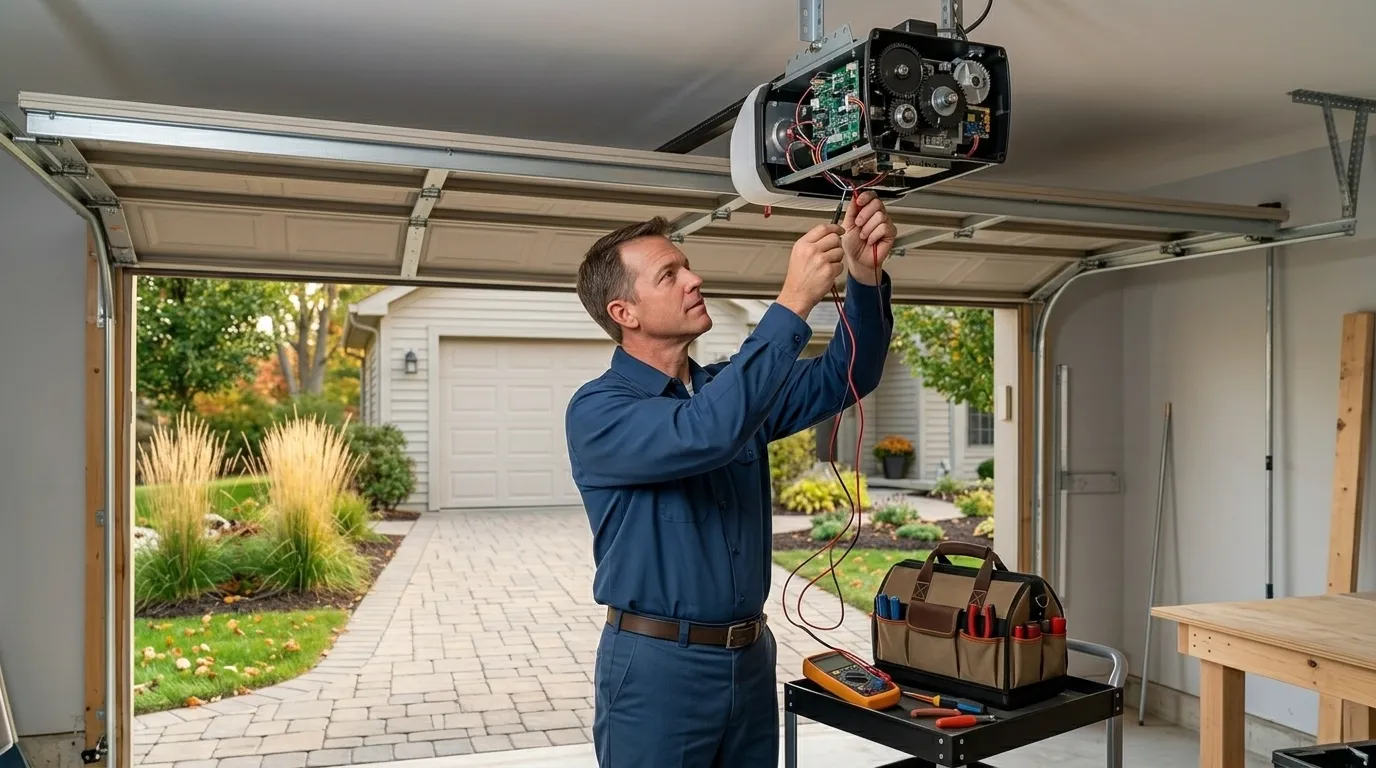
Garage Door Service
Tune-ups, lubrication, and safety checks that catch a small problem before it becomes a service call.
Learn more →Frequently Asked Questions
How do I know if it's the spring or the opener that's failing?
If the door is heavy to lift by hand, sags on one side, or the opener strains and makes a straining sound before stopping, that's usually a spring issue, not the motor. If the opener runs normally but the door doesn't move or reverses immediately, that's more likely the opener or a safety sensor. We check both during a service call to be sure.
Will you know what hardware fits my older door?
On houses built through the 1960s and 70s, original torsion hardware is common, and exact factory parts aren't always available anymore. We size an equivalent replacement based on your door's weight and spring specs rather than guessing, and we'll tell you upfront if a part is obsolete enough that replacement makes more sense than matching.
Does Orange's mild climate mean less maintenance is needed?
Less than a freeze-thaw climate, yes - you won't get track binding from ice or slab heaving from frost. But steady heat and UV still dry out seals and lubrication over time, so older doors still need periodic checks even without weather extremes driving the wear.
Have a Door That Needs a Second Opinion?
Call and describe what it is doing - we will tell you what it likely is.