
Orange Garage Door Guide
The Noises Your Garage Door Makes in Orange, and What They're Telling You
Orange homes built between 1938 and 1995 make specific noises as original hardware ages. Here's what grinding, popping, and squealing actually mean here.
- Licensed & Insured
- Same-Area Service Calls
- Upfront Pricing
When to Get Help
A door that groans once when it's cold and then runs quiet the rest of the day usually isn't an emergency. A door that gets louder every week is telling you something is wearing out, not just settling.
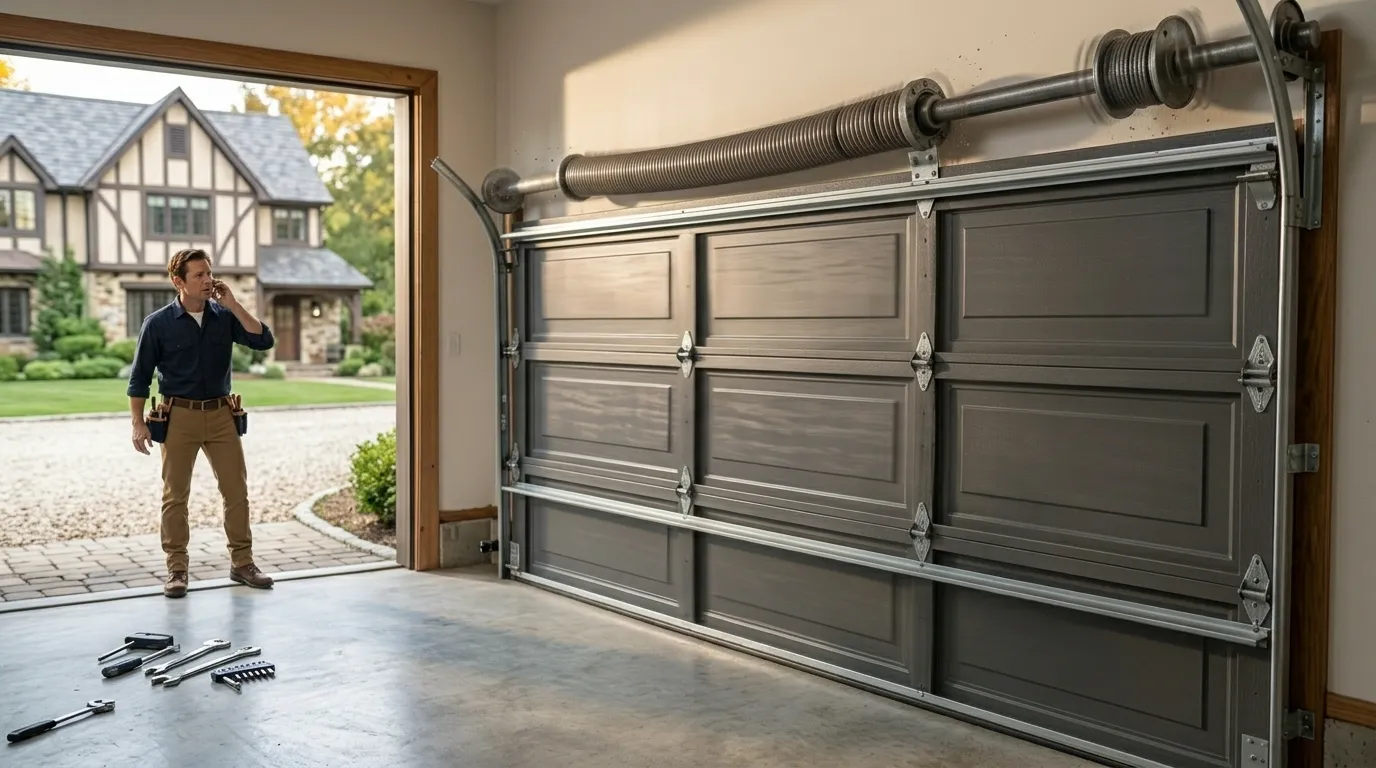
Call before the door stops instead of after. If you hear a sharp bang followed by the door sagging on one side, that's a cable or spring letting go - stop using the door and get it looked at, because a door held up by one spring instead of two will eventually fall. If you hear a rhythmic thunk once per rotation of the opener's chain or belt, that's usually a worn roller or a bent track, not the opener itself.
We won't tell you every noise needs a truck out that day. A dry squeal on a door that still opens smooth is a fifteen-minute lube job, not a service call.
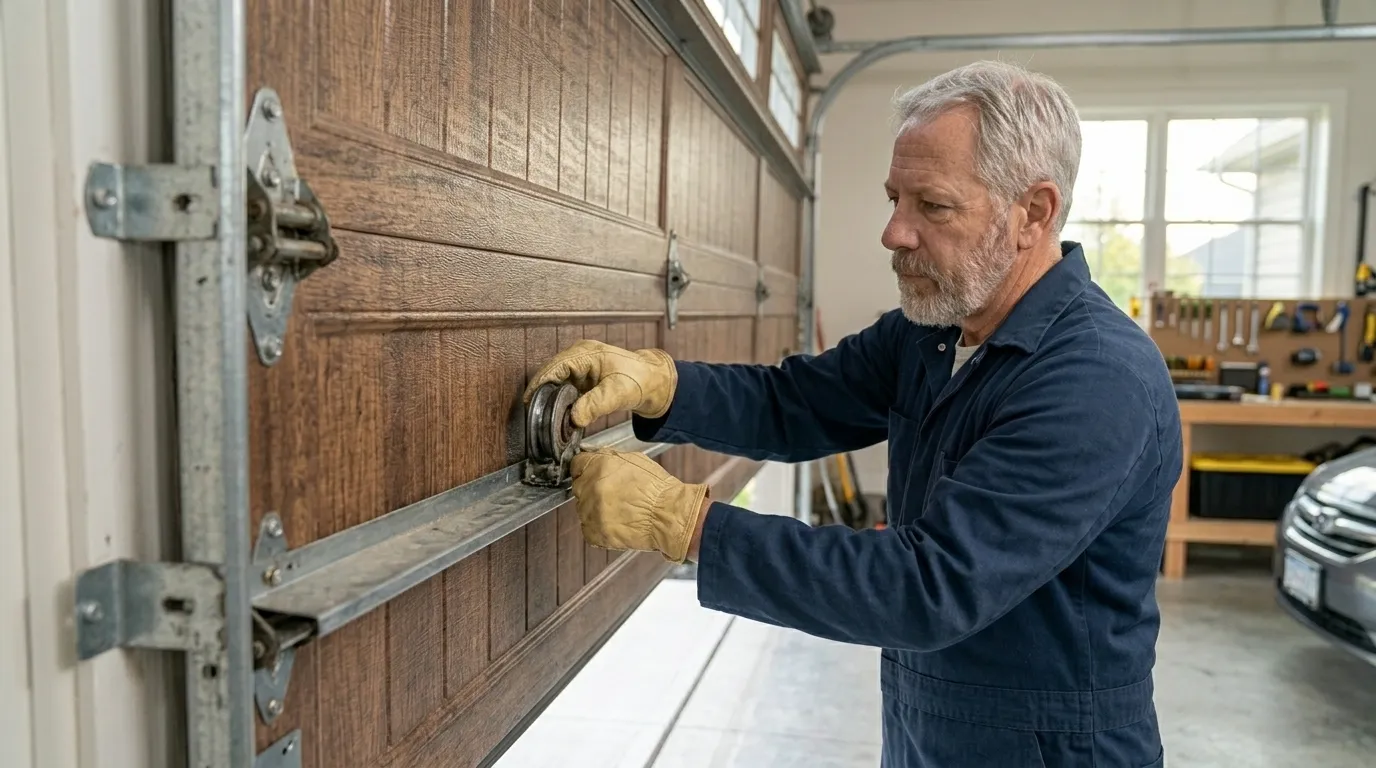
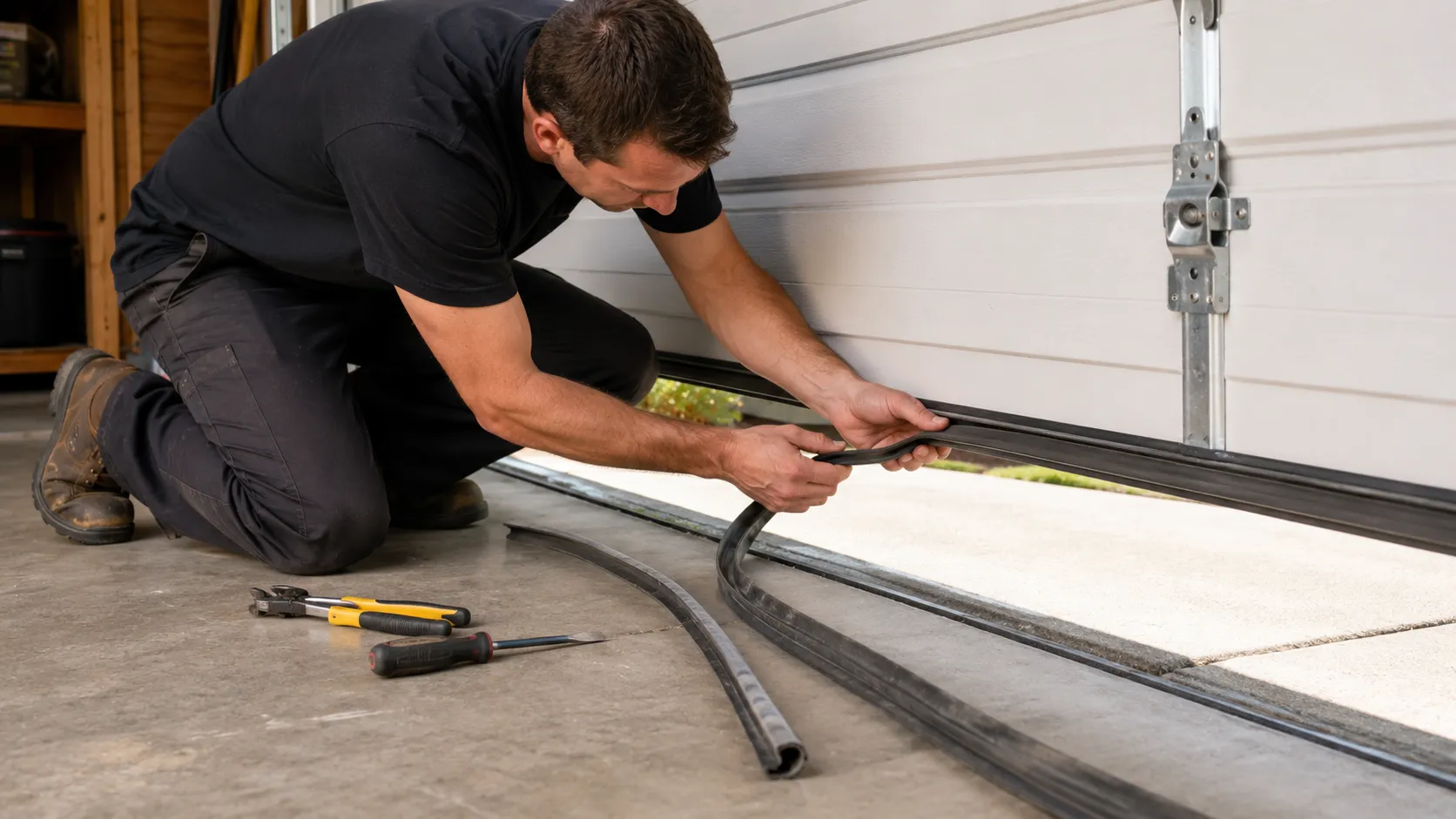
But grinding metal-on-metal, especially on a door original to a house built in the 1960s or 70s - which describes most of the stock in this part of Orange - means the roller or bearing has already worn past the point where lubrication helps. At that point you're paying for the part either way; the only question is whether you replace it now or after it takes the track with it.
What Most People Get Wrong
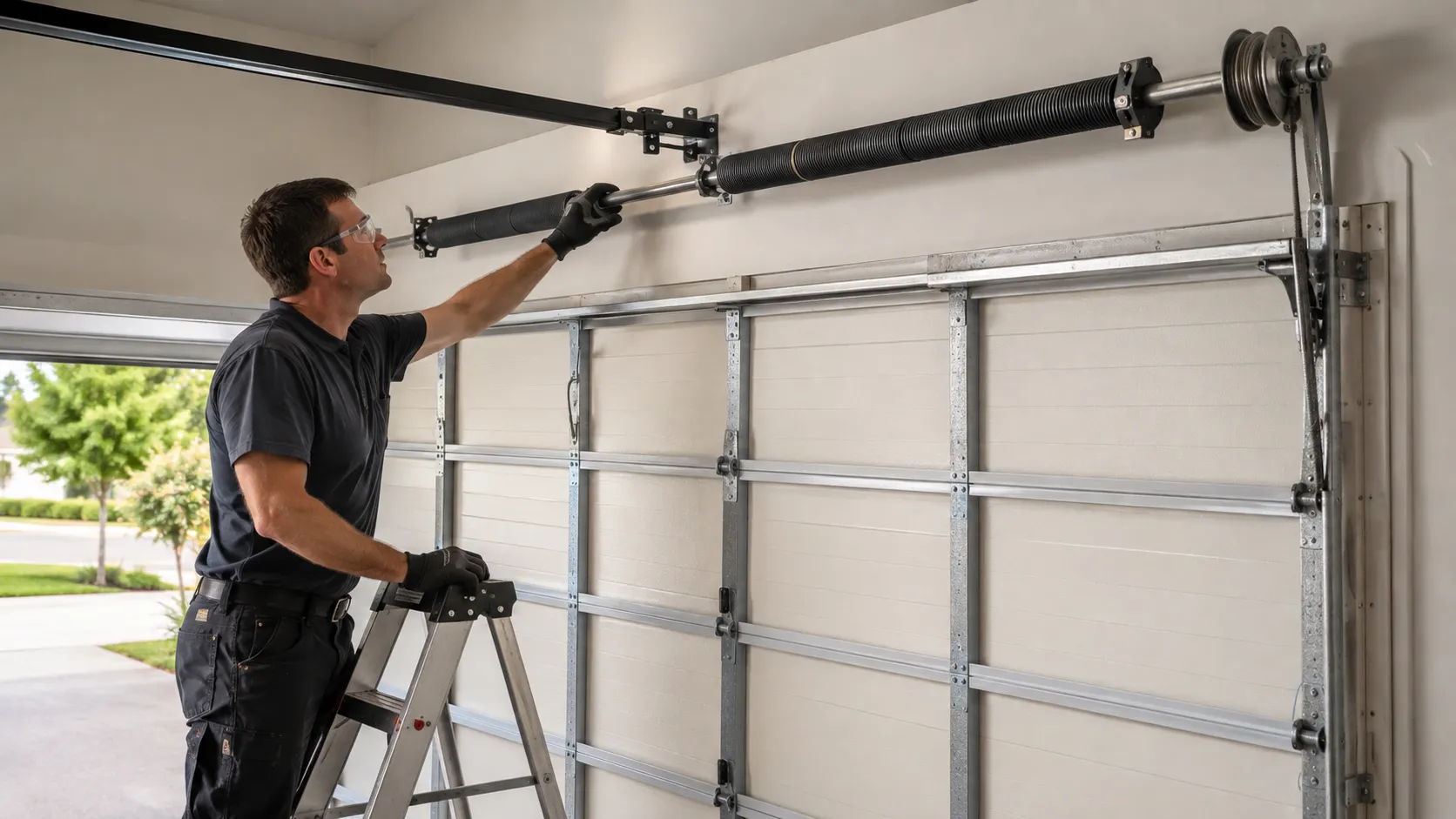
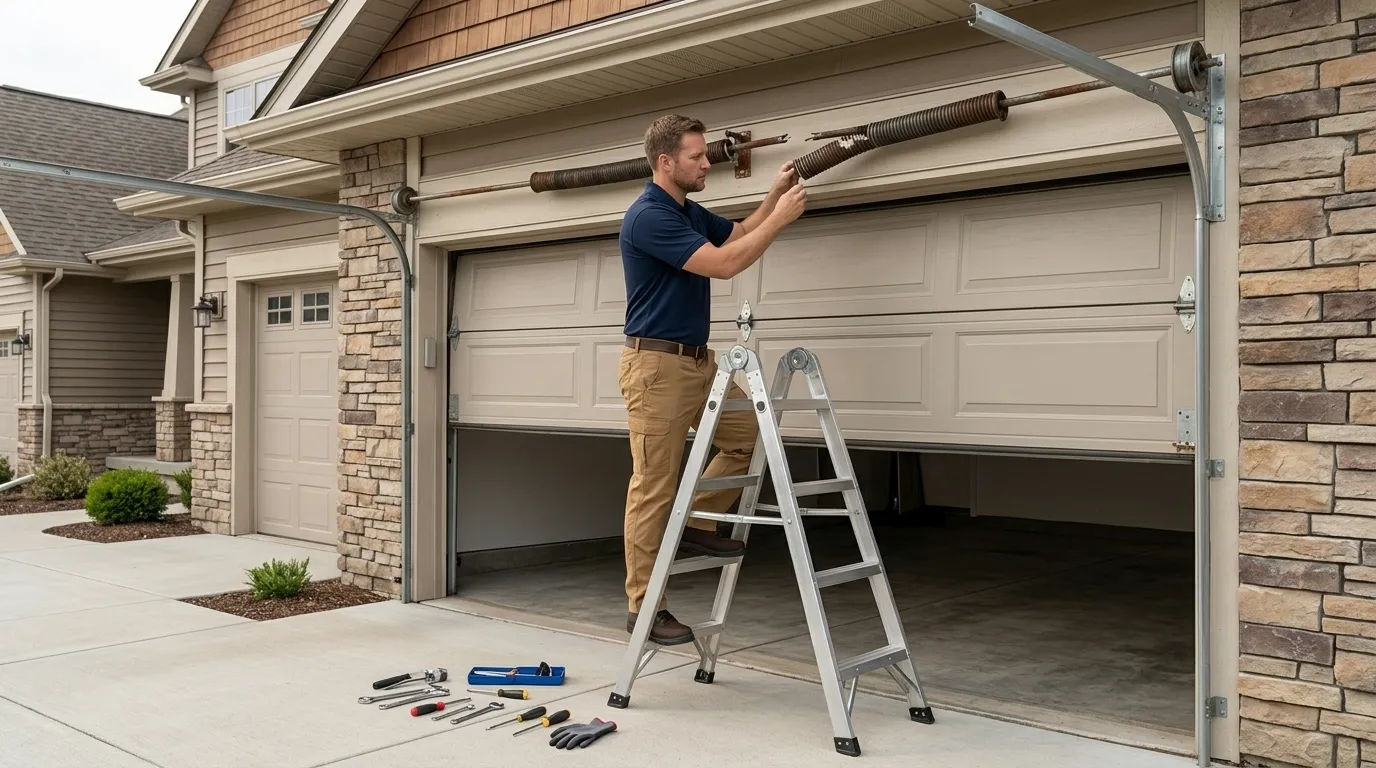
The most common mistake is spraying WD-40 on a spring and assuming the popping stopped because the spring is fine. It stopped because you added slip, not because the metal underneath is sound. Torsion springs on doors dating to the median build year here, 1968, are decades past their rated cycle count, and a quieter spring is not a stronger one.
The second mistake is blaming the opener for noise that's coming from the door itself. Most openers here are newer than the door they're lifting - houses built between 1938 and 1995 have had openers added, swapped, or upgraded over the years, but the track, hinges, and rollers are often original. If the noise changes when you run the door manually versus by remote, the problem is mechanical, not electronic, and no amount of opener tuning fixes a bent track.
The third mistake is ignoring a single loud pop because the door still closes. A one-time bang from a torsion spring, followed by the door running noticeably heavier by hand, means the spring has broken and the opener is now doing a job it wasn't built to do alone. That's a fast way to burn out a motor that had years of life left in it.
What Is Going On
Orange's housing stock runs from 1938 to 1995, with most of it concentrated in the 1960s and 70s across the string of named neighborhoods that make up this stretch of the county. A door installed with that house is likely still running its original torsion hardware - side-mounted springs and steel tracks that nobody stocks new anymore, so a repair often means adapting a modern part to an old frame rather than a straight swap.
Metal fatigues the same way everywhere, but the specific noise it makes depends on what's failing. A worn roller bearing makes a rhythmic squeak that speeds up as the door moves faster through the middle of its travel.
A stretched cable makes a grinding sound low on the track, near the bottom bracket. A spring nearing failure often makes a series of small ticks under load before it finally lets go.
Because so much of the stock here shares a build era, we see the same failure patterns repeat house to house - the same bracket wearing at the same mileage, the same track gap opening up at the same age. That's not a coincidence of one house; it's what happens when a whole neighborhood's doors were installed within a few years of each other.
What Local Conditions Do
Orange sits in a mild temperate band, which is good news for hardware - you're not dealing with the freeze-thaw cycling that cracks seals or the heavy humidity swings that rust springs from the inside out. That means when a door here starts making noise, it's almost always wear and age doing the work, not weather damage compounding it.
That's a real limitation on what we can tell you over the phone: mild conditions mean the noise is honest. It's not masking a bigger problem the way a coastal fog belt or a hard freeze zone might. If your door is quiet for years and then starts grinding, that's the hardware itself reaching the end of its life, not a seasonal fluke that'll go away.
Across the wider service area - 555,881 households, with 241,727 of them owner-occupied - a good share of the same 1960s-and-70s doors are sitting in similar mild conditions in neighboring areas like Villa Park and North Tustin, four miles out either direction, or Placentia six miles up the road. At a median household income of $102,303 in this area, most owners we talk to choose full hardware replacement over patched repairs once a door hits this age, because the parts and labor cost of fixing an original 1968-era spring setup piece by piece usually runs close to replacing it outright.
How We Can Help
Garage Door Repair
Springs, cables, tracks, rollers, and openers fixed by a tech who explains the problem before touching anything.
Learn more →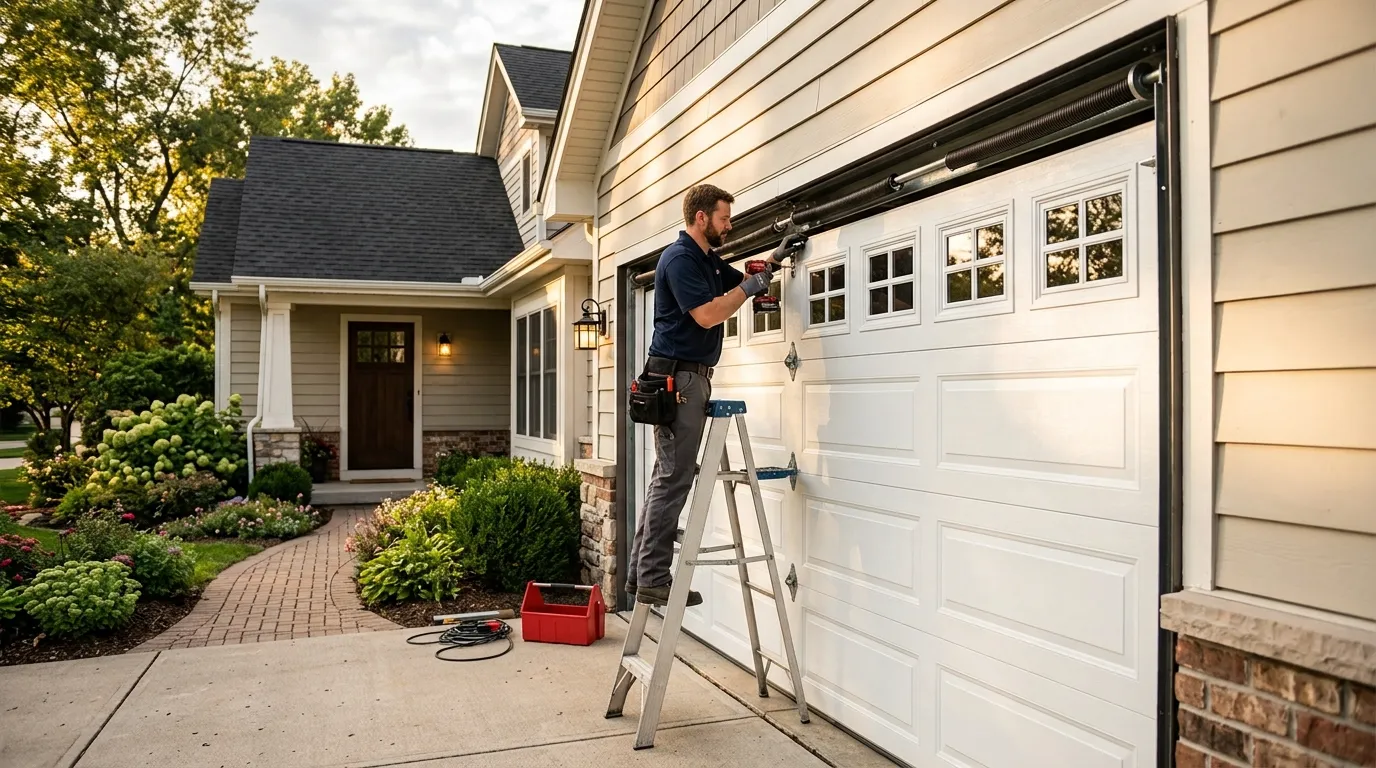
Garage Door Installation
New sectional doors sized and installed for the housing stock actually built in this area.
Learn more →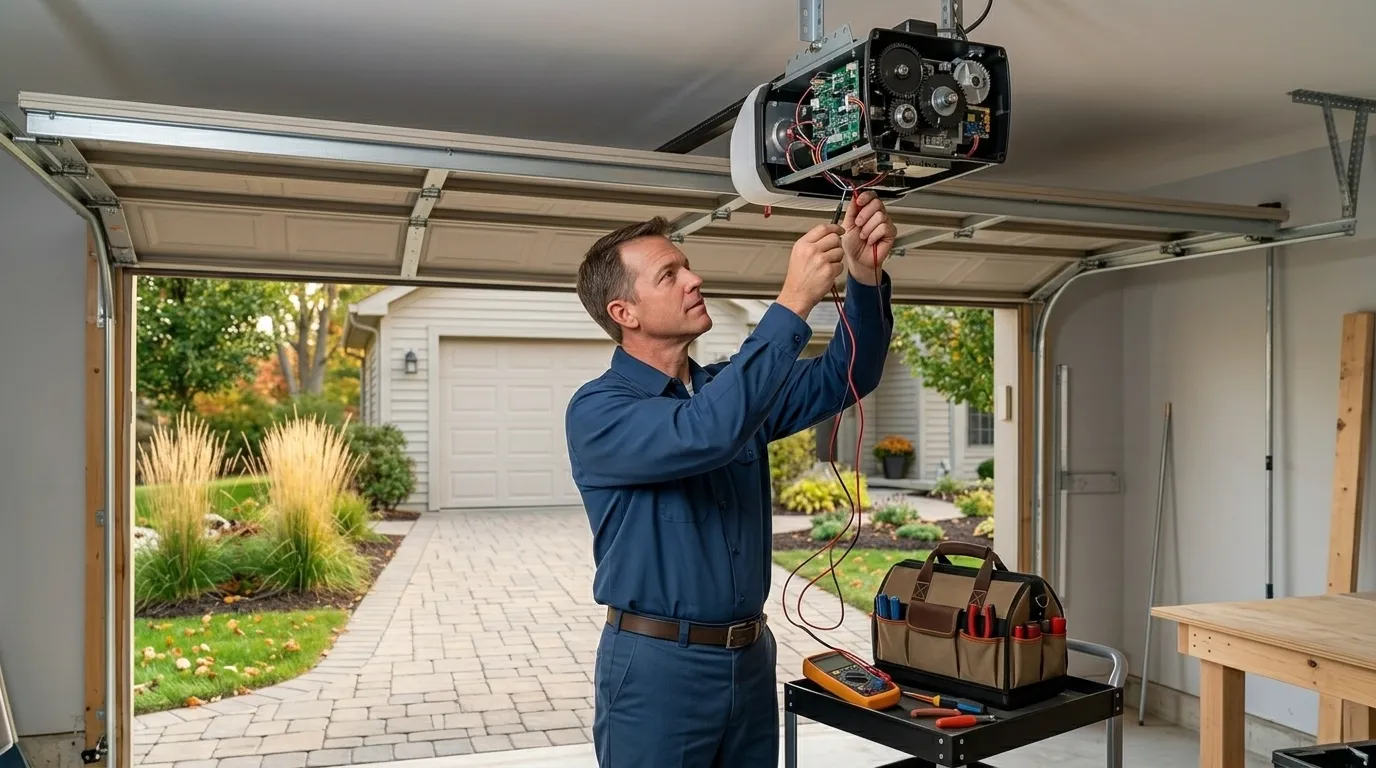
Garage Door Service
Tune-ups, lubrication, and safety checks that catch a small problem before it becomes a service call.
Learn more →Frequently Asked Questions
My garage door squeals every time it opens but still works fine. Do I need to worry?
Not urgently. A dry squeal usually means the rollers or hinges need lubrication, especially on original hardware from a 1960s or 70s build, which describes a lot of doors in Orange. Lube it and listen for a week. If the squeal comes back within days instead of months, the roller bearing itself is worn out, not just dry.
Why did my garage door suddenly get much heavier to lift?
That almost always means a torsion spring has broken. The opener or your arm is now doing the lifting job the spring used to share. Stop using the door and get the spring replaced - running a door long-term on one spring instead of two puts uneven strain on the track and can bend it.
Is the popping sound from my spring dangerous?
A series of small ticking or popping sounds under load often means a spring is close to failing, particularly on doors original to houses built decades ago. It's not an immediate hazard, but it's a warning sign worth acting on before the spring lets go entirely, which happens with a loud bang and a door that suddenly won't lift.
Does Orange's weather affect how fast garage door parts wear out?
Less than in a lot of places. Orange sits in a mild temperate band, so you're not fighting the rust and seal damage that freeze-thaw or high-humidity climates cause. Noise here is almost always straightforward mechanical wear from age and cycle count, not weather-driven corrosion.
Have a Door That Needs a Second Opinion?
Call and describe what it is doing - we will tell you what it likely is.