
Orange Garage Door Guide
Why So Many Orange Garage Doors Have No Insulation at All
Orange homes built between 1938 and 1995 often carry garage doors made before insulation codes existed. Here is what that means for comfort and noise.
- Licensed & Insured
- Same-Area Service Calls
- Upfront Pricing
When to Get Help
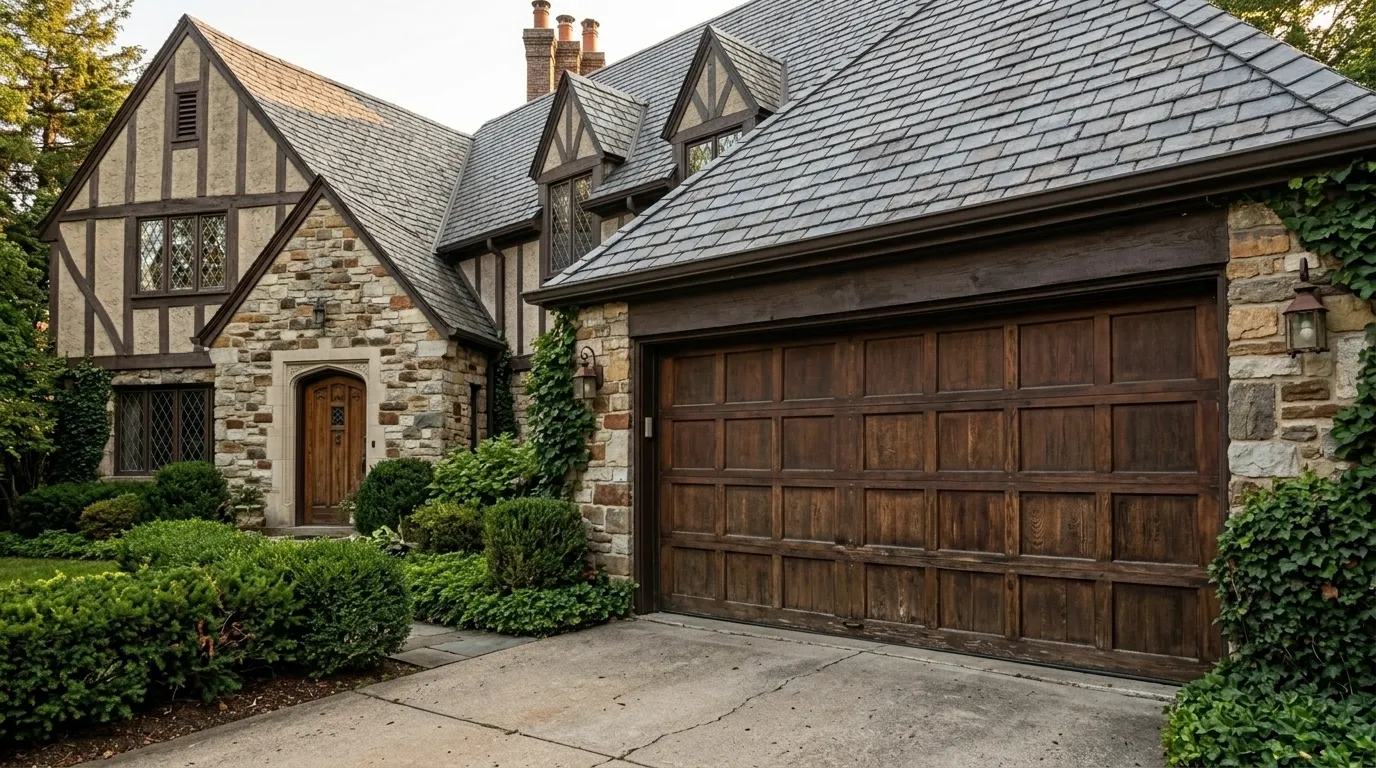
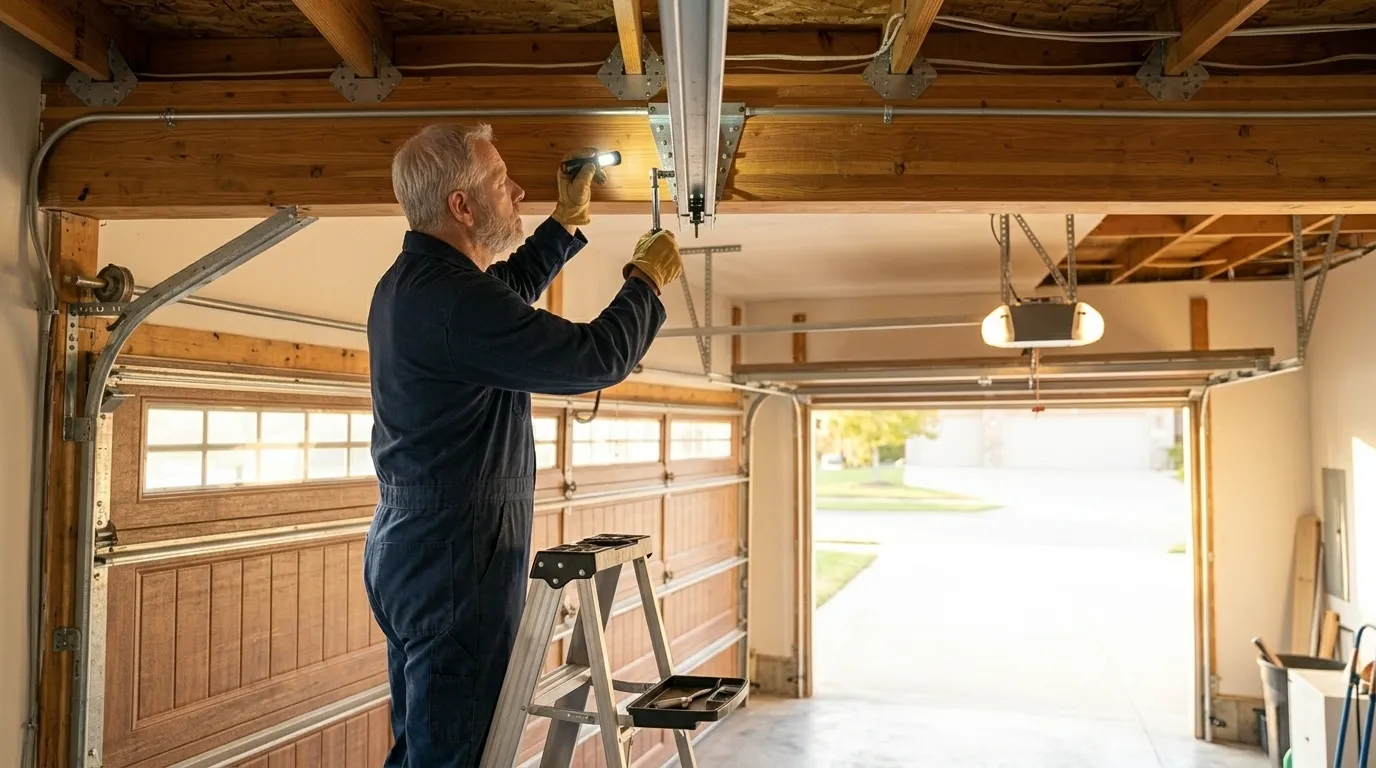
If your garage door is a flat steel or wood-panel slab with no visible core, it likely predates insulation requirements altogether. Most houses on this side of Orange went up between 1938 and 1995, with the median landing around 1968 - a stretch where builders weren't required to put anything between the outer skin and the inside of your garage. You'll know it when the garage runs noticeably colder than the house in the morning, when you can hear the street through the closed door, or when moisture beads on the inside panel after a cool night.
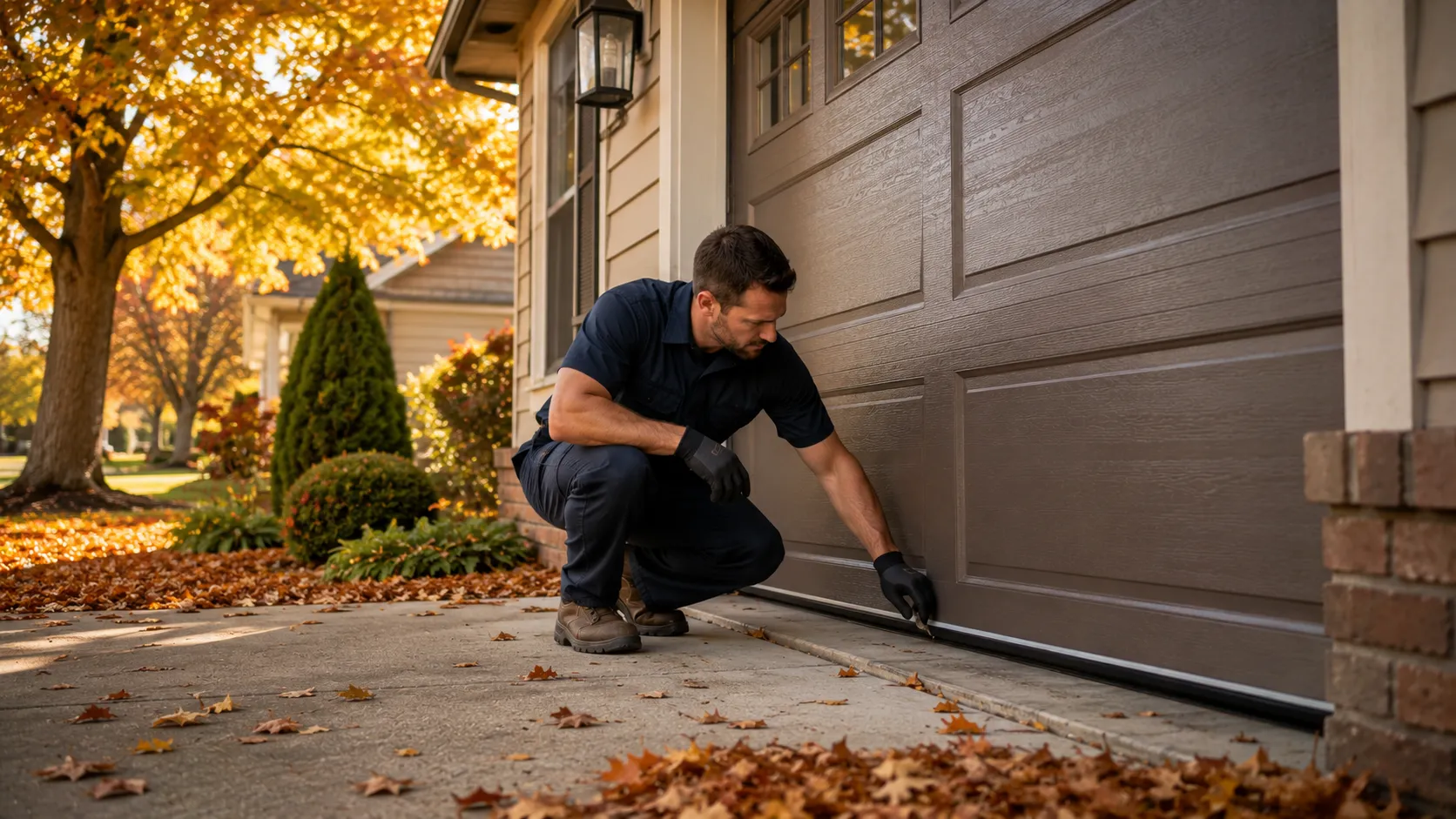
None of that means the door is broken. It means the door was never built to hold a temperature. Get someone out if you're also seeing warping, rust bubbling on the bottom panel, or a door that's gotten heavier to lift by hand - that's the steel itself giving out, not just the lack of insulation.
A door that's merely cold is a comfort problem you can live with or fix on your schedule. A door that's warping or rusting through is a safety problem that shouldn't wait.
What Most People Get Wrong
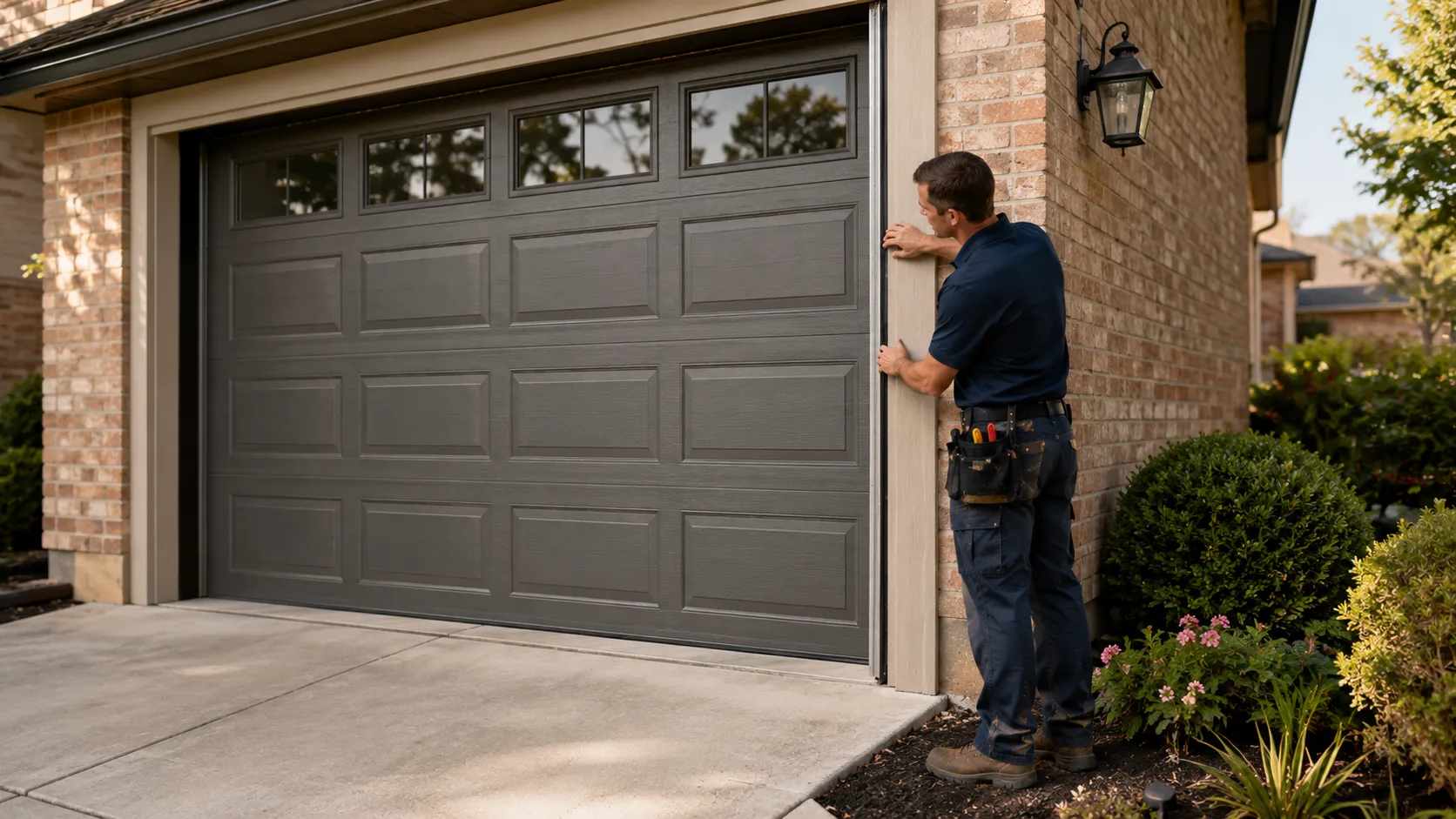
The mistake we see most in this area is assuming that because Orange sits in a mild temperate band, insulation doesn't matter here the way it would somewhere with real winters. That logic skips over what an attached garage actually does to the rooms next to it. Even modest swings pull heat out of an uninsulated steel panel fast, and that panel is often sharing a wall with a bedroom or laundry room in houses from this era.
The second mistake is treating insulation as a repair. It isn't. A door built in 1968 wasn't designed with a cavity for foam board or a place to seat a thermal break, so bolting insulation onto an old single-layer panel usually doesn't do much - the door still leaks around the edges and through the frame it was never sealed to.
We won't sell you a foam kit and call it solved. If the door is original to a house from this stretch of build years, the honest fix is usually a door built with insulation designed in, not one retrofitted after the fact.
What Is Going On
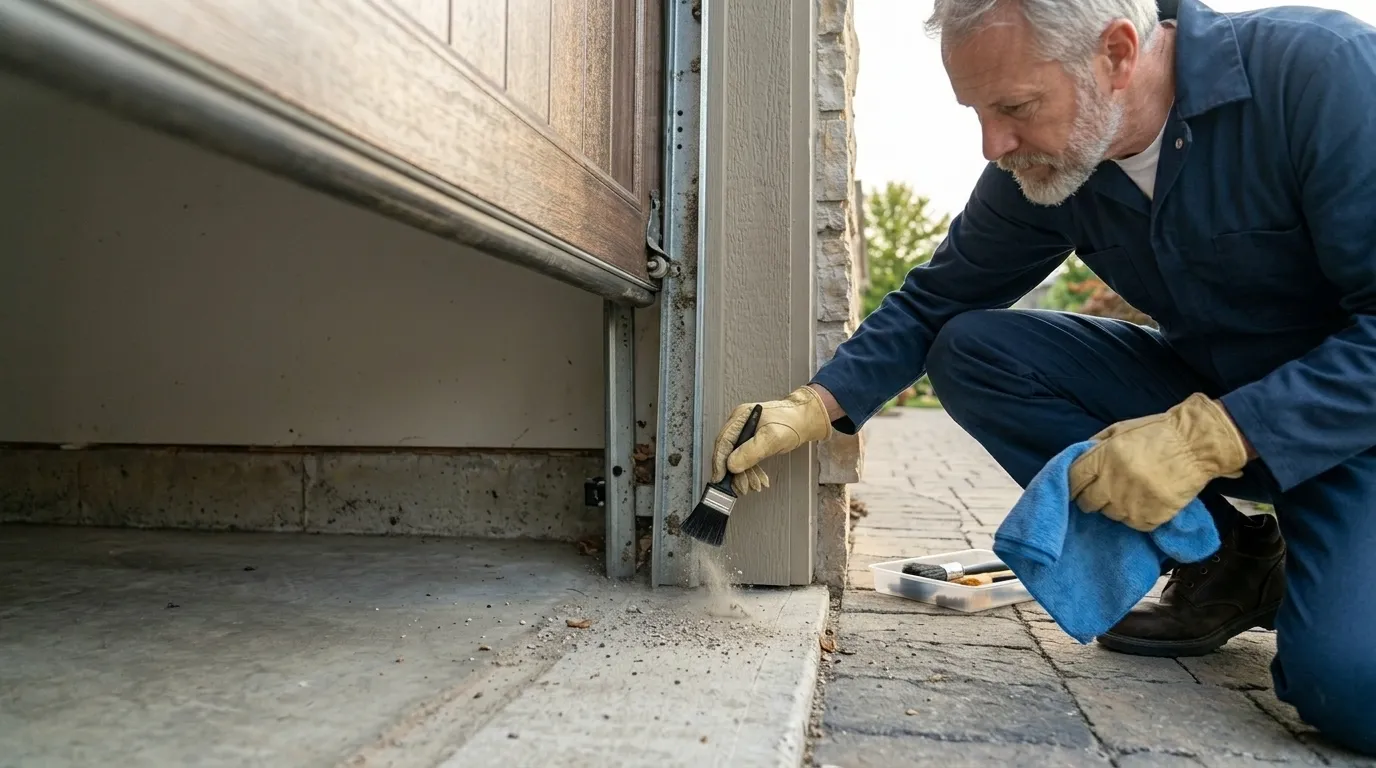
Insulation requirements for residential garage doors came along well after most of the housing stock in this area was built. With a median build year around 1968, and most of the 1960s and 70s-era tract construction still standing across the 47 communities this service area covers, a large share of the original doors out there are single-layer steel or plain wood, no thermal barrier, no weatherstrip design beyond a strip along the bottom. That's not a defect - it's just what the codes required at the time, which was nothing.
Over decades those original doors have usually been replaced once, sometimes with another uninsulated panel because it was cheaper and matched what was there. The result is a lot of houses from this build era where the door looks fine, opens fine, and still does nothing to slow heat, sound, or moisture moving between the garage and the rest of the house.
What Local Conditions Do
Orange's climate is mild and temperate, which cuts both ways for an old door. You're not fighting hard freezes or triple-digit stretches, so an uninsulated panel won't fail catastrophically the way it might elsewhere. But mild doesn't mean flat - morning-to-afternoon swings are still enough to expand and contract a steel panel daily, and that daily flex is what loosens seals, pops fasteners, and eventually bows a panel that's already fifty-plus years old.
In houses from this build era, the garage is often tucked right against living space, so a door with no thermal layer keeps passing that daily swing straight into the house. With household income in this area running well above $100,000, cost isn't usually the reason people put off replacing one of these doors - it's that nobody told them the original door was never built to do the job in the first place.
How We Can Help
Garage Door Repair
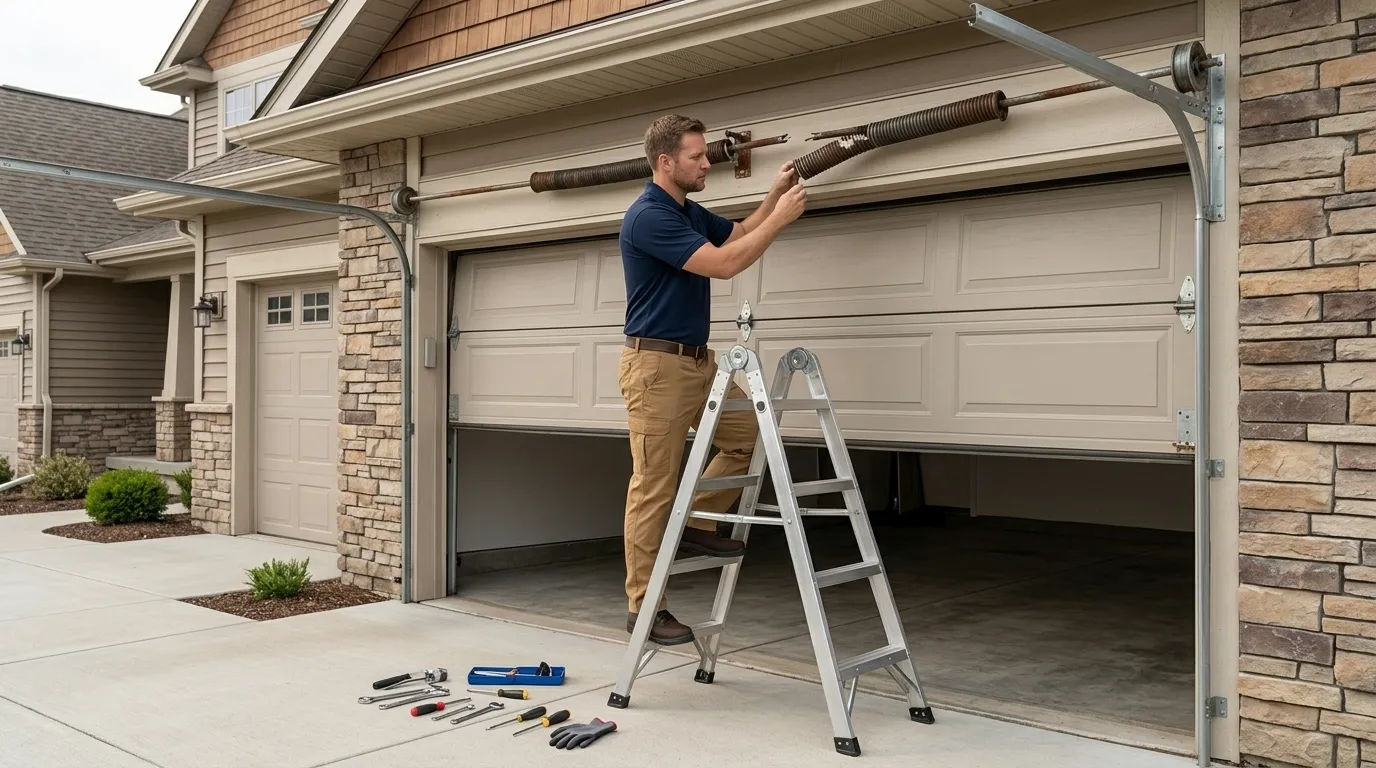
Springs, cables, tracks, rollers, and openers fixed by a tech who explains the problem before touching anything.
Learn more →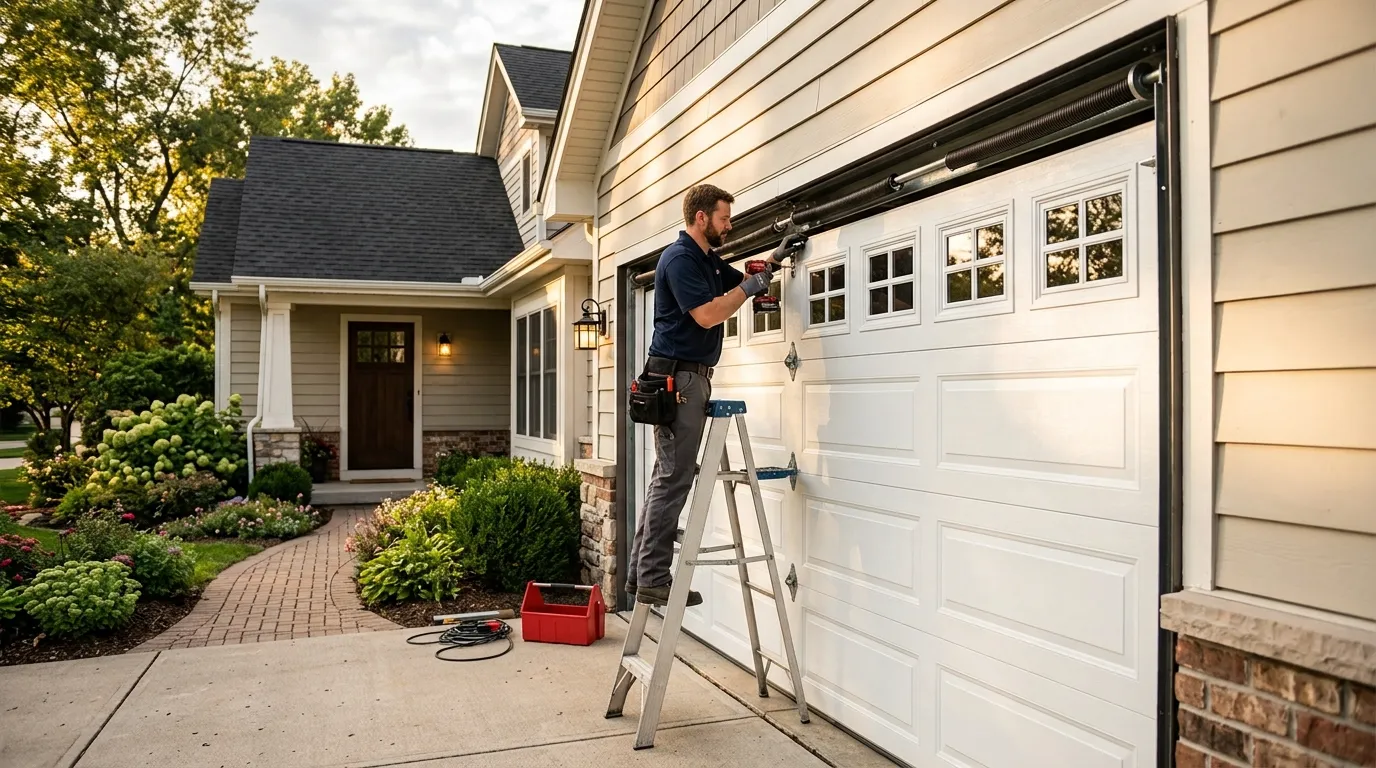
Garage Door Installation
New sectional doors sized and installed for the housing stock actually built in this area.
Learn more →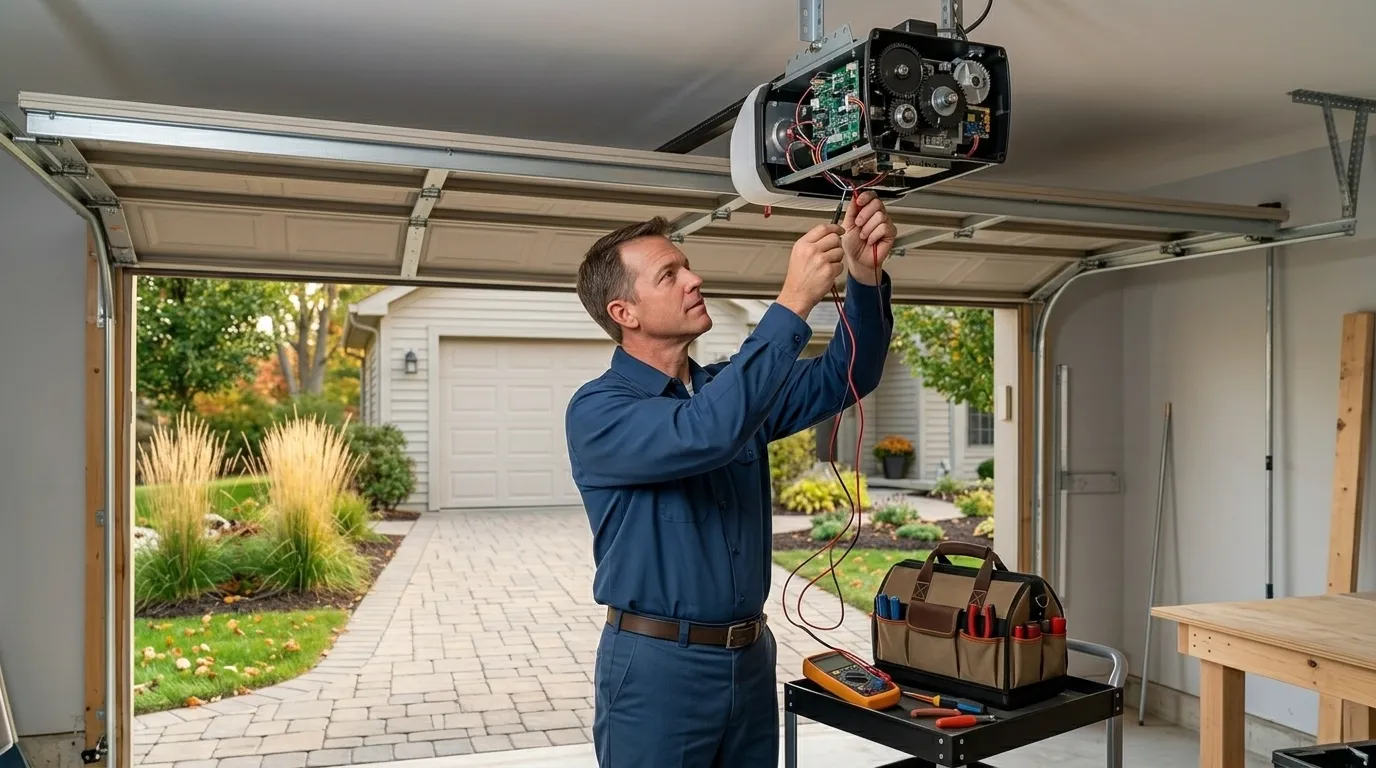
Garage Door Service
Tune-ups, lubrication, and safety checks that catch a small problem before it becomes a service call.
Learn more →Frequently Asked Questions
Is my garage door original if the house was built in the 1960s?
Possibly, but not always. A lot of houses from that era have had the door swapped once already, sometimes with another uninsulated panel. Check for a manufacture sticker on the inside edge or look at the back - a plain flat steel or wood face with no visible core layer is the giveaway either way.
Does Orange's mild climate mean insulation doesn't matter?
Not really. Mild temperate weather means you're not fighting hard freezes, but you still get daily temperature swings that pass straight through an uninsulated steel panel into whatever room sits next to the garage. It's a comfort and noise issue here more than a survival one.
Can I just add foam insulation to my existing old door?
Usually not effectively. Doors built before insulation codes weren't designed with a cavity to hold foam board or a sealed edge to stop air leaking around it. A foam kit can dull some noise, but it won't come close to what a door built with insulation from the start does.
Have a Door That Needs a Second Opinion?
Call and describe what it is doing - we will tell you what it likely is.