
Nearby Community
Garage Door Work for Lakewood's 1950s Housing Stock
Garage door repair for Lakewood homes built mostly around 1957, 16 miles from our Orange shop. Torsion springs, openers, and panel work on original hardware.
- Licensed & Insured
- Same-Area Service Calls
- Upfront Pricing
This Area's Housing
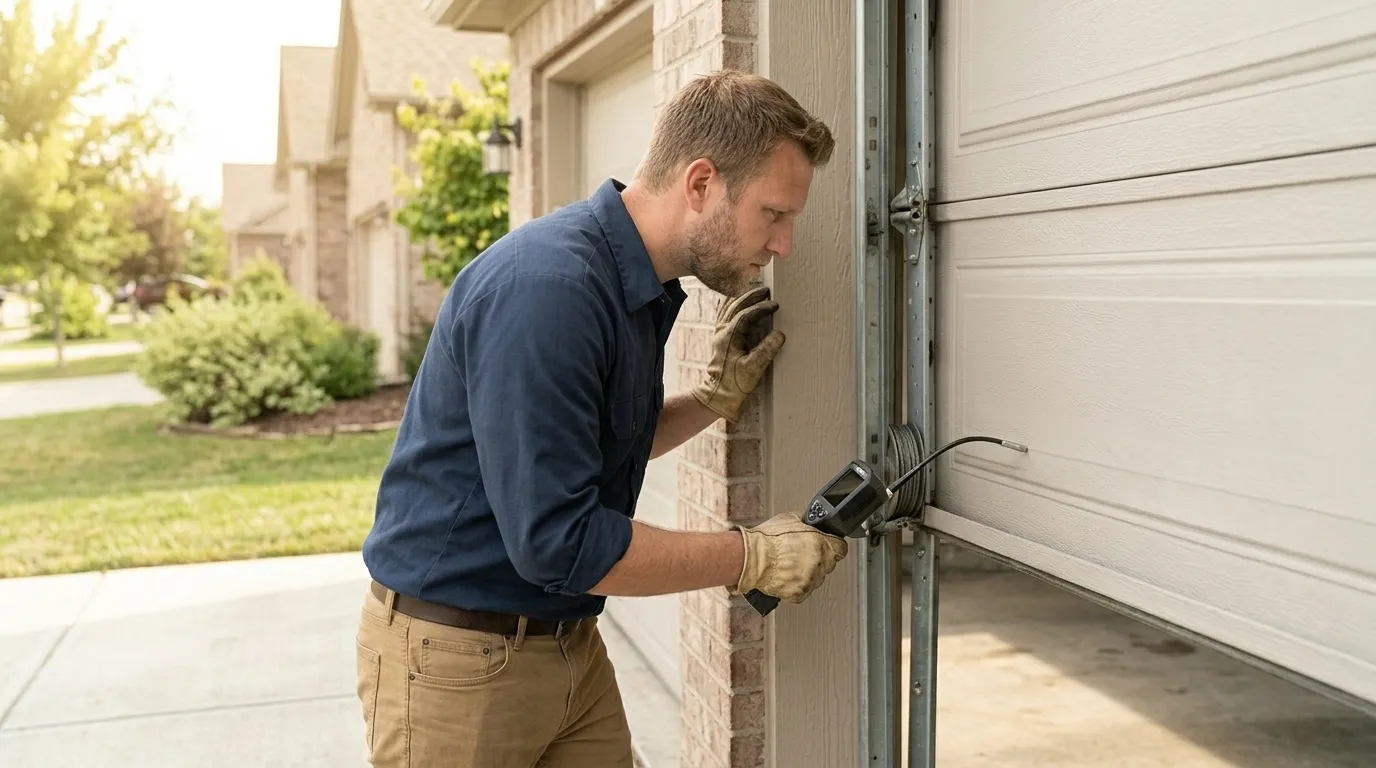
Lakewood's houses skew older than most of the territory we cover out of Orange. The median build year here lands around 1957, a good decade ahead of the 1968 median across the wider service area.
That difference matters more than it sounds like it should. A house built in 1957 got its garage door and opener hardware specified under a completely different set of assumptions than a house built in the late 1960s or 1970s - lighter doors, narrower tracks, and in many cases, hardware that was never designed to carry a modern insulated door or a belt-drive opener bolted on later.
With roughly 26,118 households in this area, that's a lot of original openings still doing the job they were built for, sometimes with three or four generations of opener hardware stacked on top of the same track brackets. We see this pattern often enough here that it shapes how we quote a job before we even get out of the truck - a 1957 opening usually needs a different conversation than a 1972 one.
How That Shows Up in the Door
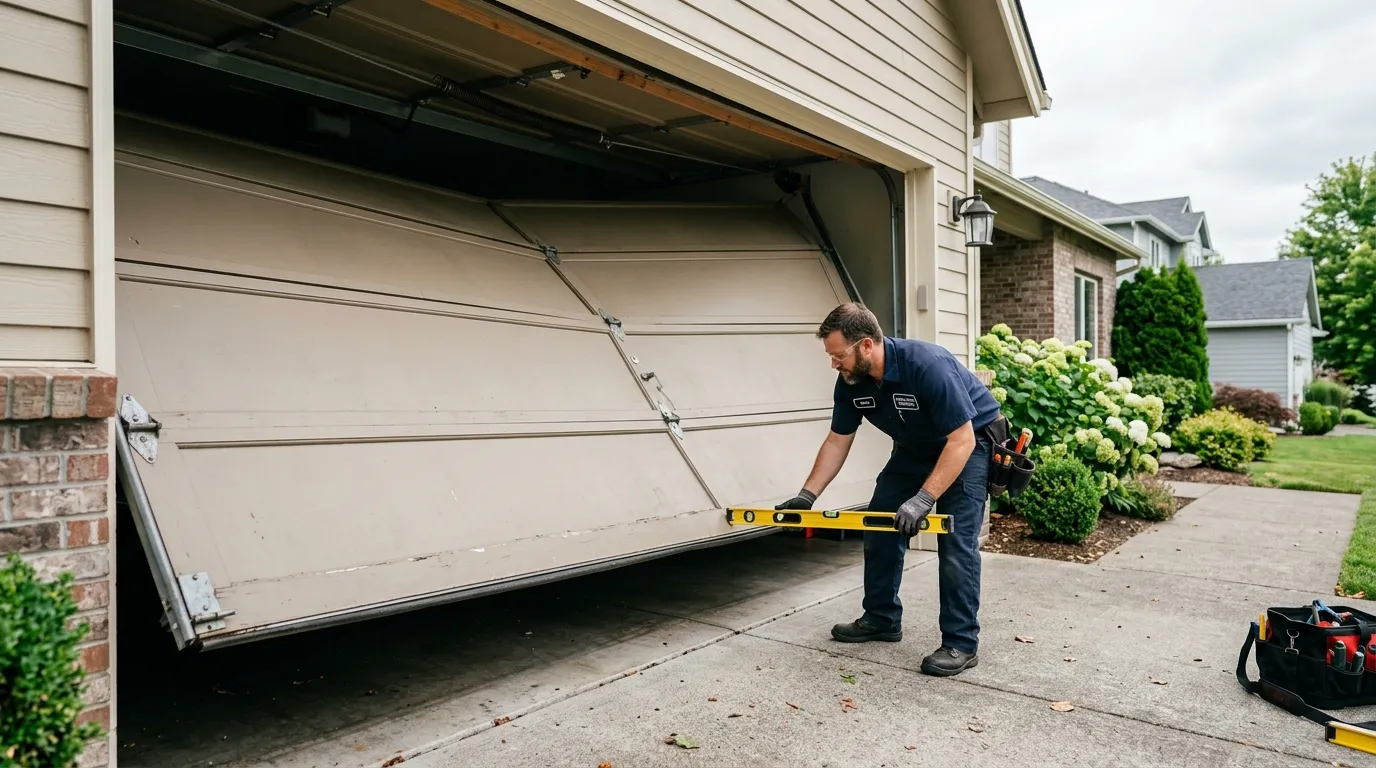
On a 1957 house, the garage opening itself is often narrower than what came standard by the 1970s, and the header framing above it wasn't built with the extra weight of a modern steel or insulated door in mind. When we get a call about a door that's suddenly heavy to lift by hand, or an opener that strains and reverses partway up, the first thing we check on an older Lakewood house is whether someone swapped in a heavier door decades ago without upgrading the spring size or the track gauge to match.
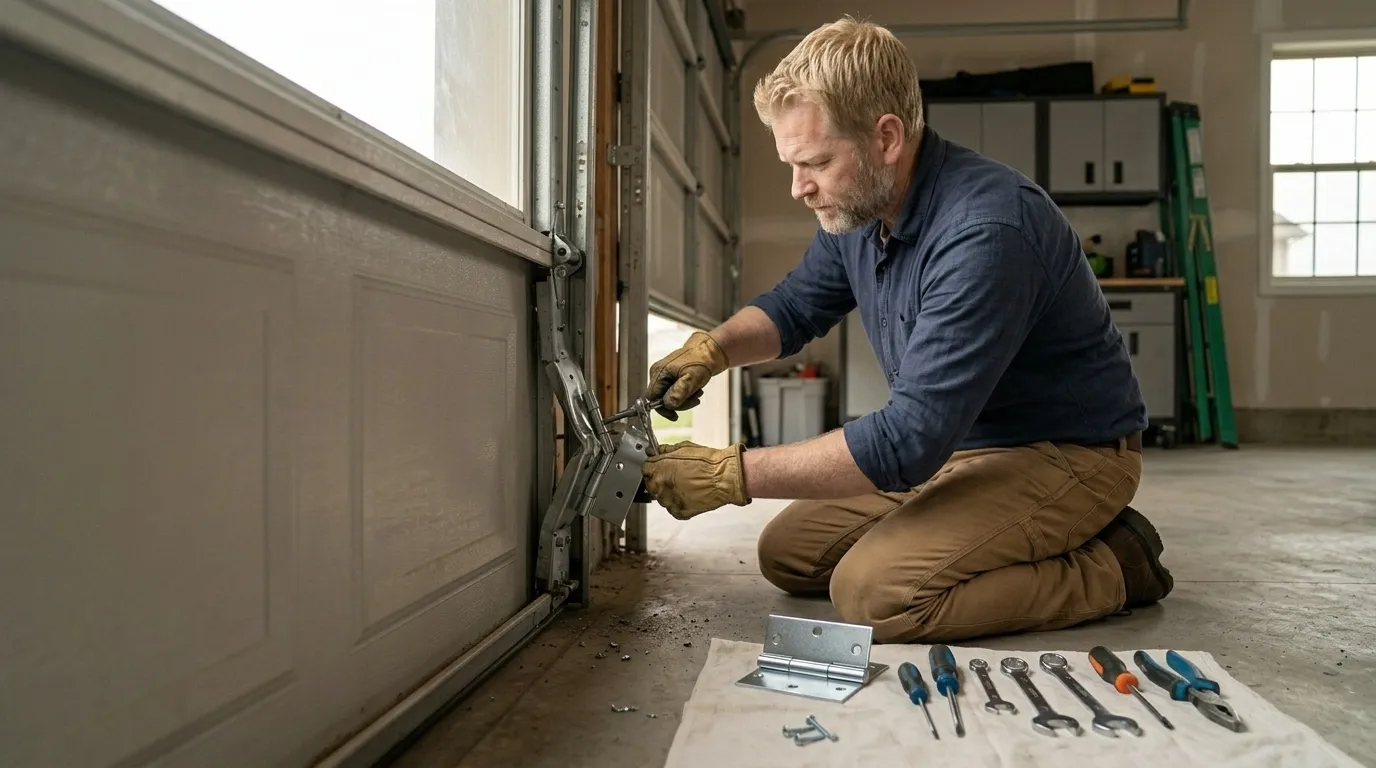
Track rollers on these older frames also tend to be the narrower steel type rather than the wider nylon rollers you'd expect on a house built even fifteen years later. They wear differently - more noise, more binding at the horizontal-to-vertical transition - and they're not always a straight swap for stock parts off the shelf.
None of this is exotic climate damage. Southern California's mild temperate band doesn't put much stress on wood or metal compared to freeze-thaw regions, so what we're dealing with here is mostly hardware age and mismatch, not weather wear.
Old Streets and New Ones
Lakewood sits about 16 miles from our shop in Orange, and the mix of home ages across the area isn't uniform even at the street level. Older sections built closer to 1957 carry the narrower-opening, lighter-door hardware described above. Where infill or remodel construction happened later, you'll find openers and doors that match the newer building norms more common across the rest of the service area - wider two-car openings, steel doors rated for heavier insulation packages, and torsion spring systems sized for that added weight.
We don't have a way to tell you which is which from a distance - every block is its own case, and the honest answer is we quote the door in front of us, not the year on a plat map. What we can say is that a service call here often starts with figuring out whether the door on site is original-era hardware or a later replacement, because that single fact changes which spring, which cable gauge, and which opener mounting we're working with.
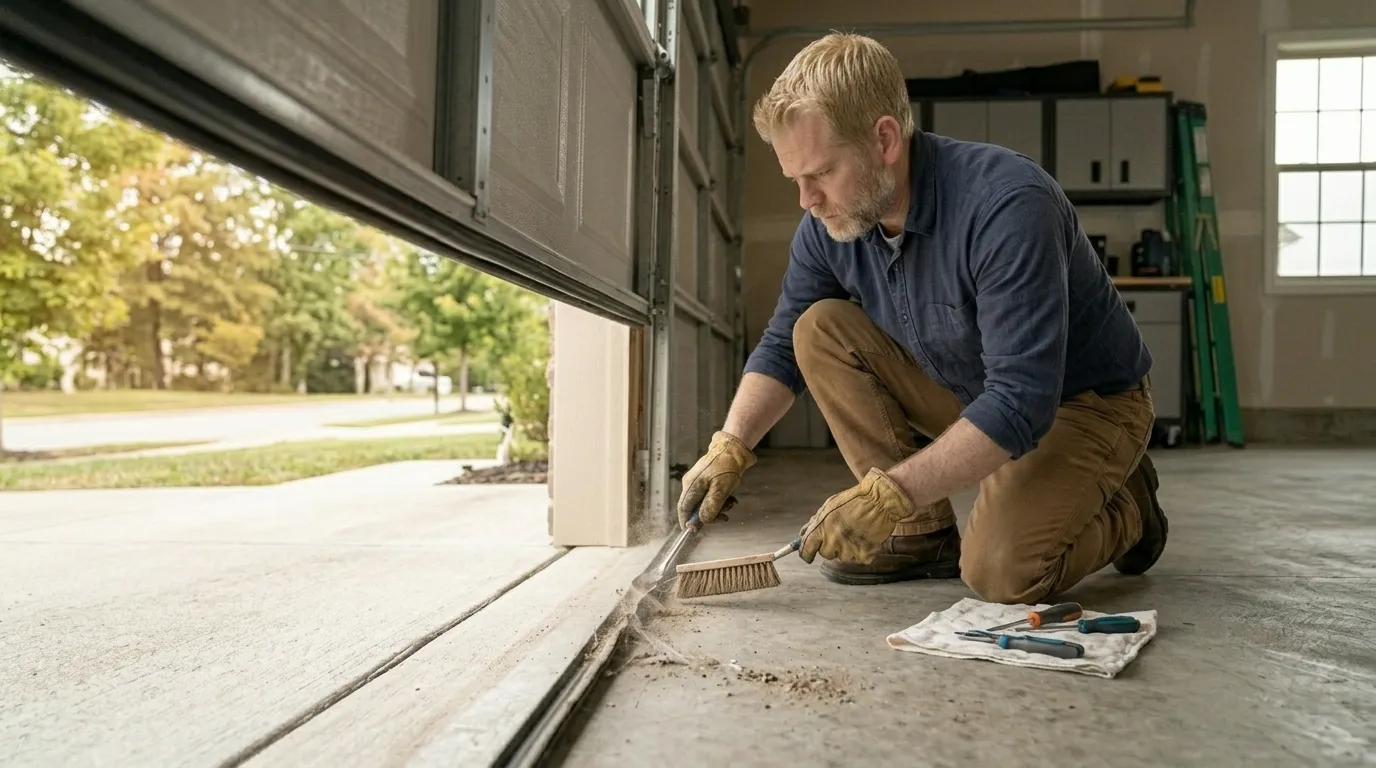
The Usual Work Here
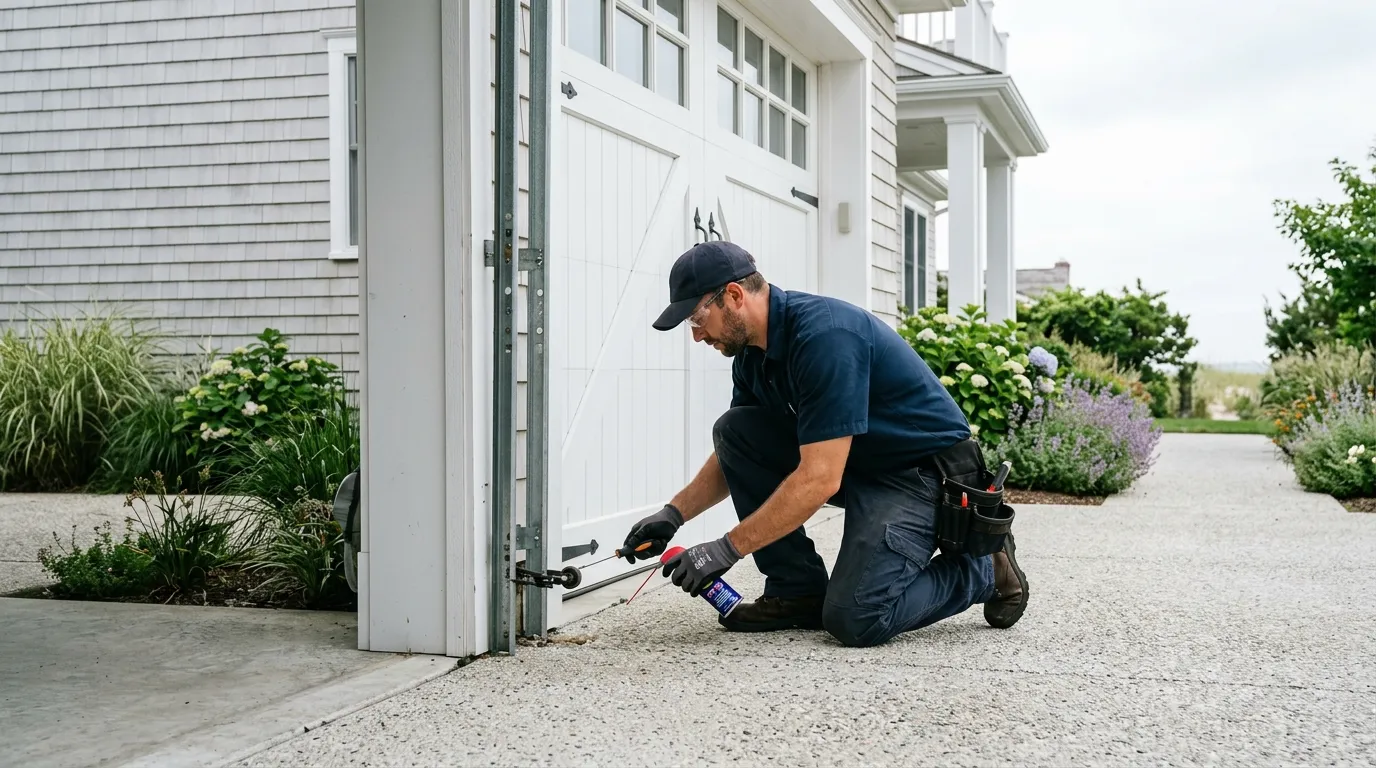
The most common call from this part of the territory is a broken torsion spring on an original-era door that's never been upsized - the door gets heavier to lift over the years as cables stretch and rollers wear, until one day the spring just gives out. Opener replacements are close behind, usually because a chain-drive unit installed on older bracket hardware has finally worn past what a belt or wall-mount swap can fix cleanly.
One honest limitation: if the header framing above the door was never reinforced for a heavier replacement door, we'll tell you that before we quote a straight swap, because bolting a heavier panel to hardware rated for a lighter one is how you end up with a second call in a year. Sometimes the right answer is a lighter door built to the original spec rather than the heaviest insulated model on the showroom floor. Household income across this stretch runs higher than the broader service area, which sometimes means folks are ready to pay for the reinforced fix rather than the patch - but we'll always say which one you actually need.
Recent Work Near Lakewood
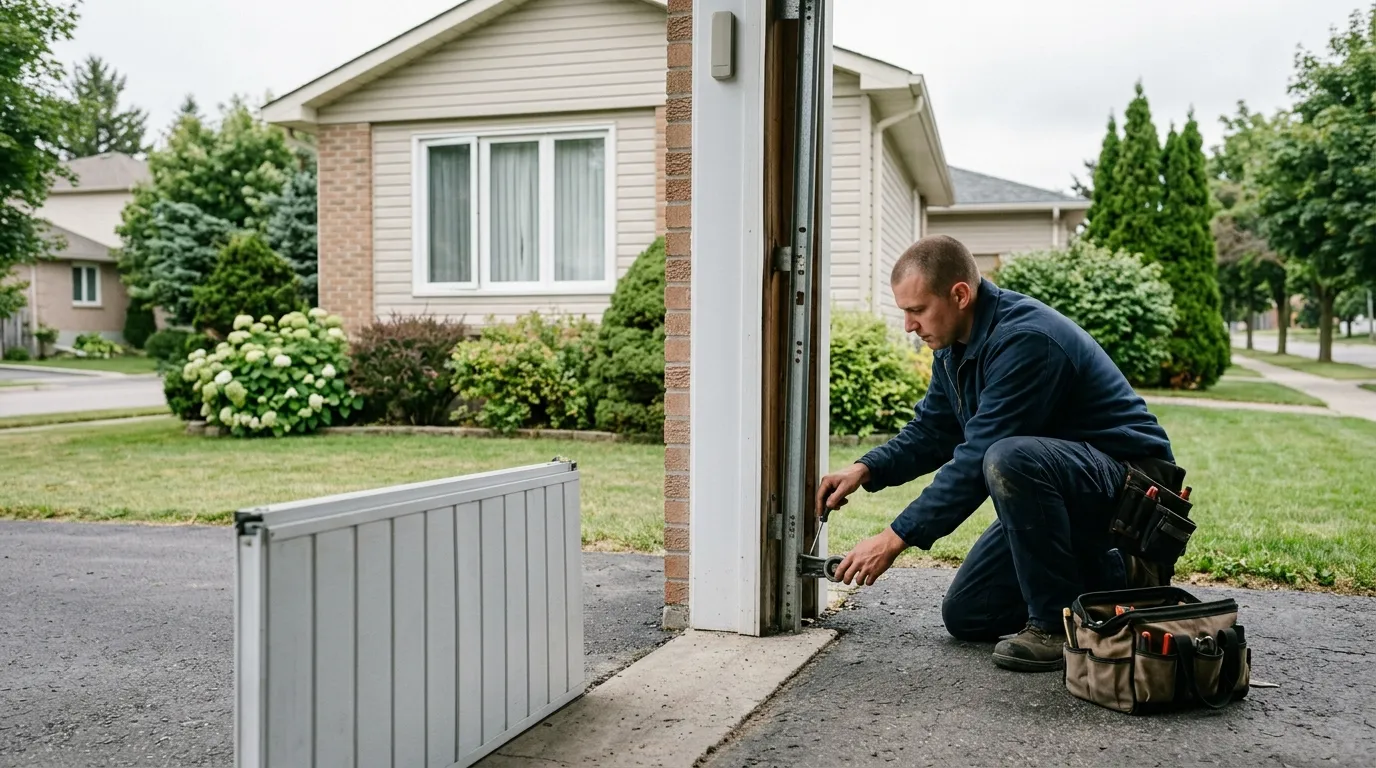
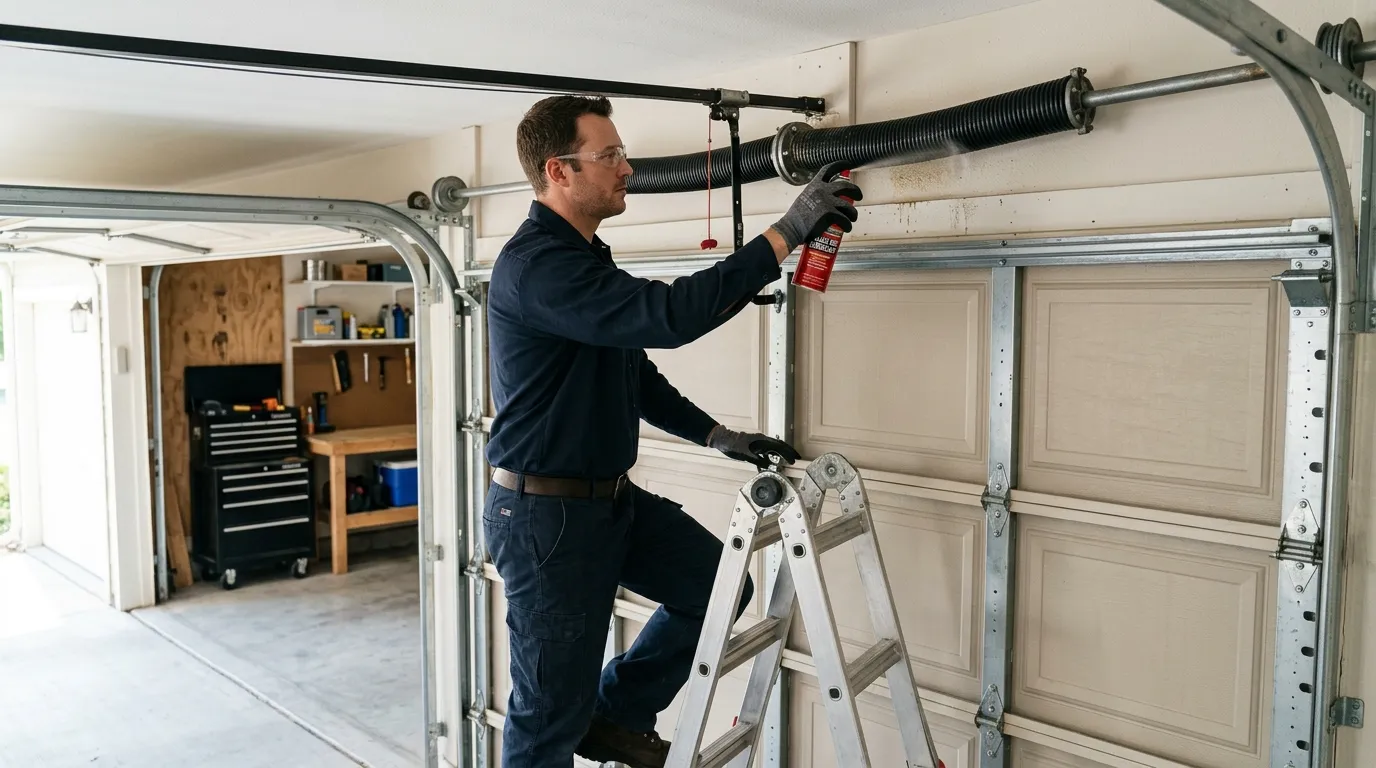
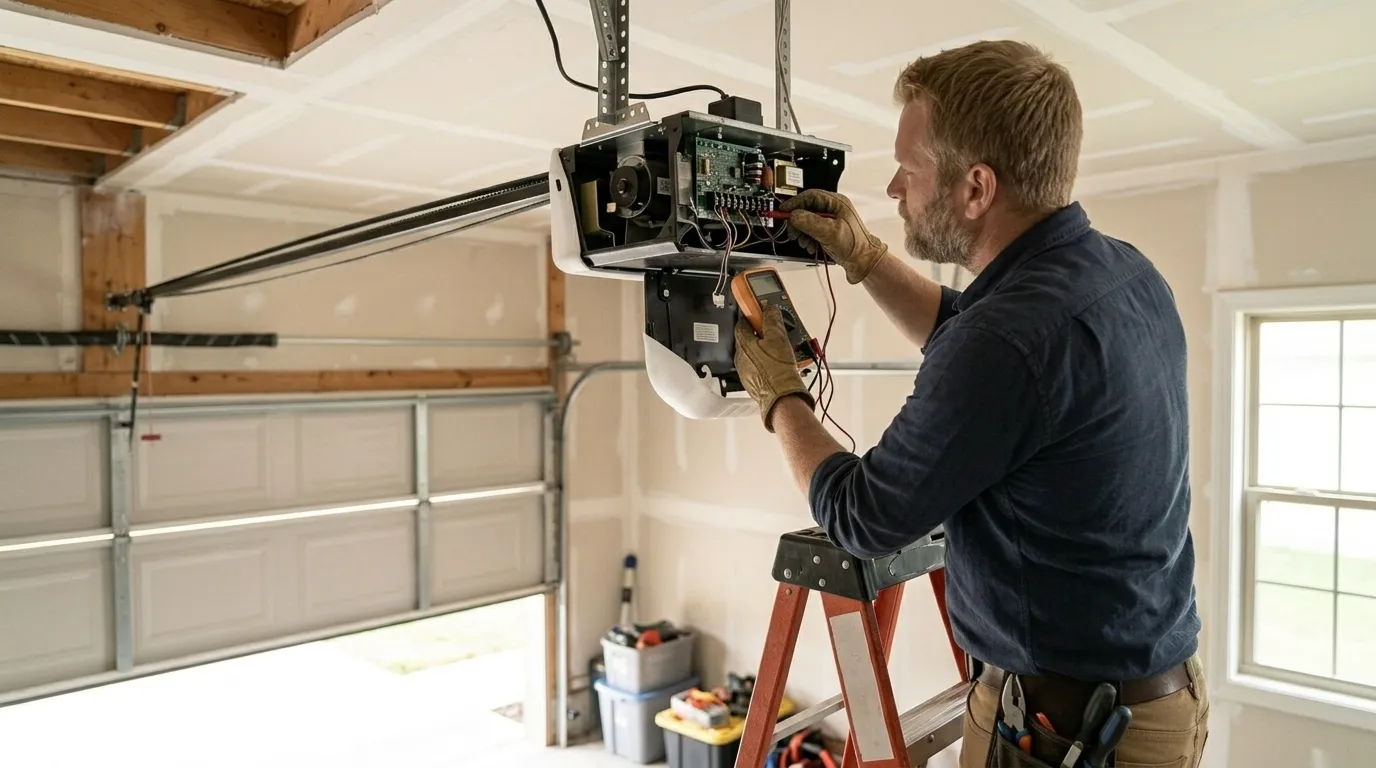
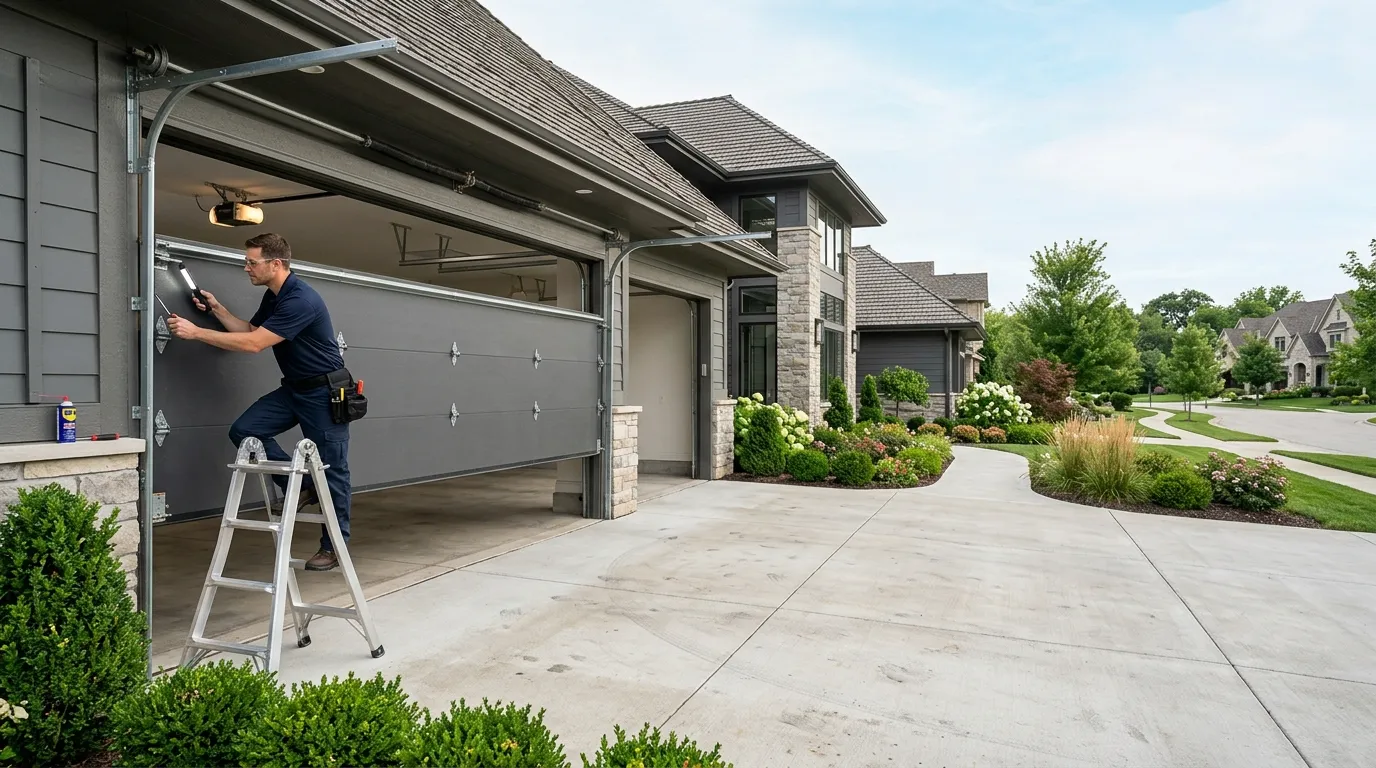
How We Can Help
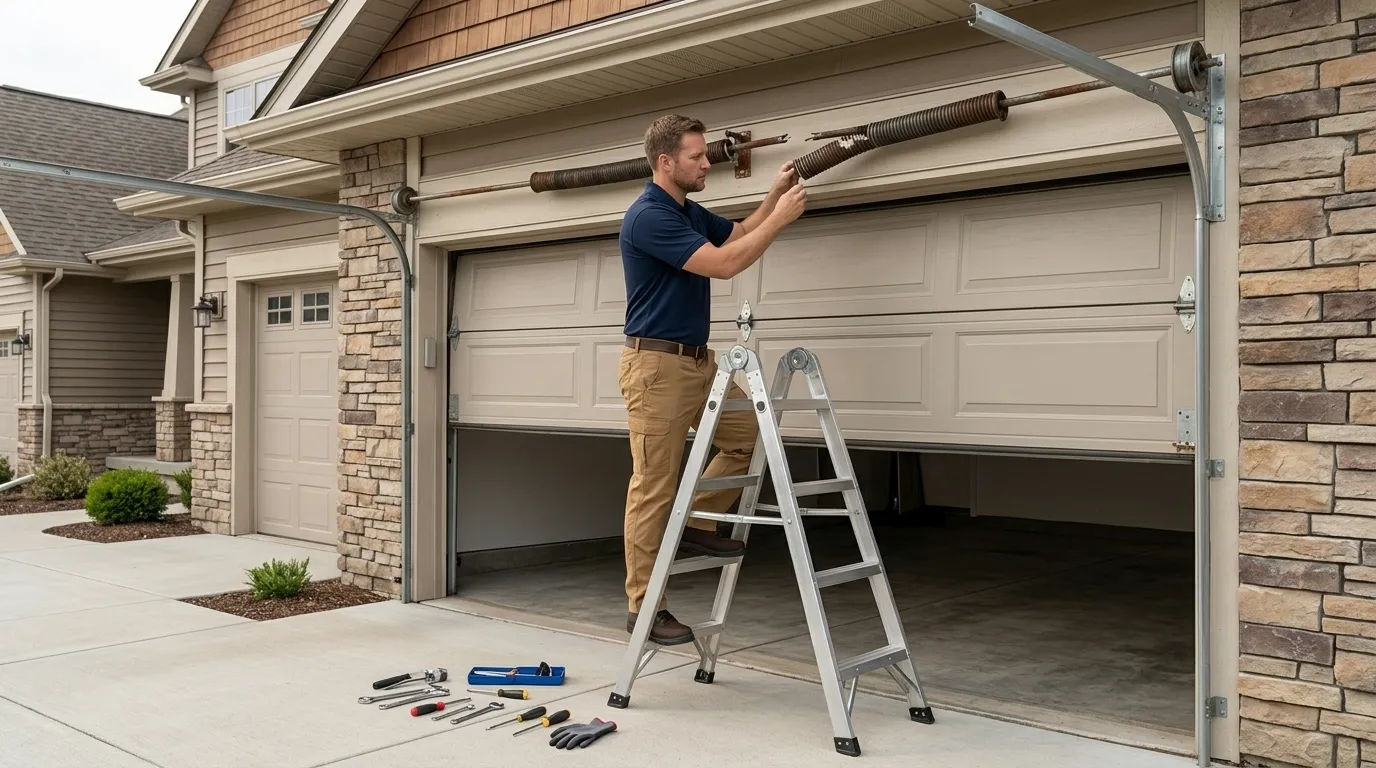
Garage Door Repair
Springs, cables, tracks, rollers, and openers fixed by a tech who explains the problem before touching anything.
Learn more →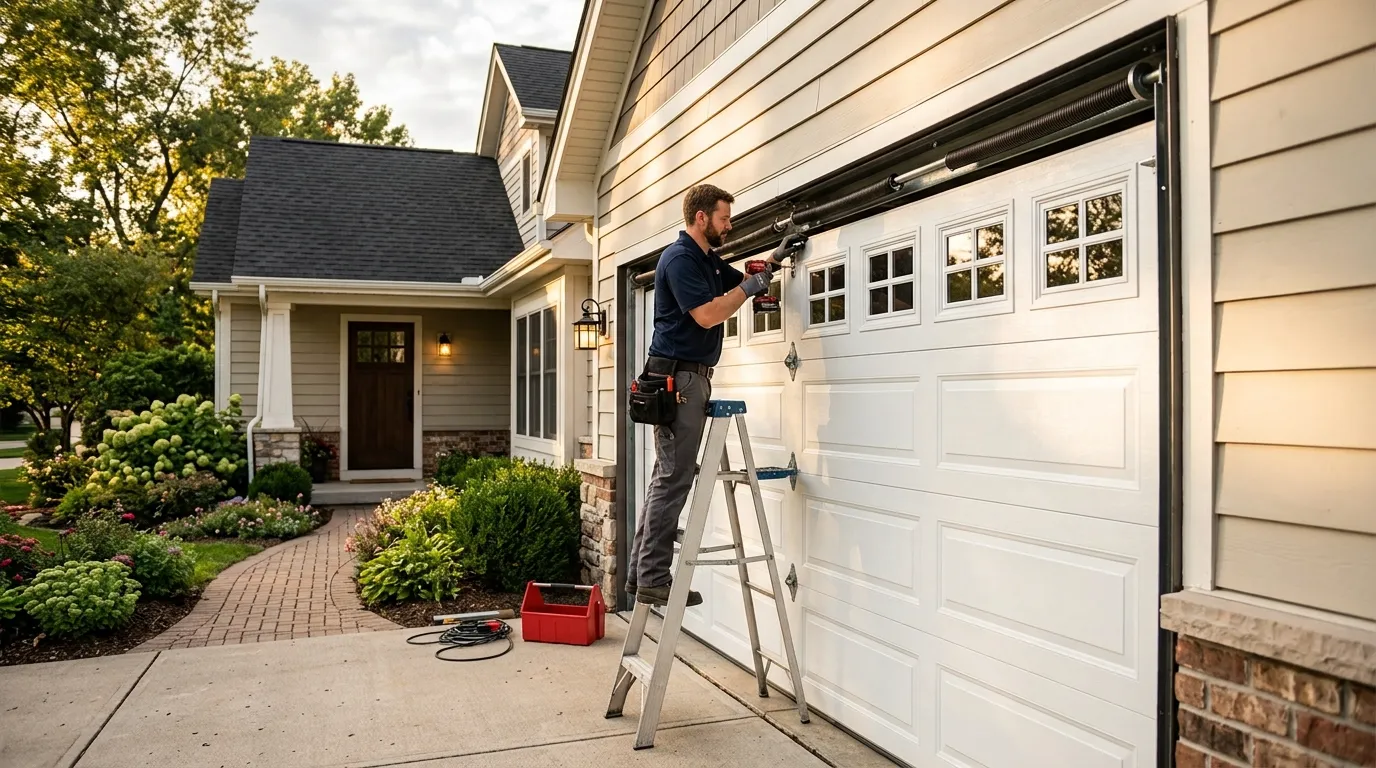
Garage Door Installation
New sectional doors sized and installed for the housing stock actually built in this area.
Learn more →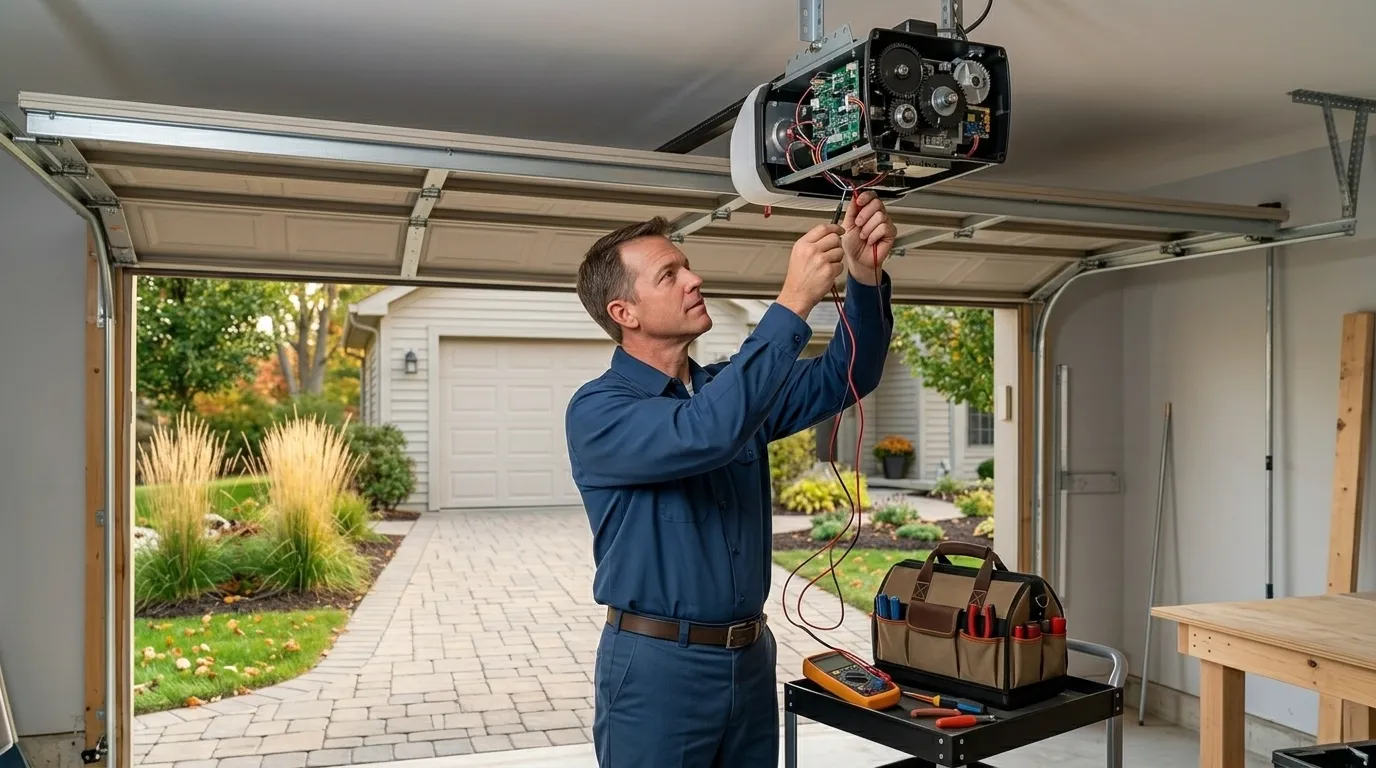
Garage Door Service
Tune-ups, lubrication, and safety checks that catch a small problem before it becomes a service call.
Learn more →What Happens When You Call
Call or Request a Quote
Tell us what the door is doing and roughly how old the house is - that alone points us toward the likely part before a truck leaves.
On-Site Diagnosis
A tech checks the spring, cables, tracks, and opener in person and tells you plainly what is actually wrong.
Straight Price, No Surprises
You get a number before any work starts. It covers parts and labor, nothing added after the fact.
Fixed the Same Visit
Most repairs are done in one trip. If a part needs sourcing, we tell you that upfront instead of guessing.
Frequently Asked Questions
Why does my garage door feel heavier than it used to?
On a lot of Lakewood houses built around 1957, the original spring and cable sizing was set for a lighter door than what's often installed today. As cables stretch and rollers wear, the imbalance gets worse gradually until the spring finally breaks. It's rarely sudden damage - it's years of mismatch catching up at once.
Do you have a shop or crew based in Lakewood?
No. We run out of Orange, about 16 miles away, and travel out to Lakewood for service calls. We don't keep a local depot here, so we're upfront about that rather than implying otherwise.
Is my old opener bracket safe for a new opener?
Not always. Houses from the 1957 era often have header framing and mounting brackets sized for lighter original doors. Before we install a new opener, we check whether that bracket can take the load, and we'll tell you if reinforcement is needed first.
Does the mild weather here mean less wear on the door?
Yes, in the sense that freeze-thaw cycling isn't a factor in this climate band. But mild weather doesn't stop hardware from aging - most of what we replace here is worn cable, stretched springs, and outdated brackets, not weather damage.
Get Your Door Fixed in Lakewood
Call now for same-area service.