
Nearby Community
Garage Door Service for Seal Beach Homes
Garage door repair for Seal Beach's 1966-era homes, 12 miles from our Orange shop. Torsion springs, rollers, and openers sized for this area's houses.
- Licensed & Insured
- Same-Area Service Calls
- Upfront Pricing
This Area's Housing
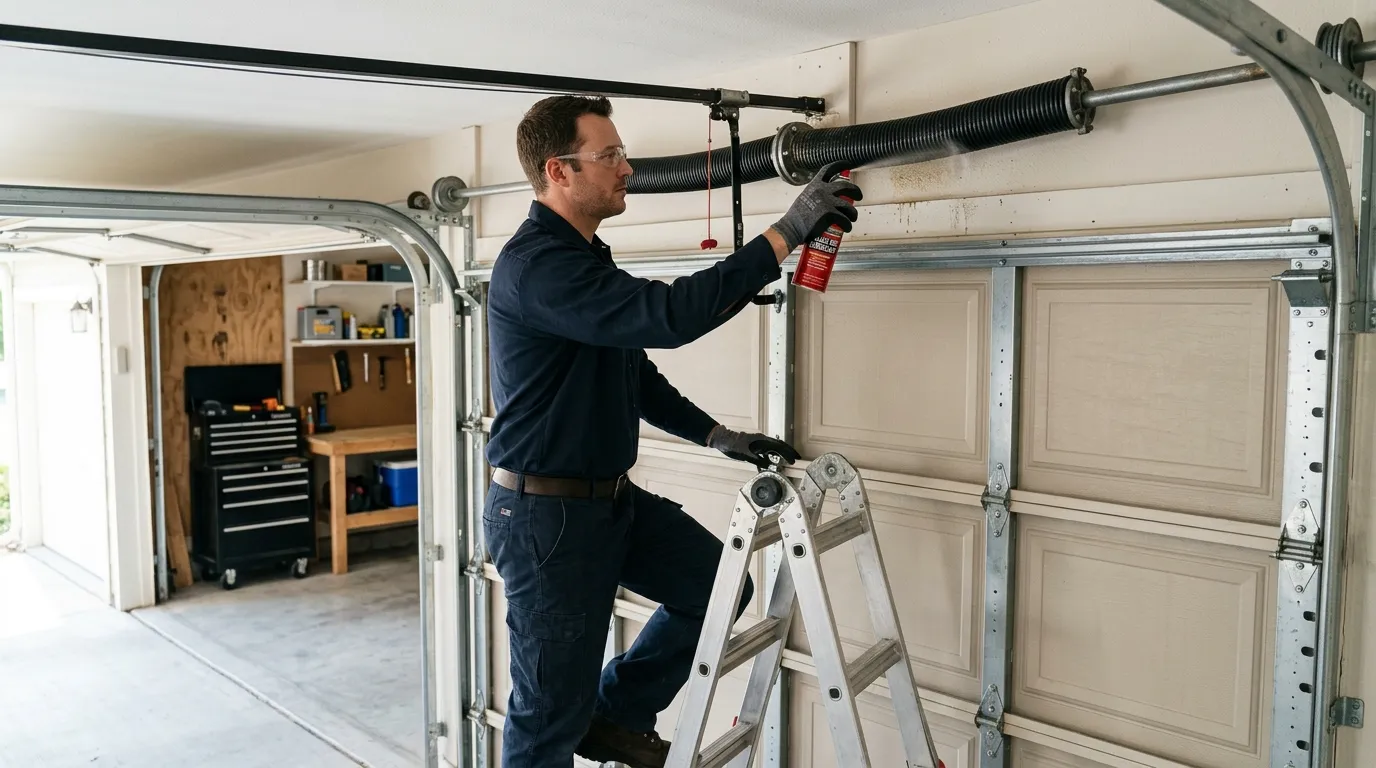
Seal Beach's housing stock centers on 1966, a couple years earlier than the wider service area's 1968 median. That's a narrow window, but it matters for garage doors: a house built in 1966 almost never came with the composite doors or the modern extension-spring setups you'd find on anything from the 1980s. It came with a steel or wood door on a torsion spring wound onto a shaft that's now pushing sixty years old.
There are 12,948 households in this area, smaller than the 555,881 across the full service area we cover out of Orange, which is part of why parts availability here can be spottier than in the newer tracts a few miles inland. Median household income here runs $83,045, below the $102,303 median for the broader area, and that gap shows up in how homeowners approach repair versus replace: more people here fix what they have rather than swap the whole door. None of that is a knock on the area.
It just means the door in front of a Seal Beach garage has a different history than one in a 1995-built subdivision, and a tech needs to know that before touching the springs.
How That Shows Up in the Door
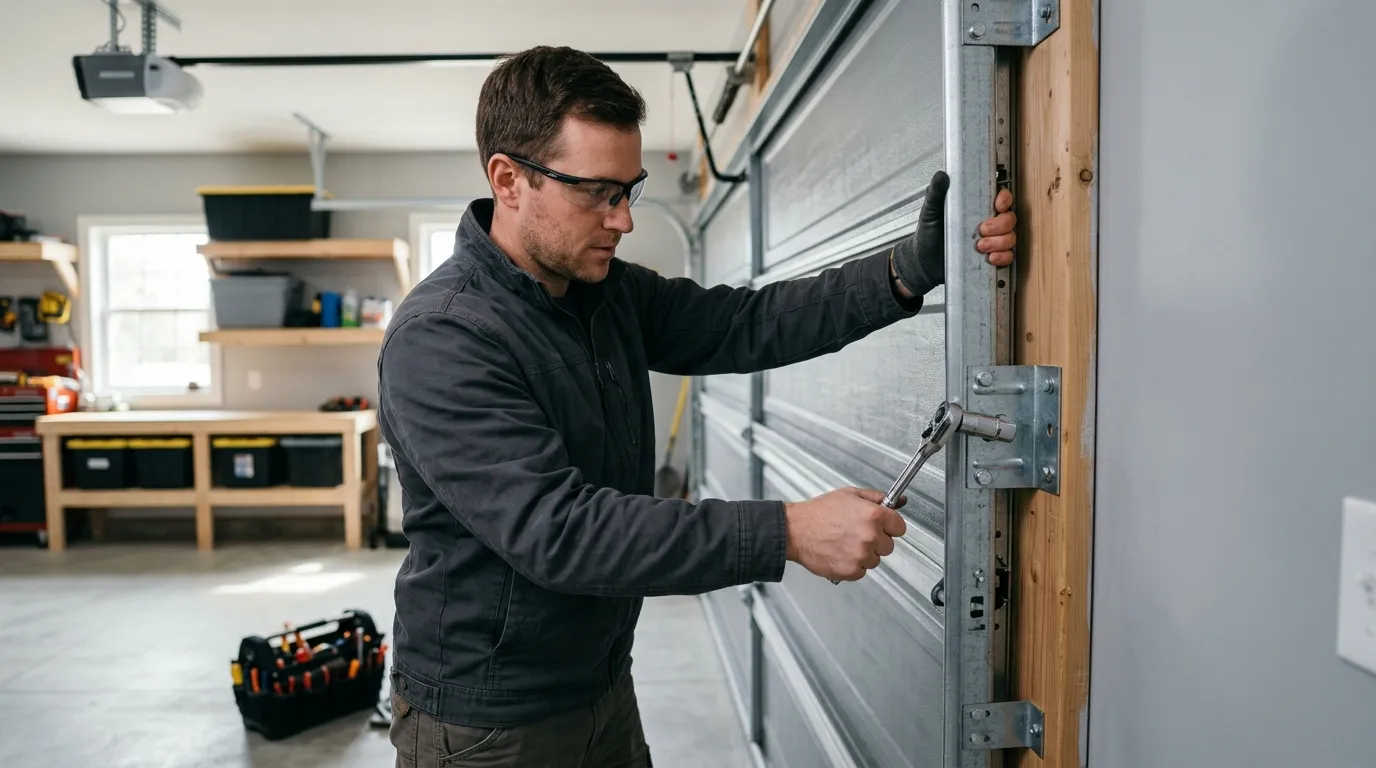
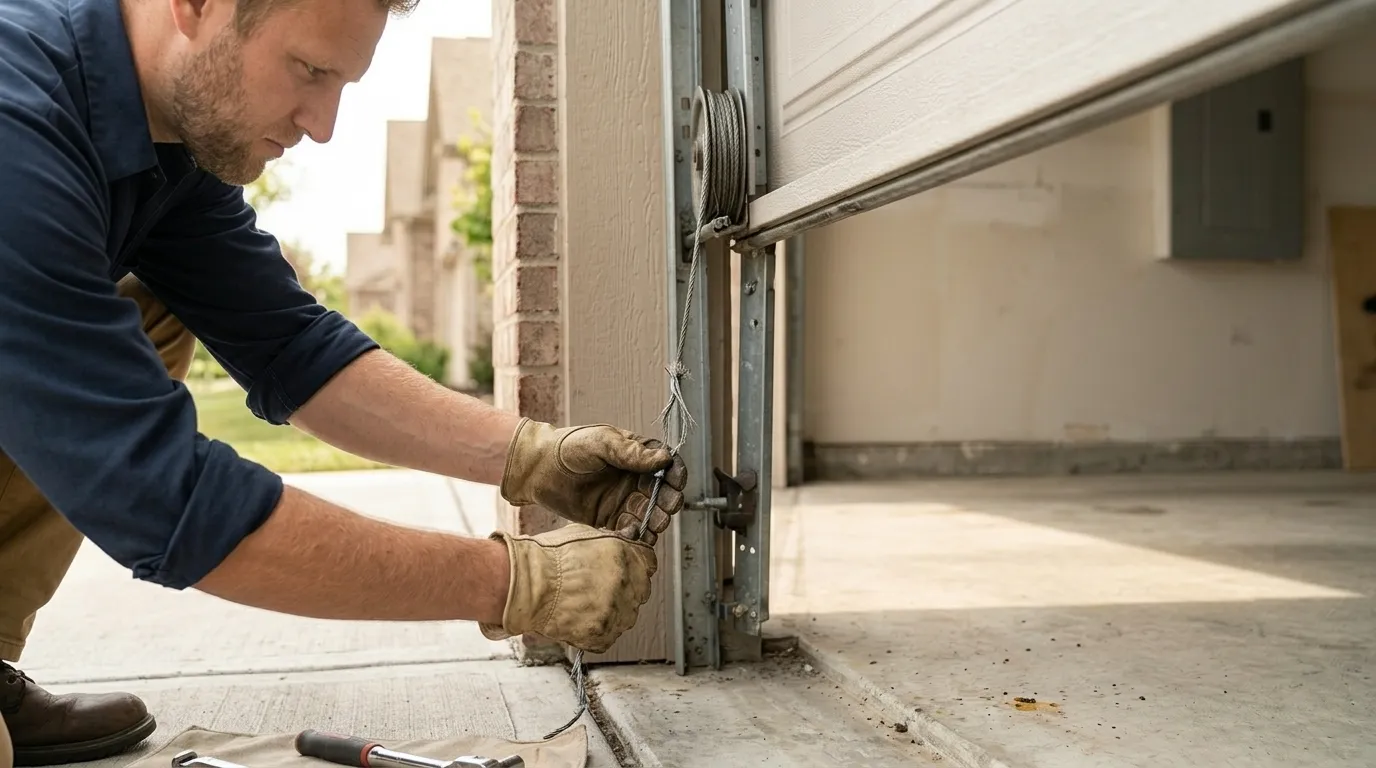
A door from the mid-1960s usually runs on a torsion spring system that's original or close to it, wound to a tension nobody wrote down. When that spring finally lets go, it goes hard, and on a door this old the drum, cable, and bearing plates are usually due for replacement at the same time, not just the spring. Track brackets on houses this age are often lag-bolted straight into old jamb framing that's shifted over the decades, so a track that looks straight can still be pulling loose at the top fixture.
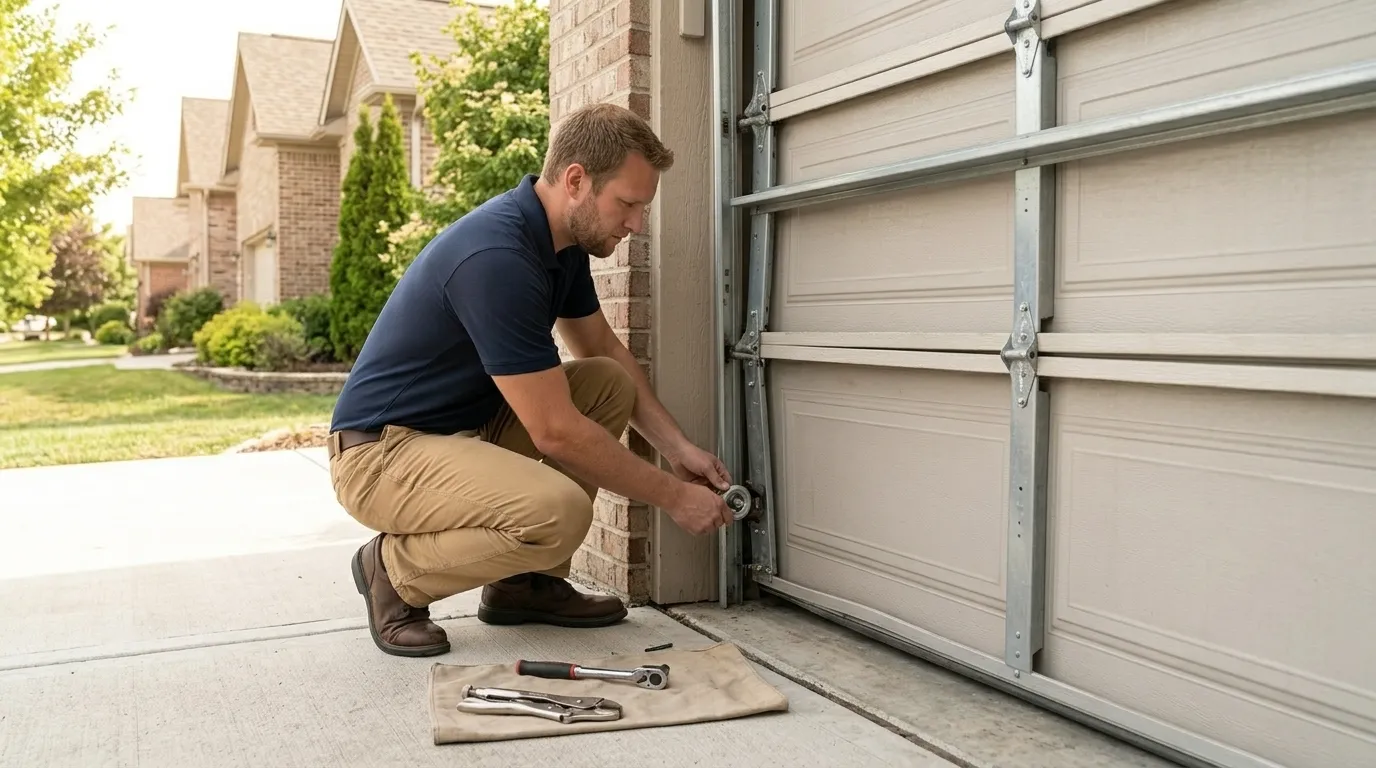
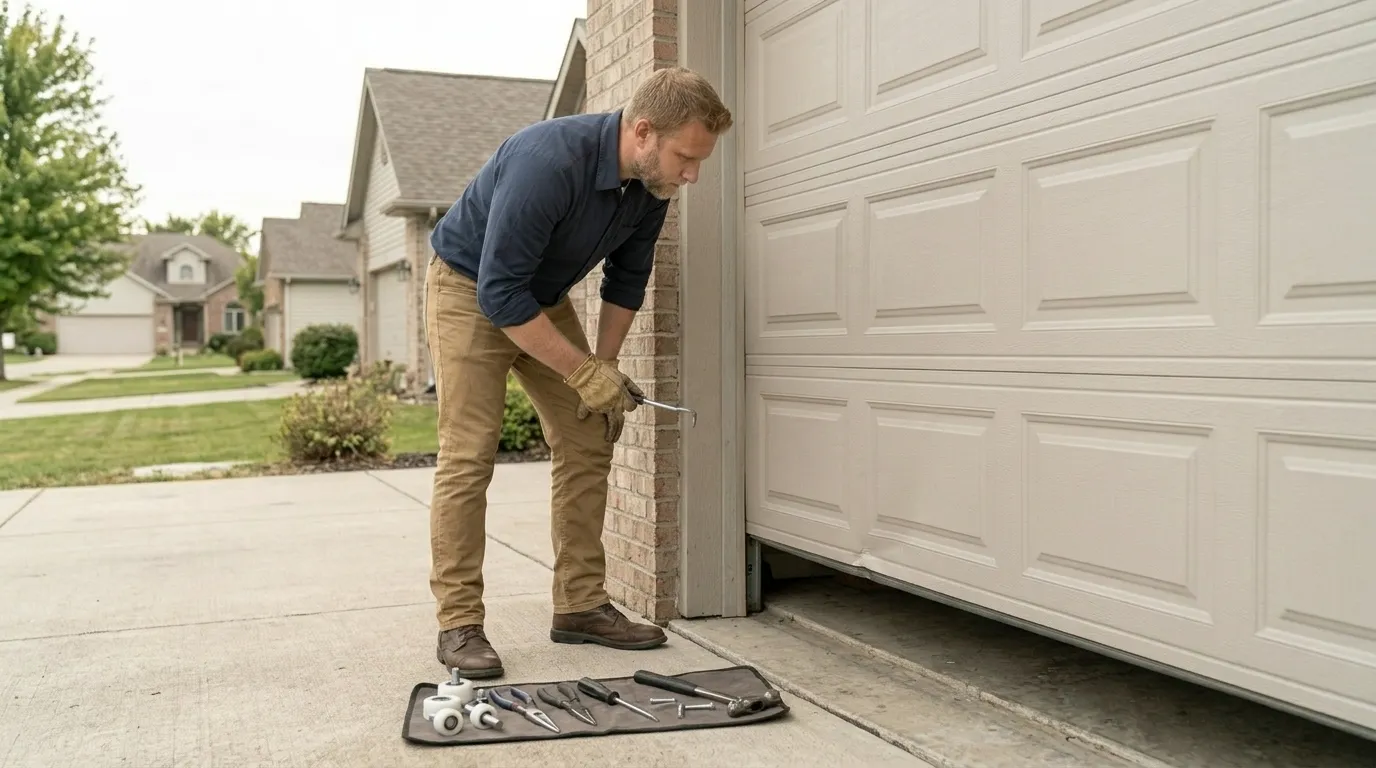
Rollers original to a 1966 door are steel-on-steel, no nylon, and they've usually worn a groove into the track by now. The mild temperate climate here is easier on hardware than a lot of the country gets - no deep freeze-thaw cycle chewing through seals or lubricant - so the failures we see tend to be plain wear and metal fatigue rather than weather damage. That's the honest tradeoff of a door this age: the climate helped it last, but sixty years of cycles still wins eventually.
Old Streets and New Ones
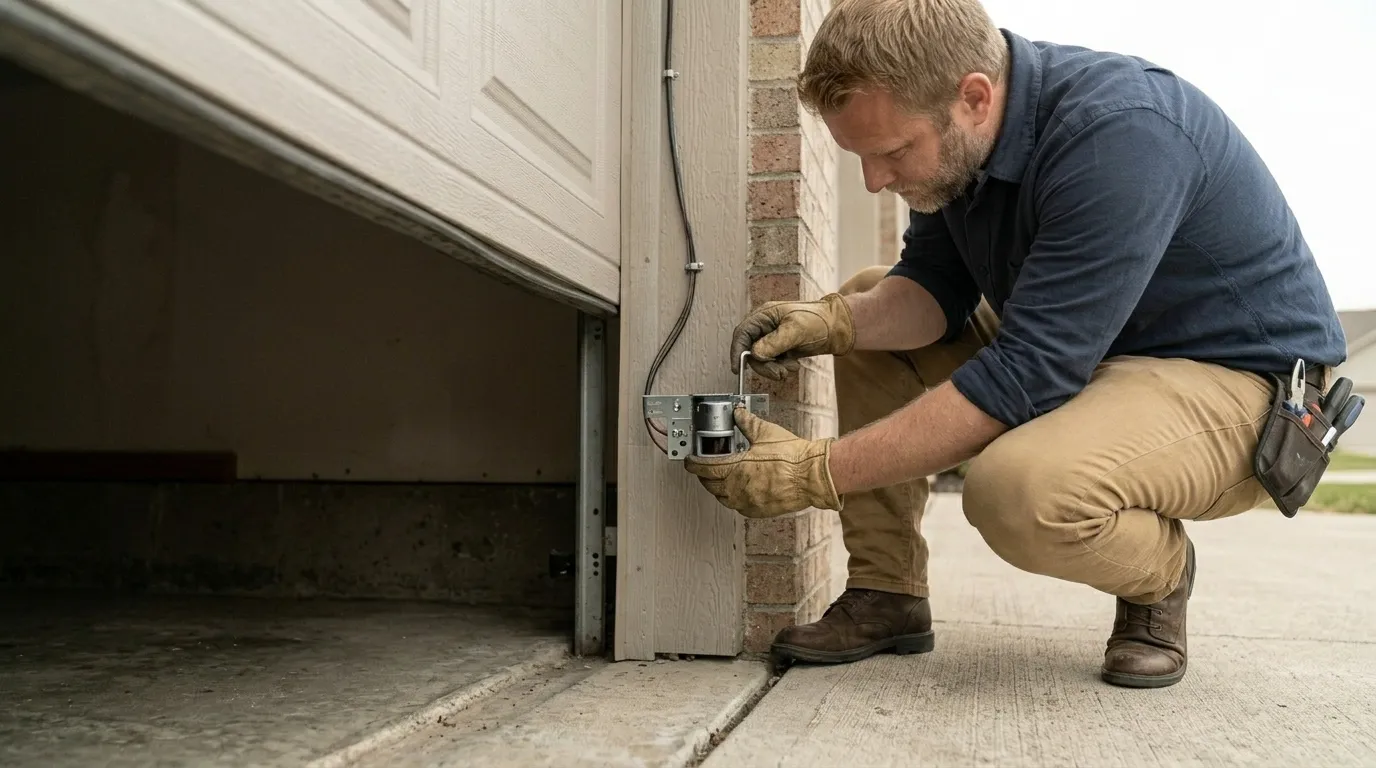
Not every block in this area dates to the same year, and the door work reflects it. On the older streets, closer to that 1966 median, you'll still find original torsion hardware and doors that have never been replaced - repair calls here are about keeping old steel moving, not upgrading it. On newer infill and rebuilt lots mixed through the area, doors are younger and the common call is opener trouble rather than spring failure, since the door itself hasn't had time to wear the way the older stock has.
We drive the 12 miles from Orange for both kinds of calls, and we bring stock hardware sized for older torsion shafts as well as parts for newer opener systems, because guessing wrong on a truck roll wastes everyone's time. One limitation worth saying plainly: on doors old enough that the spring size or drum pattern is no longer made, we may need to order a part rather than fix it same visit, and we'll tell you that up front instead of forcing a mismatched part onto the shaft.
The Usual Work Here
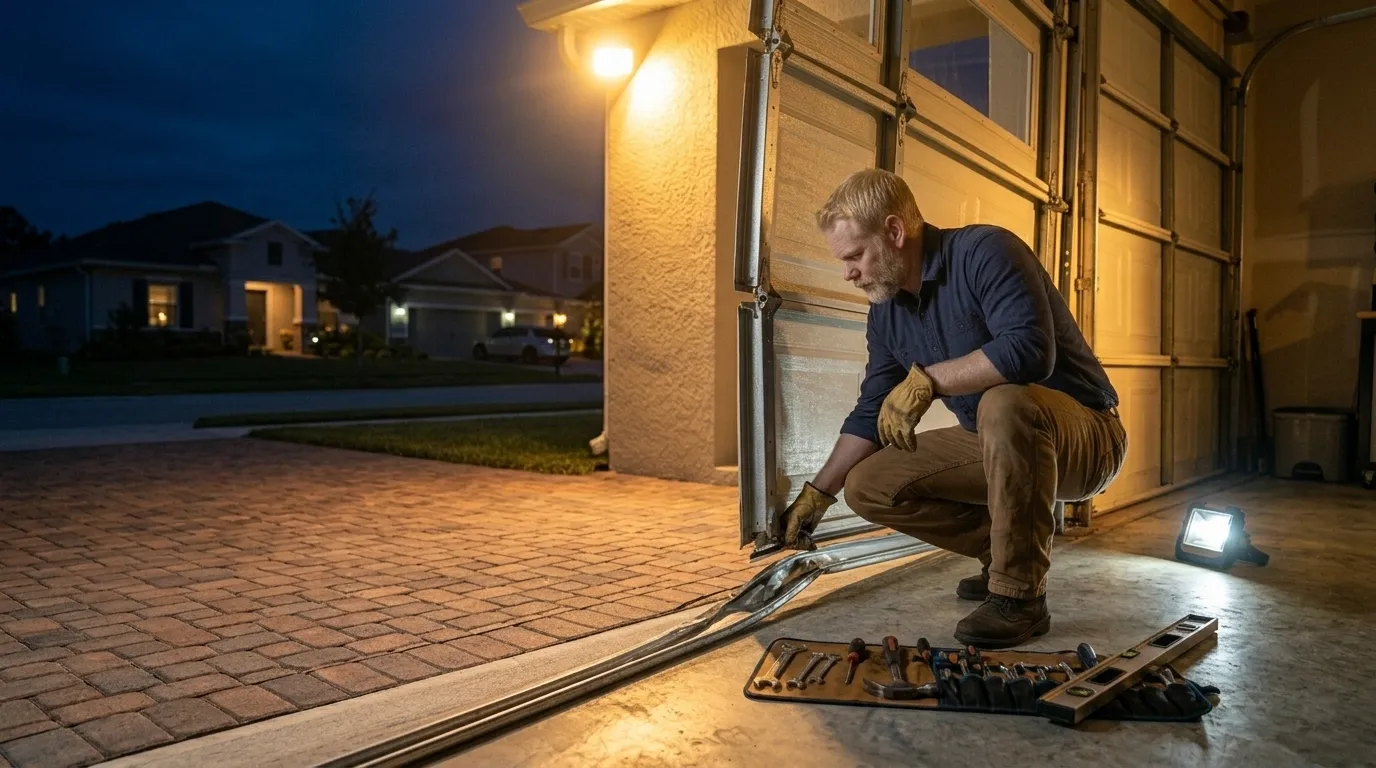
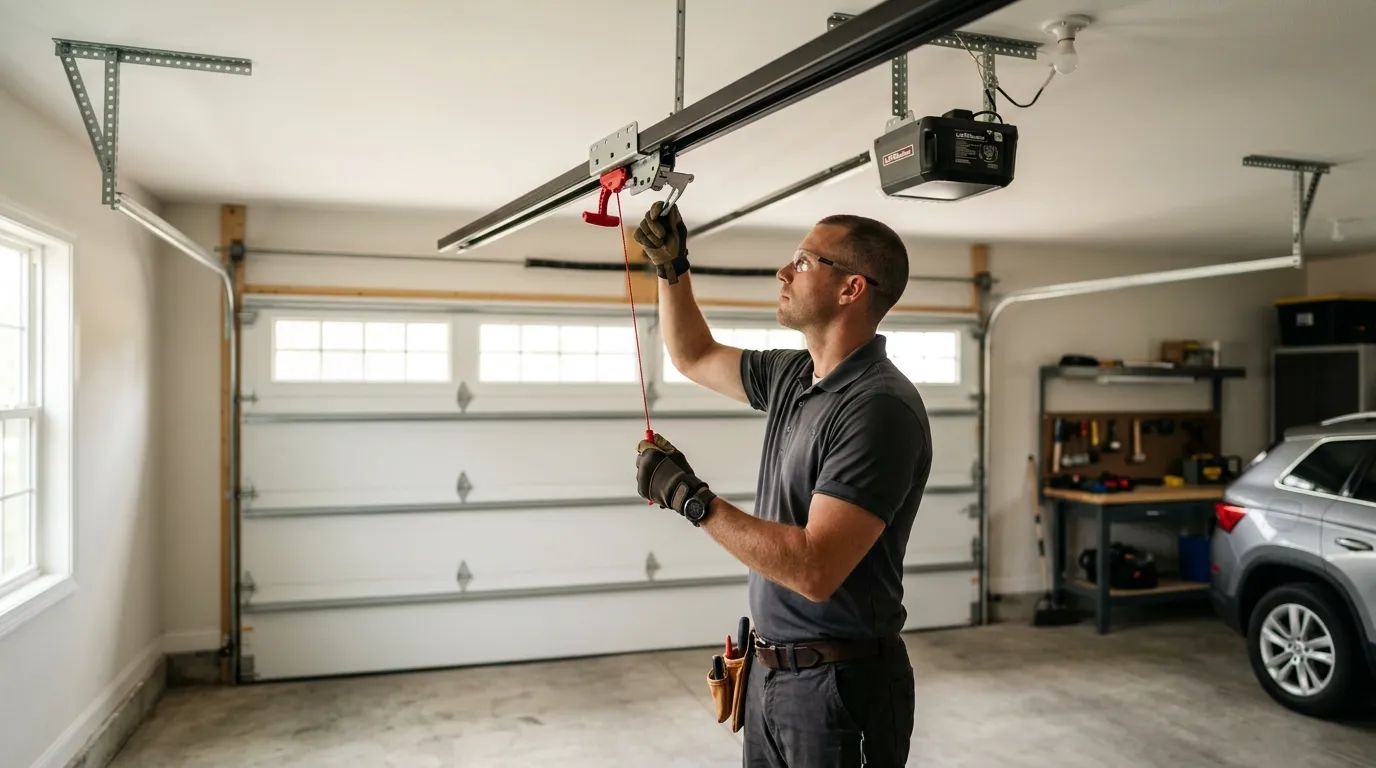
Most service calls in this area break down into a few repeat jobs. Torsion spring replacement on doors original to the 1960s build era leads the list, usually paired with roller and cable inspection since those parts age together. Opener repair and replacement comes next, split between older chain-drive units that have finally worn out their gears and newer belt-drive units with sensor or logic board faults.
Track realignment shows up on older houses where the jamb has settled slightly over decades, pulling the vertical track a few degrees out of plumb. We also get panel damage calls - dents and cracked sections from the kind of everyday contact any driveway sees - though a single damaged panel on a door this old sometimes can't be matched, and full replacement ends up cheaper than hunting down an obsolete panel. We travel the 12 miles from Orange to handle all of it; we don't keep a separate depot in this area, so scheduling is built around that drive, not a same-block presence.
Recent Work Near Seal Beach
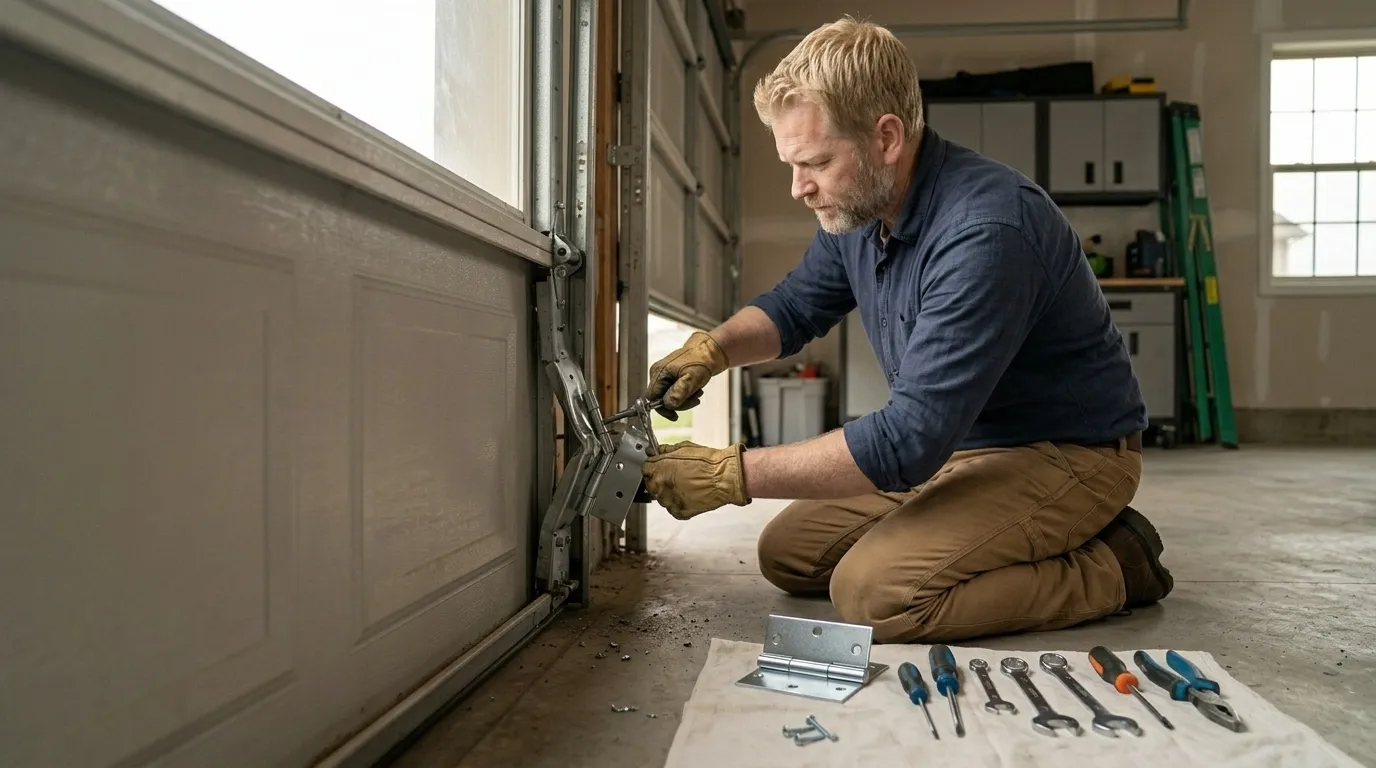
How We Can Help
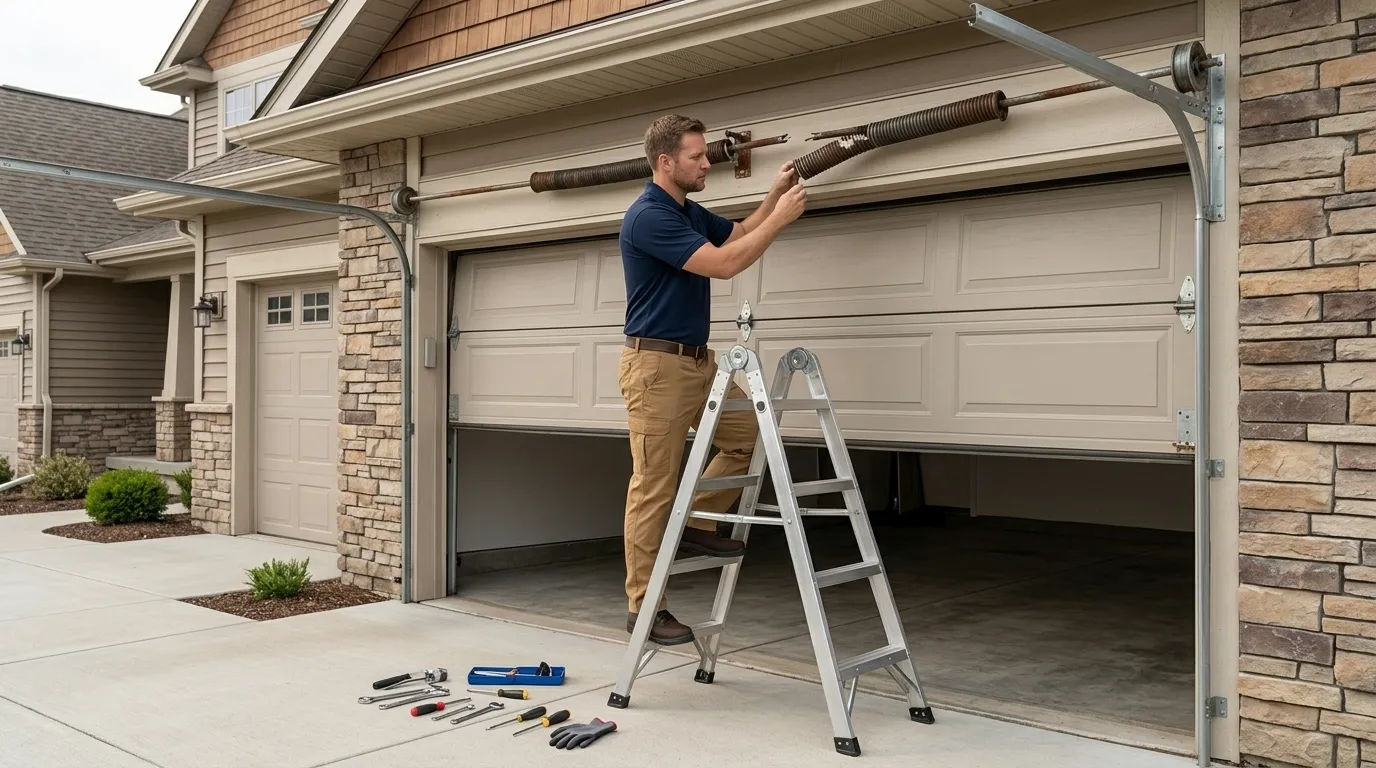
Garage Door Repair
Springs, cables, tracks, rollers, and openers fixed by a tech who explains the problem before touching anything.
Learn more →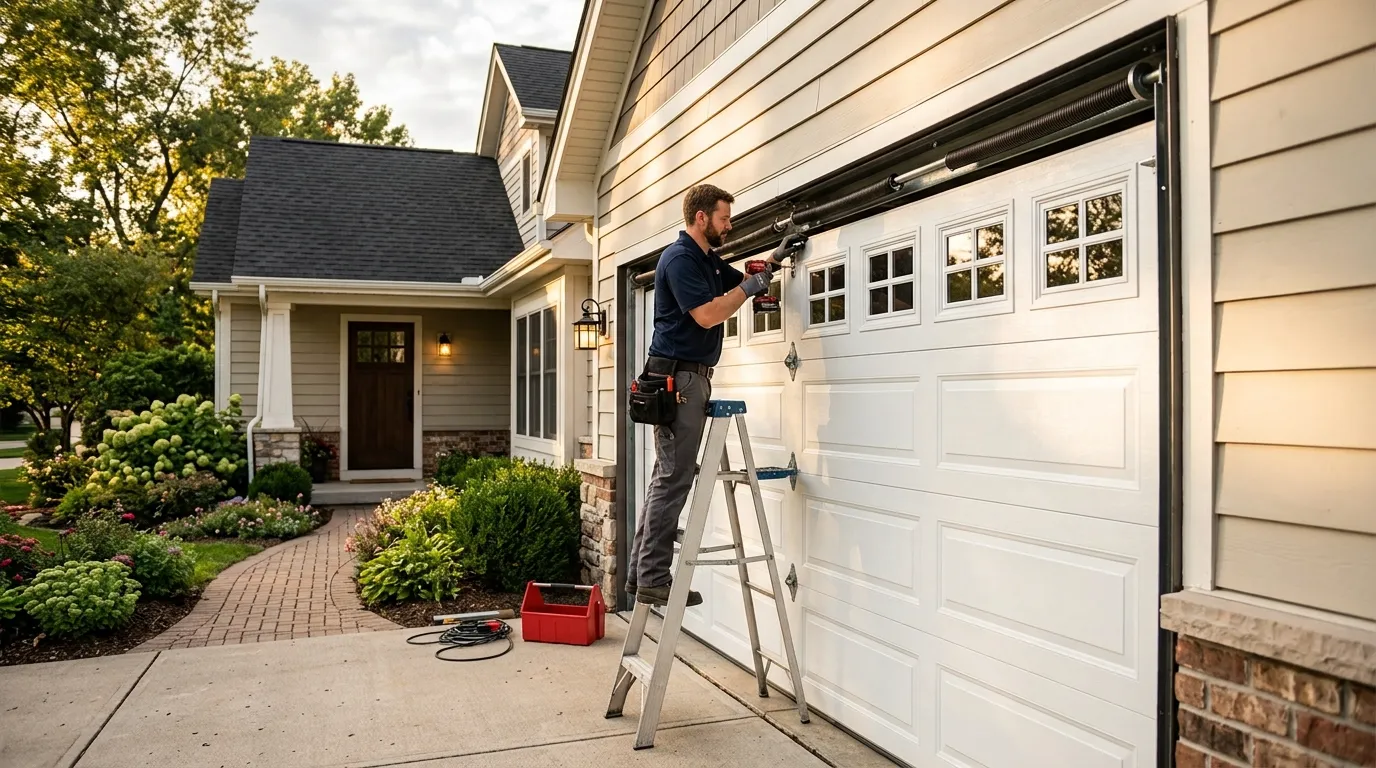
Garage Door Installation
New sectional doors sized and installed for the housing stock actually built in this area.
Learn more →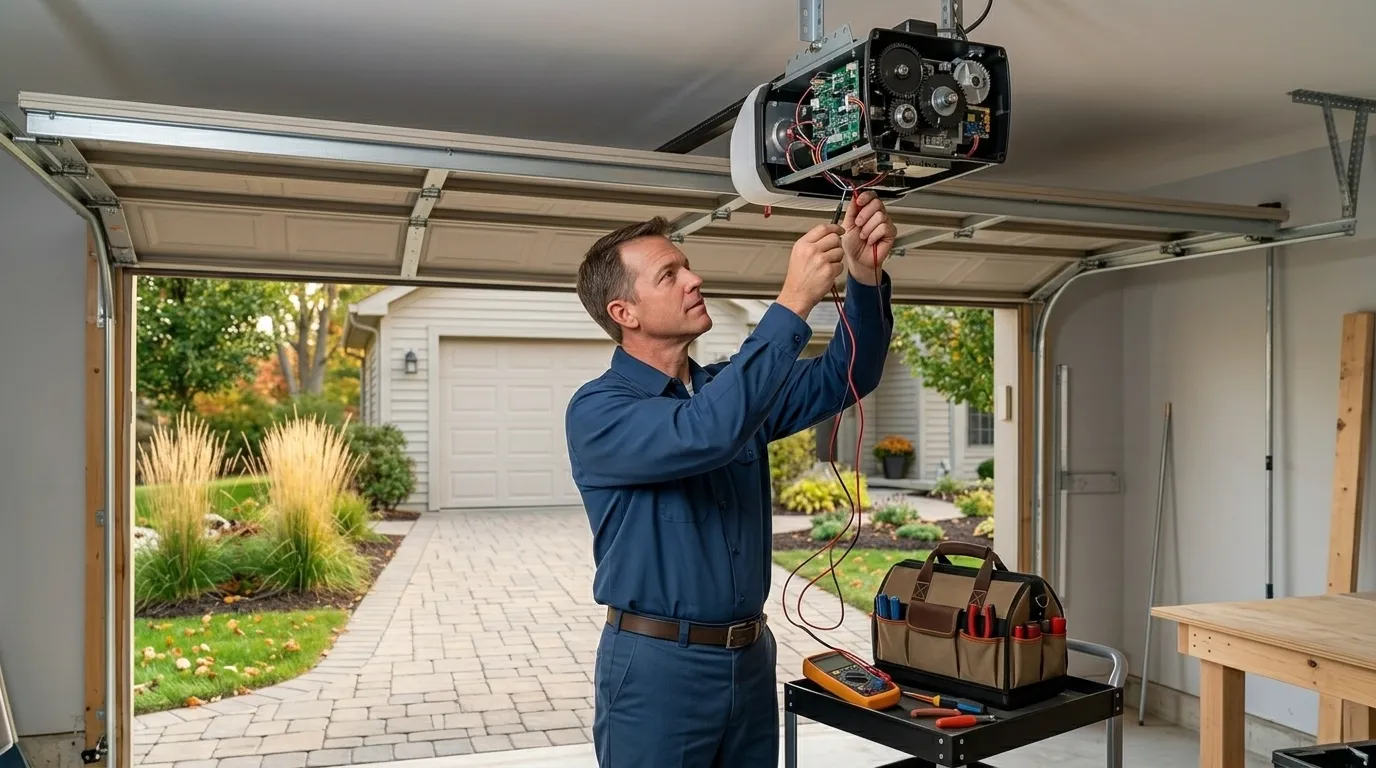
Garage Door Service
Tune-ups, lubrication, and safety checks that catch a small problem before it becomes a service call.
Learn more →What Happens When You Call
Call or Request a Quote
Tell us what the door is doing and roughly how old the house is - that alone points us toward the likely part before a truck leaves.
On-Site Diagnosis
A tech checks the spring, cables, tracks, and opener in person and tells you plainly what is actually wrong.
Straight Price, No Surprises
You get a number before any work starts. It covers parts and labor, nothing added after the fact.
Fixed the Same Visit
Most repairs are done in one trip. If a part needs sourcing, we tell you that upfront instead of guessing.
Frequently Asked Questions
Why do older Seal Beach garage doors break differently than newer ones?
Most houses here date to around 1966, which means original torsion spring systems wound decades ago, steel rollers with no nylon coating, and hardware nobody manufactures to the same spec anymore. Newer doors elsewhere in the service area run different spring counts and roller types, so the failure pattern - and the fix - looks different too.
Do you have a shop located in Seal Beach?
No. We run out of Orange, about 12 miles away, and drive out for every call. There's no separate depot or storefront in this area, so scheduling accounts for that drive time rather than a walk-in counter.
Can you always match parts for an original 1960s-era door?
Not always. Spring sizes and drum patterns from that era sometimes aren't made anymore. When that happens, we're upfront that a part needs ordering rather than forcing a mismatched piece onto the shaft, which can be a limitation depending on how the schedule lines up.
Does the coastal climate here wear out garage door hardware faster?
The mild temperate climate across this area is generally easier on hardware than places with hard freeze-thaw cycles - we see more plain metal fatigue from decades of cycling than weather-driven failure, which is part of why springs from the 1960s often last as long as they do before finally going.
Get Your Door Fixed in Seal Beach
Call now for same-area service.