
Orange Garage Door Guide
Detached and Attached Garages Don't Move the Same Way in Orange
Orange homes built mostly 1938-1995 have detached and attached garages that move differently. Here's what that means for your door, spring, and track setup.
- Licensed & Insured
- Same-Area Service Calls
- Upfront Pricing
When to Get Help
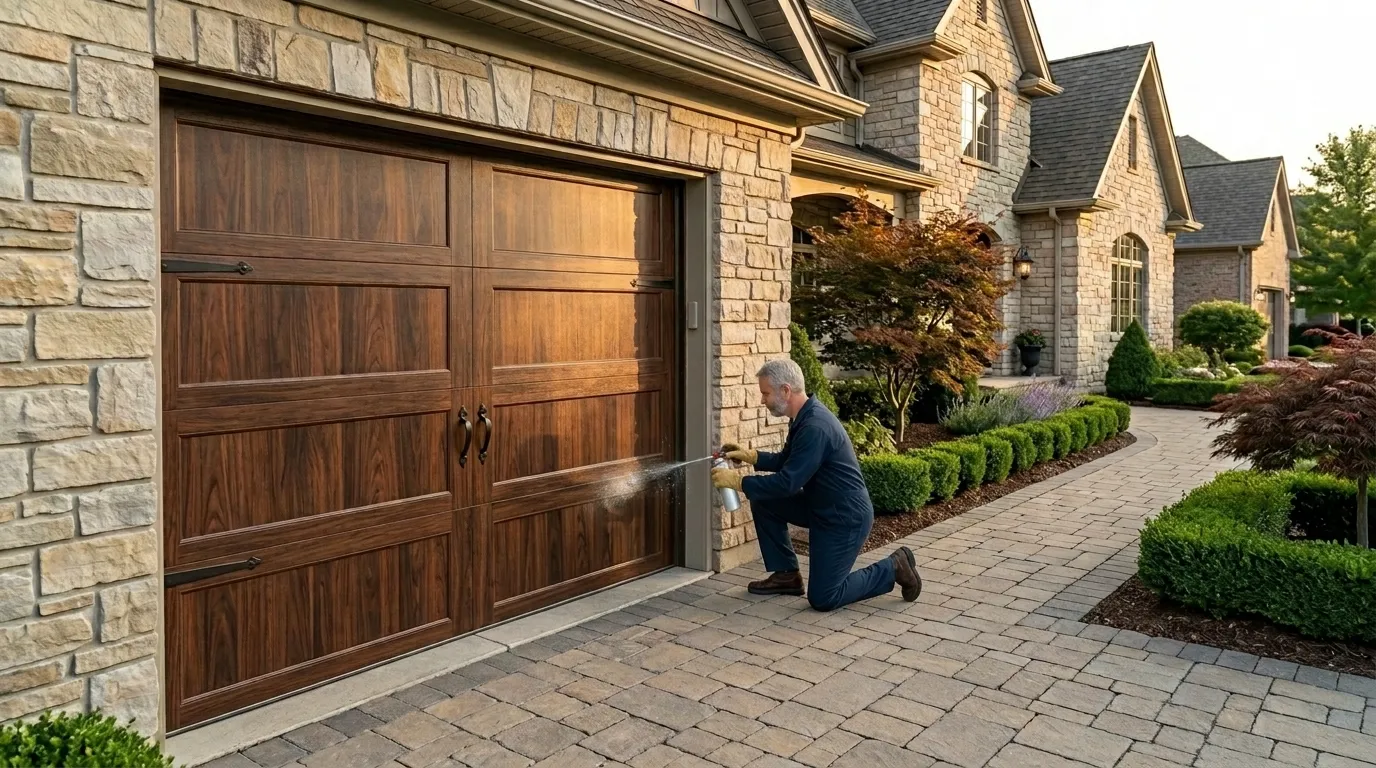
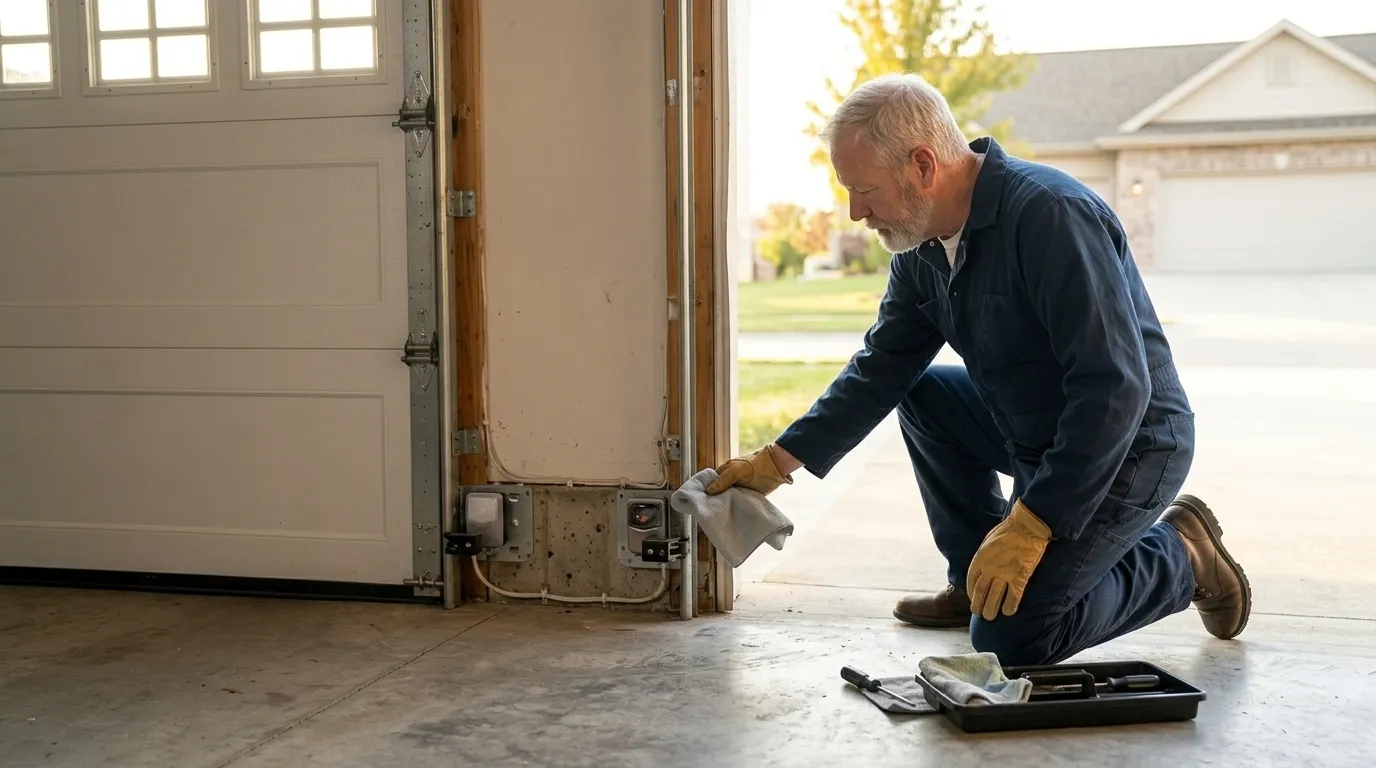
Call when the door binds on one side, when the track pulls away from the wall on a detached structure, or when an attached garage door drags along the bottom weatherstrip after a dry summer. Orange's housing stock runs from 1938 to 1995 with a median build year of 1968, so a lot of what's out there is original hardware on a foundation that's had fifty-plus years to settle. If your detached garage door has started rubbing the frame on one side only, that's usually the slab, not the door, and it's worth a look before you force anything with WD-40 and a hammer.
Same goes for an attached garage door that won't seal at the bottom anymore - that's often the house settling pulling the frame slightly out of square, not a bad installation. We don't recommend waiting until the door won't open at all. A stuck door under spring tension is a bigger job and a bigger bill than a misaligned track caught early.
What Most People Get Wrong
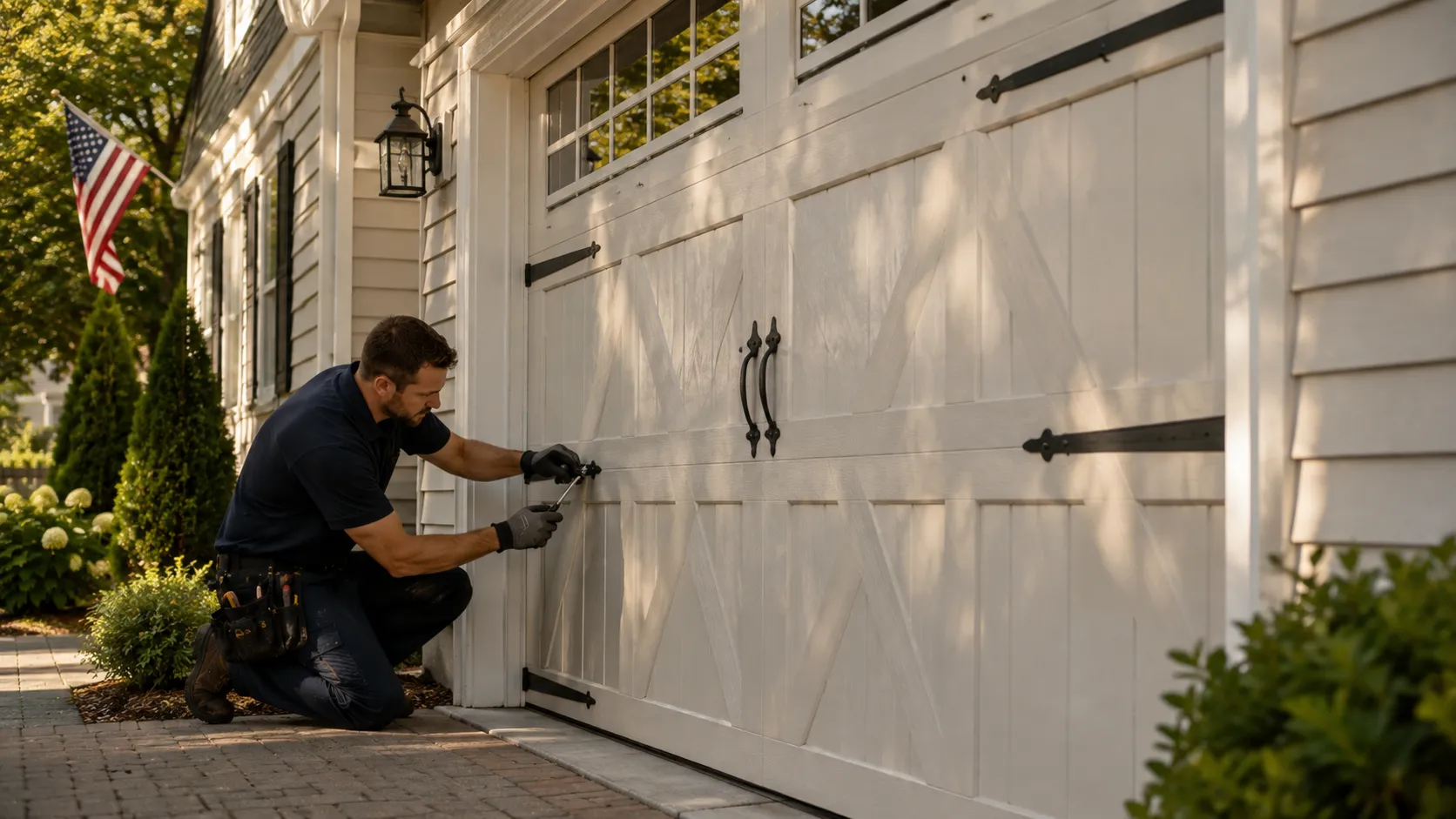
Homeowners treat detached and attached garages as the same repair. They're not, and the difference matters more in a place built on Orange's timeline than it would somewhere newer. A detached garage from the 1960s or 70s sits on its own slab, independent of the house.
When that slab shifts - even a little, even in Orange's mild temperate climate where we don't get frost heave - the door frame racks out of square on its own schedule, unrelated to anything happening at the house. An attached garage door, by contrast, is tied into the home's structure. When the house settles, the garage door opening settles with it, usually pulling one top corner out of square while the other stays put.
People replace rollers and springs on a detached door when the real issue is a foundation that needs shimming under the track. Or they blame the opener on an attached door when the frame itself has racked half an inch out of plumb. Diagnosing which kind of movement you're dealing with is most of the job before any parts get touched.
What Is Going On
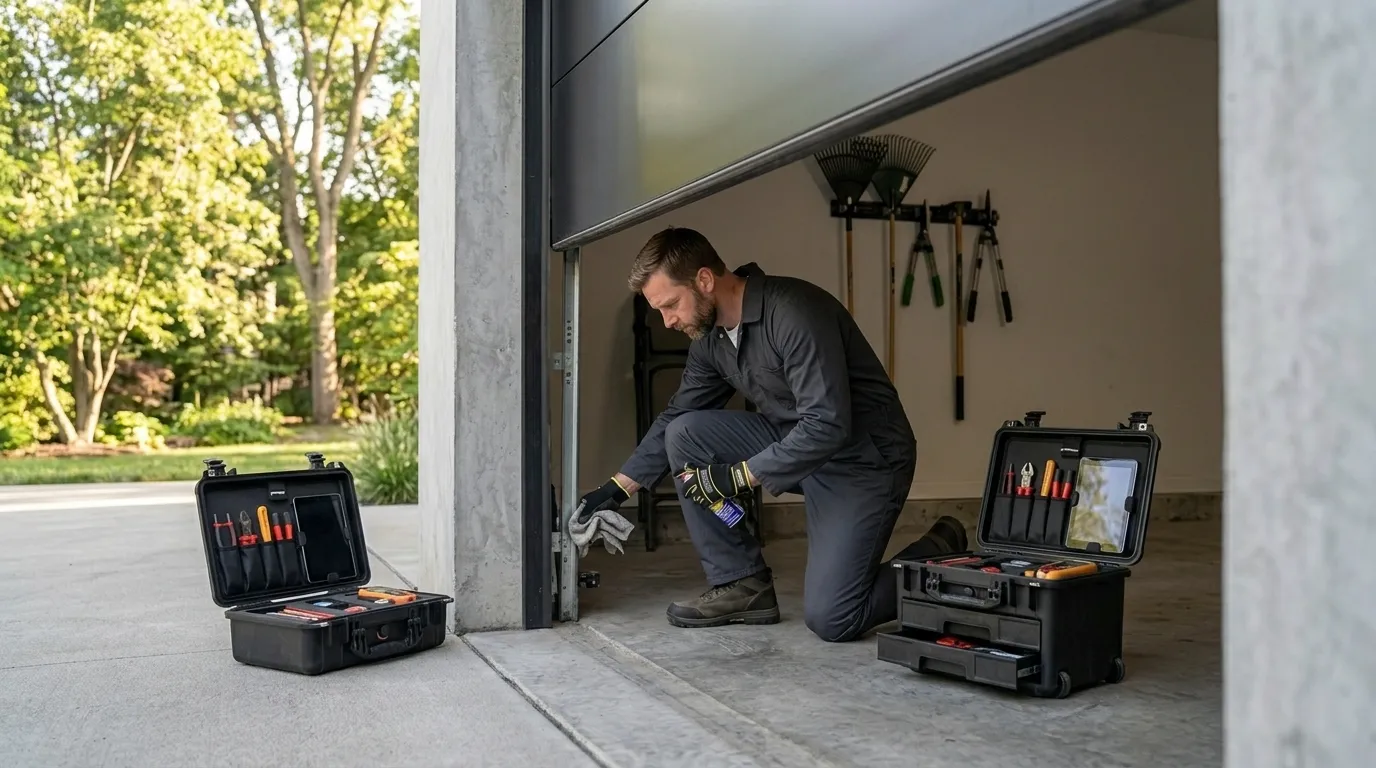
Across the 47 named areas in this service territory, most garages date to that same 1938-1995 window, with the bulk clustering in the 1960s and 70s. Detached garages from that era were usually built as standalone structures with their own footing, poured separately from the house slab. Over decades, that footing moves at its own rate - sometimes faster, sometimes slower than the house next to it.
That's why a detached door can develop a lean or a gap that the attached garage next door never sees. Attached garages, built into the original house frame, inherit whatever settling the house itself does. A door that used to close flush and now leaves daylight at one corner is telling you something about the house, not just the door.
Neither problem is dramatic on its own, but ignored long enough, both wear out rollers, hinges, and eventually the opener motor trying to force a door through a frame it doesn't fit anymore.
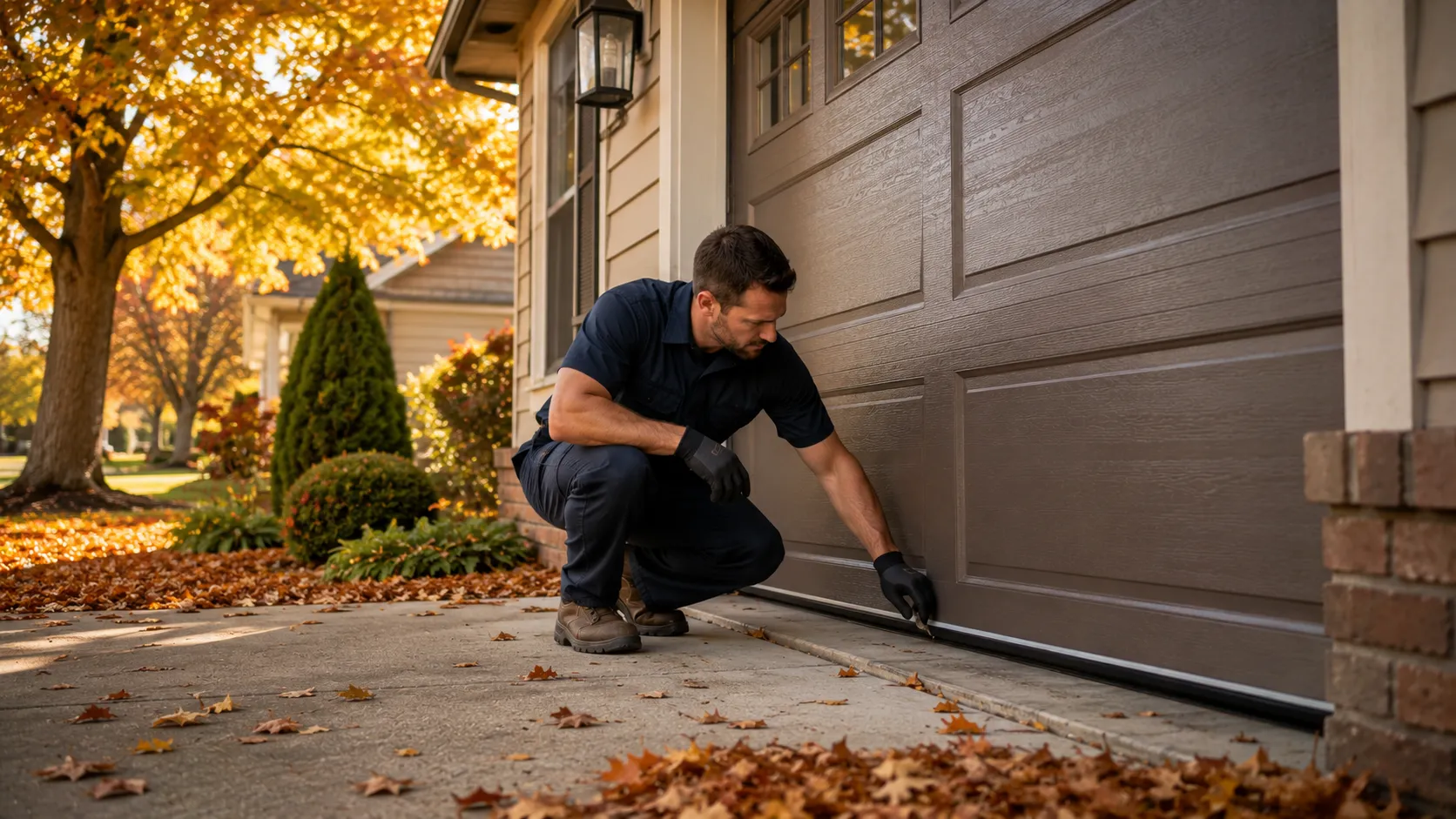
What Local Conditions Do
Orange sits in a mild temperate band, so you're not fighting the freeze-thaw cycles that crack slabs and heave footings in colder parts of the country. That's the good news, and it's genuinely one reason doors here tend to last longer between major repairs than in places with hard winters. The trade-off is sun and heat cycling on detached structures, especially older wood-frame garages from the 1960s stock, which can dry and shrink slightly over the years, opening small gaps at the track mounts.
We see it on detached units more than attached ones, since an attached garage gets some shade and thermal buffering from the house itself. From Villa Park four miles out to North Tustin at about the same distance, and further out toward Placentia and Stanton, the pattern holds across the same building era. We don't do foundation repair - if a slab needs releveling, that's a call to a foundation contractor first, and we're glad to look at the door again once that's done.
How We Can Help
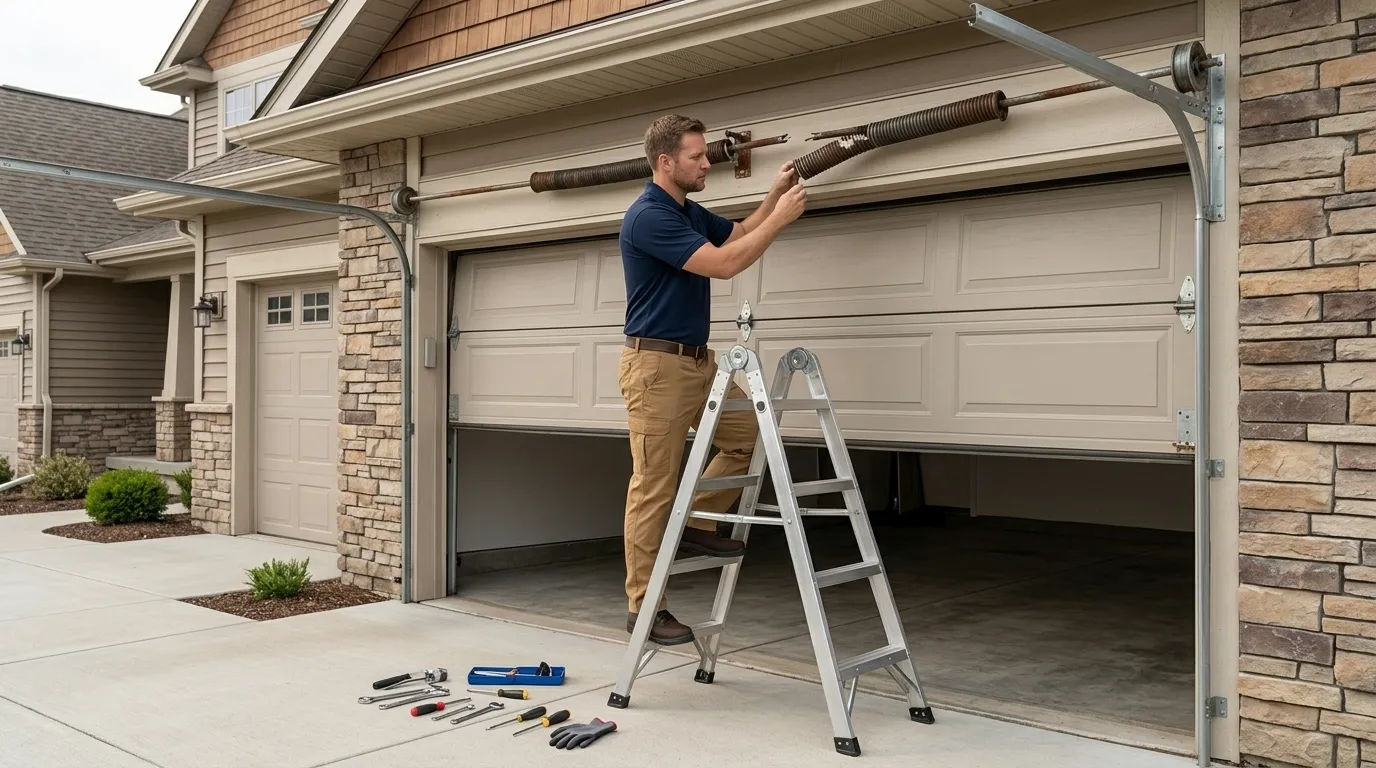
Garage Door Repair
Springs, cables, tracks, rollers, and openers fixed by a tech who explains the problem before touching anything.
Learn more →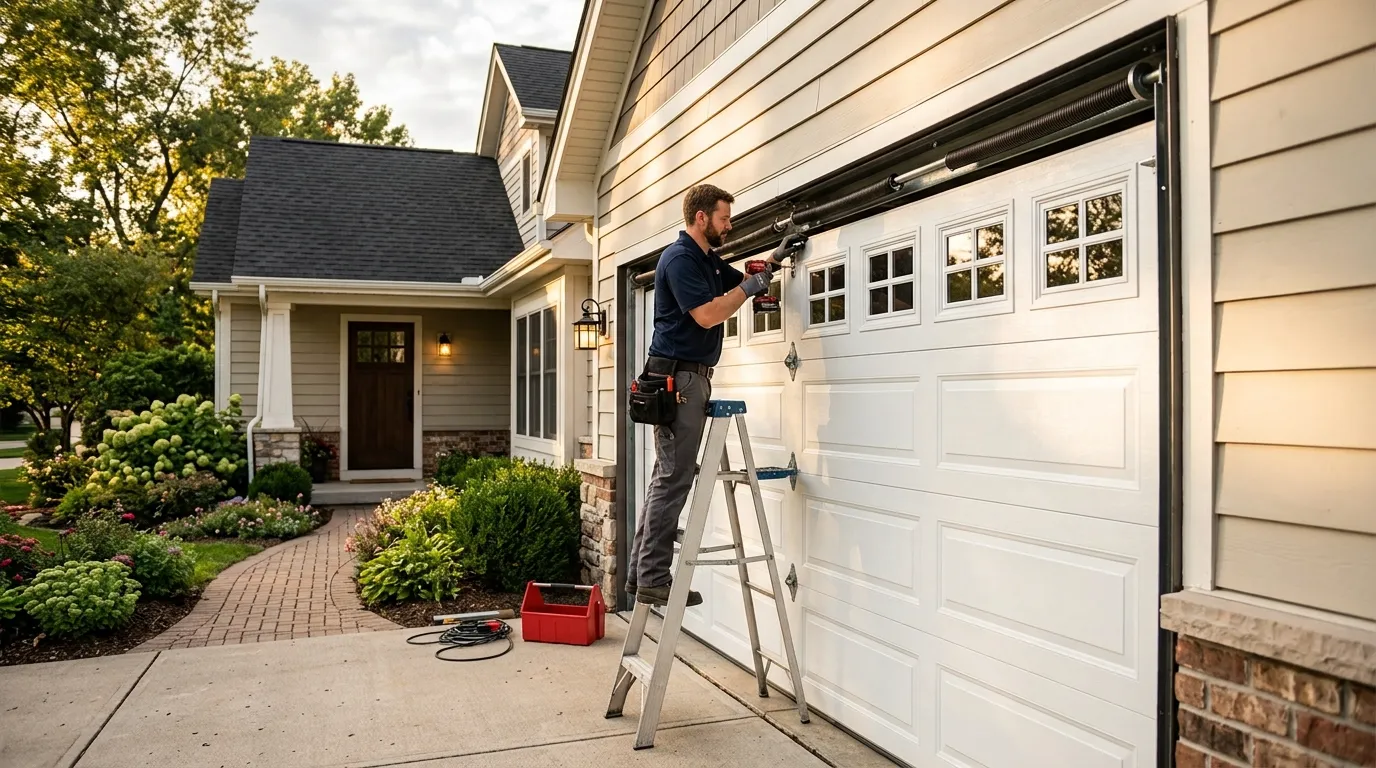
Garage Door Installation
New sectional doors sized and installed for the housing stock actually built in this area.
Learn more →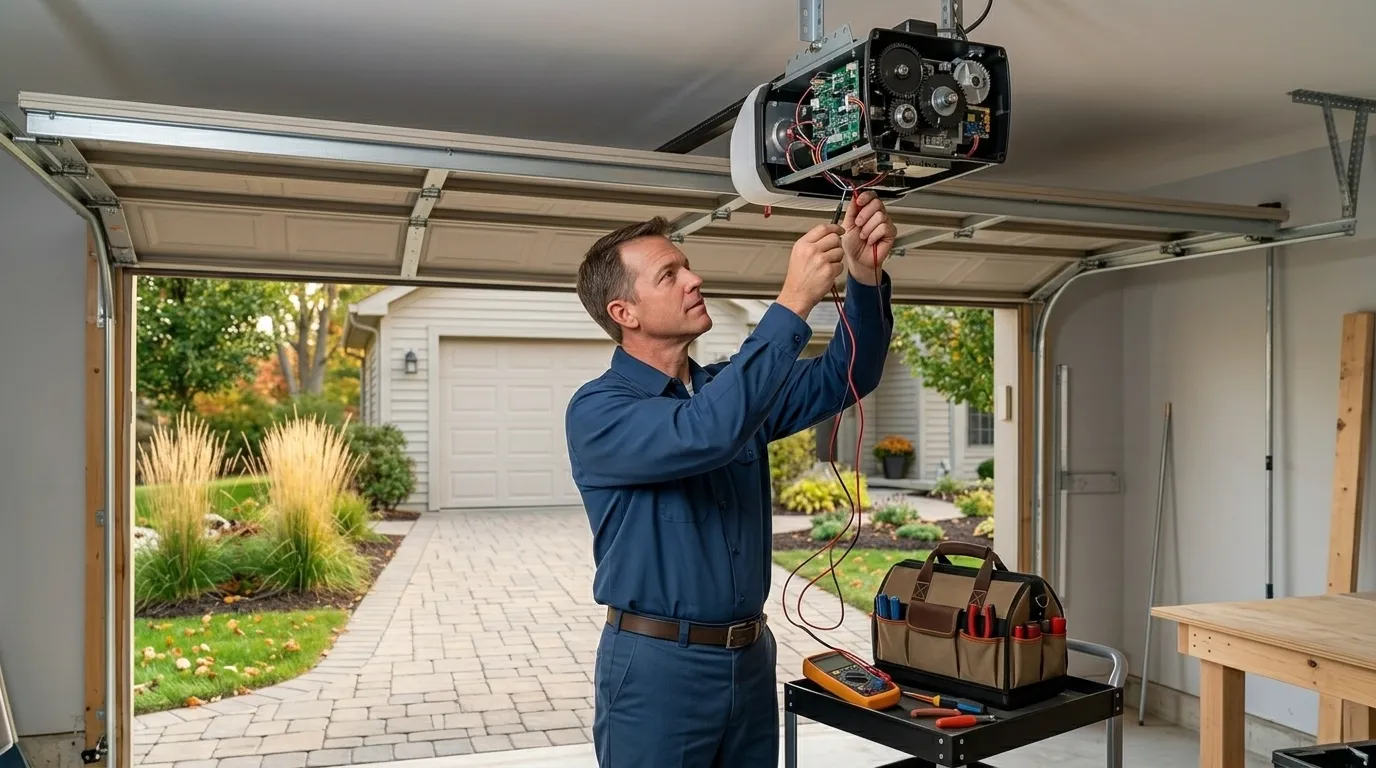
Garage Door Service
Tune-ups, lubrication, and safety checks that catch a small problem before it becomes a service call.
Learn more →Frequently Asked Questions
Why does my detached garage door bind on one side but my house doors are fine?
Your detached garage sits on its own slab, separate from the house foundation. In Orange, where most garages date to the 1960s-70s, that slab has had decades to settle at its own rate, independent of the house. A bind on one side usually means the frame has racked slightly out of square with the footing beneath it, not a problem with the door panels themselves.
Does Orange's climate cause garage door problems?
Not in the way cold climates do - we don't get frost heave here since Orange sits in a mild temperate band. What we do see is sun and heat cycling drying out older wood-frame garages, which can loosen track mounts over time, especially on detached structures with less shade than an attached garage gets from the house.
Is an attached garage door repair different from a detached one?
Yes. An attached garage is tied into the house frame, so when the house settles, the garage opening settles with it, often racking one top corner. A detached garage moves independently on its own footing. Same symptom - a door that won't seal or binds - but a different cause, so the fix is different too.
Have a Door That Needs a Second Opinion?
Call and describe what it is doing - we will tell you what it likely is.