
Orange Garage Door Guide
The First Five Minutes of a Garage Door Call in Orange
Most Orange homes were built between 1938 and 1995, median 1968 - original hardware behaves differently. Here's what we look at first on a service call.
- Licensed & Insured
- Same-Area Service Calls
- Upfront Pricing
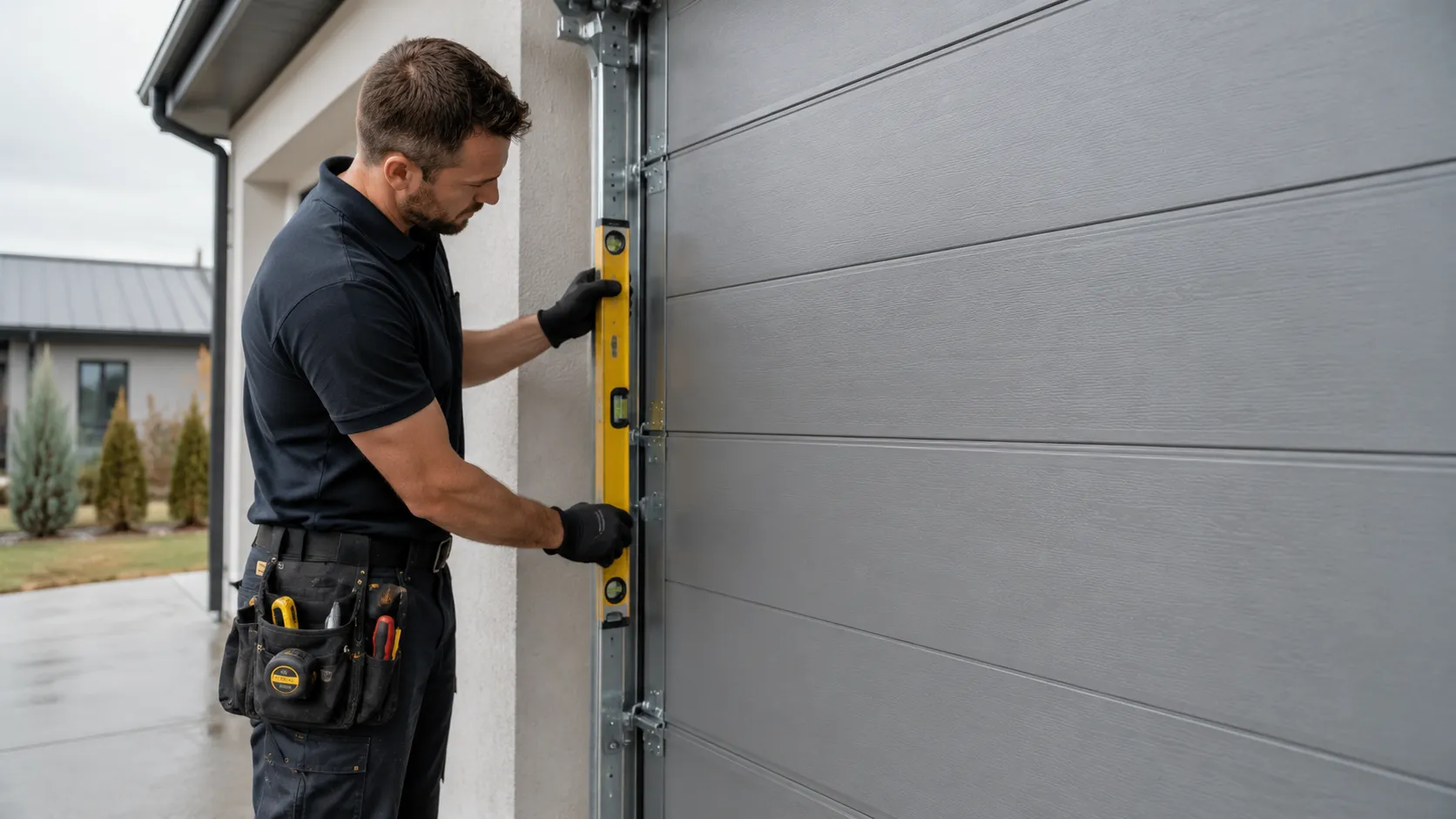
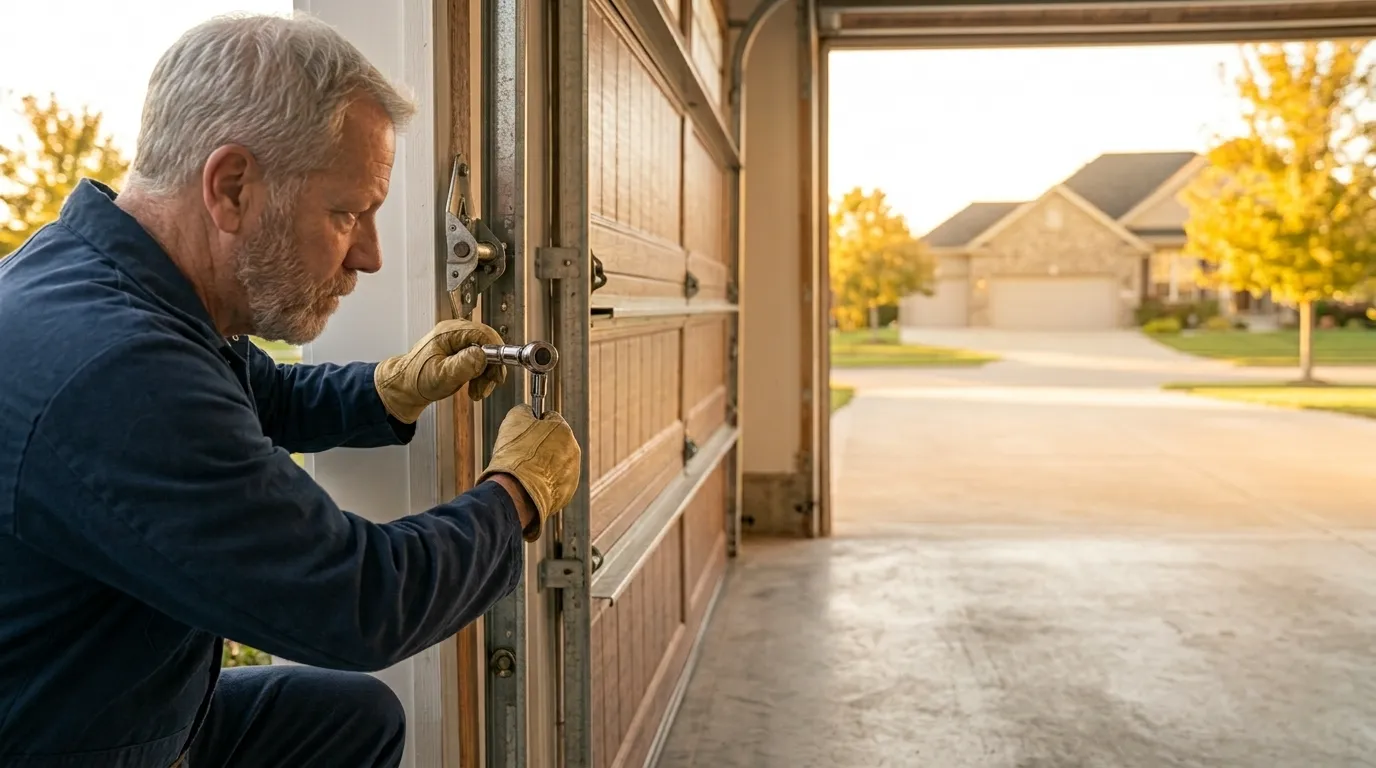
When to Get Help
Call before the door fails all the way, not after. A door that's noisy, slow, or off-center on a house built in the 1960s or 70s - which describes a lot of the stock here, since median build year across this area sits around 1968 - is usually a spring or hardware problem, not an opener problem, even though the opener is what people blame. If the door reverses on its own, drops without warning, or the cable has visibly frayed, that's a same-day call, not a wait-and-see.
If it's just louder than it used to be, you have more room to schedule around your week. One honest note: if a technician gets there and finds the track bent from age rather than impact, straightening it is often a short-term fix at best - replacement track is usually the better use of your money, and we'll say so instead of billing you twice.
What Most People Get Wrong
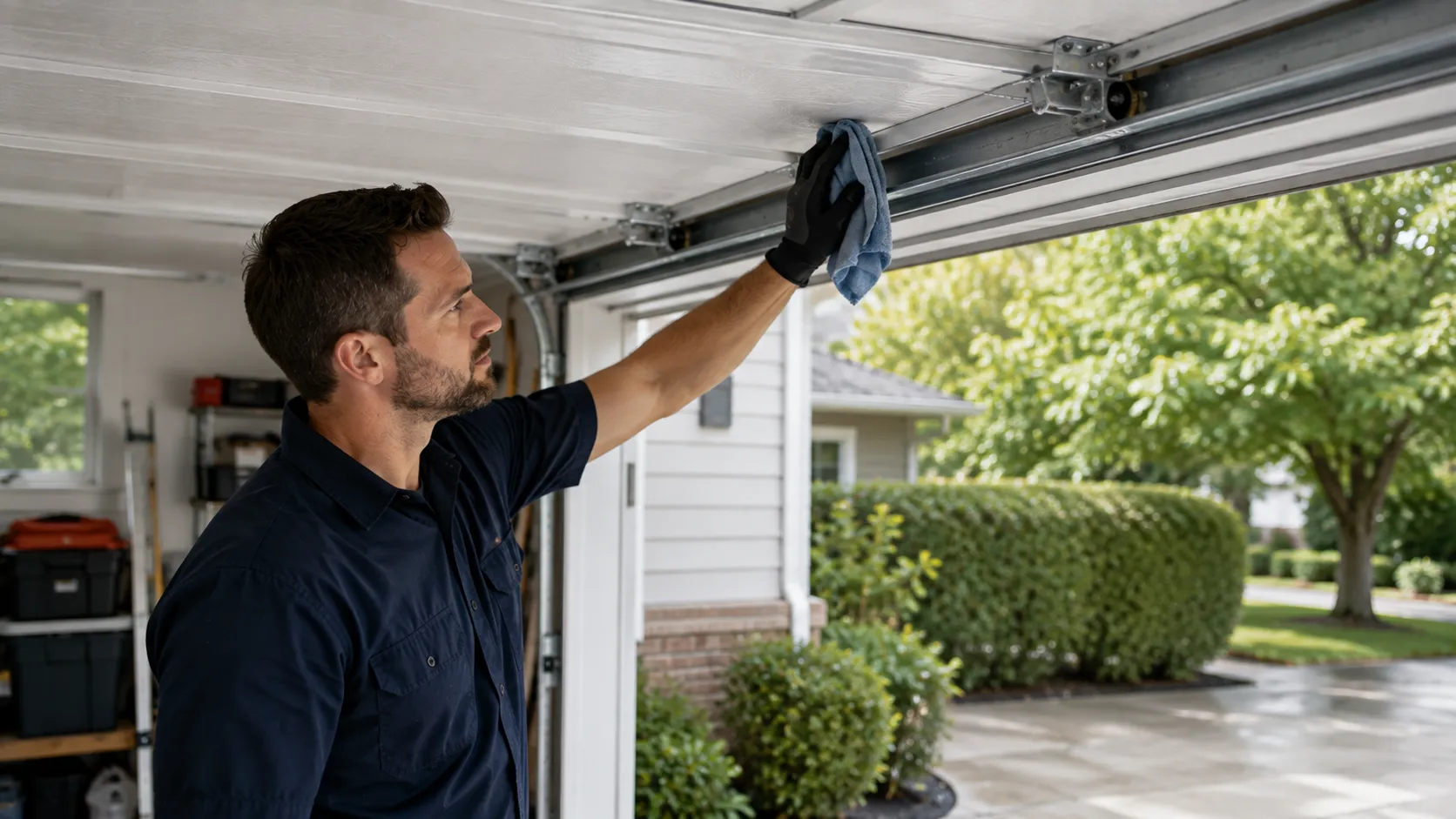
The most common mistake is assuming a noisy or sticking door means a bad opener. On houses in the 1938 to 1995 build range that make up most of this area, the opener is often the newest part on the door - homeowners replace it once and never touch the springs, drums, or hinges underneath it, which are original or close to it. A tech checks the opener last, not first, because swapping it rarely fixes a door that's actually failing at the spring or roller.
The second mistake is ignoring a slow-closing door because it still closes. Slow travel on an older torsion setup is usually spring fatigue, and springs don't fail gently - they fail on the day you need the door most, often with the car halfway in the bay.
What Is Going On
With housing here mostly dating to the 1960s and 70s, and reaching back as far as 1938 in older pockets, a lot of the doors and openers a technician sees haven't been touched since they were installed. Original torsion springs are rated for a set number of cycles, and once a house passes the 40- or 50-year mark, that spring has usually been opened and closed well past its rated life, whether or not it's ever failed outright.
A tech starts by counting turns on the spring, checking the drums for wear, and looking at whether the track and hardware match the age of the house or were replaced at some point. That tells us more about what's actually going to fail next than the symptom the homeowner called about.
What Local Conditions Do
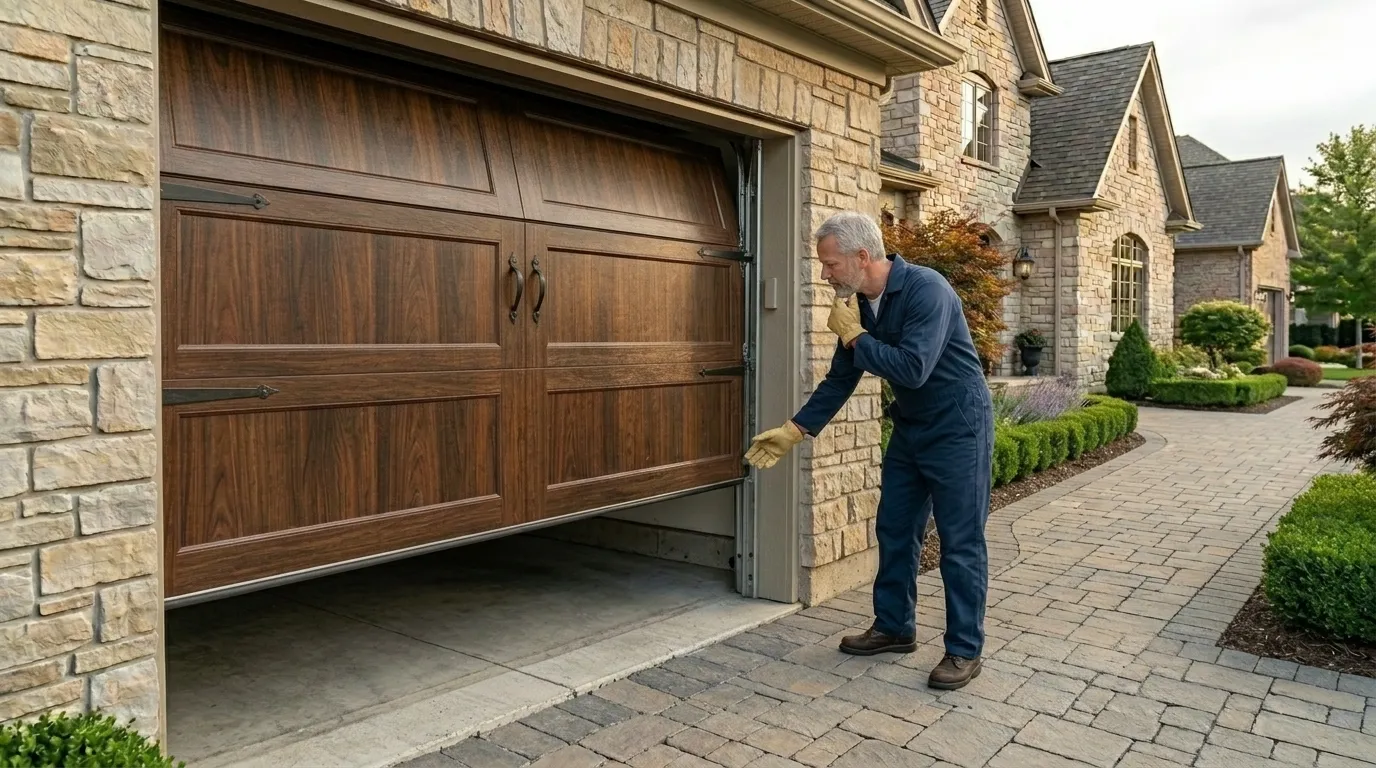
Orange sits in a mild temperate band, which is good news for the door itself - no deep freeze cracking seals, no extreme heat warping panels the way you'd see further inland or in harsher climates. What that means in practice is that when a door here fails, it's almost always wear and hardware age doing the damage, not weather.
That's a different diagnosis path than a tech would run in a place with real seasonal swings, and it's why we spend more time on cycle count and spring condition than on weatherstripping or insulation complaints. It also means a well-maintained door in this area can run a long service life on its original hardware, provided someone actually checks it before it fails rather than after.
How We Can Help
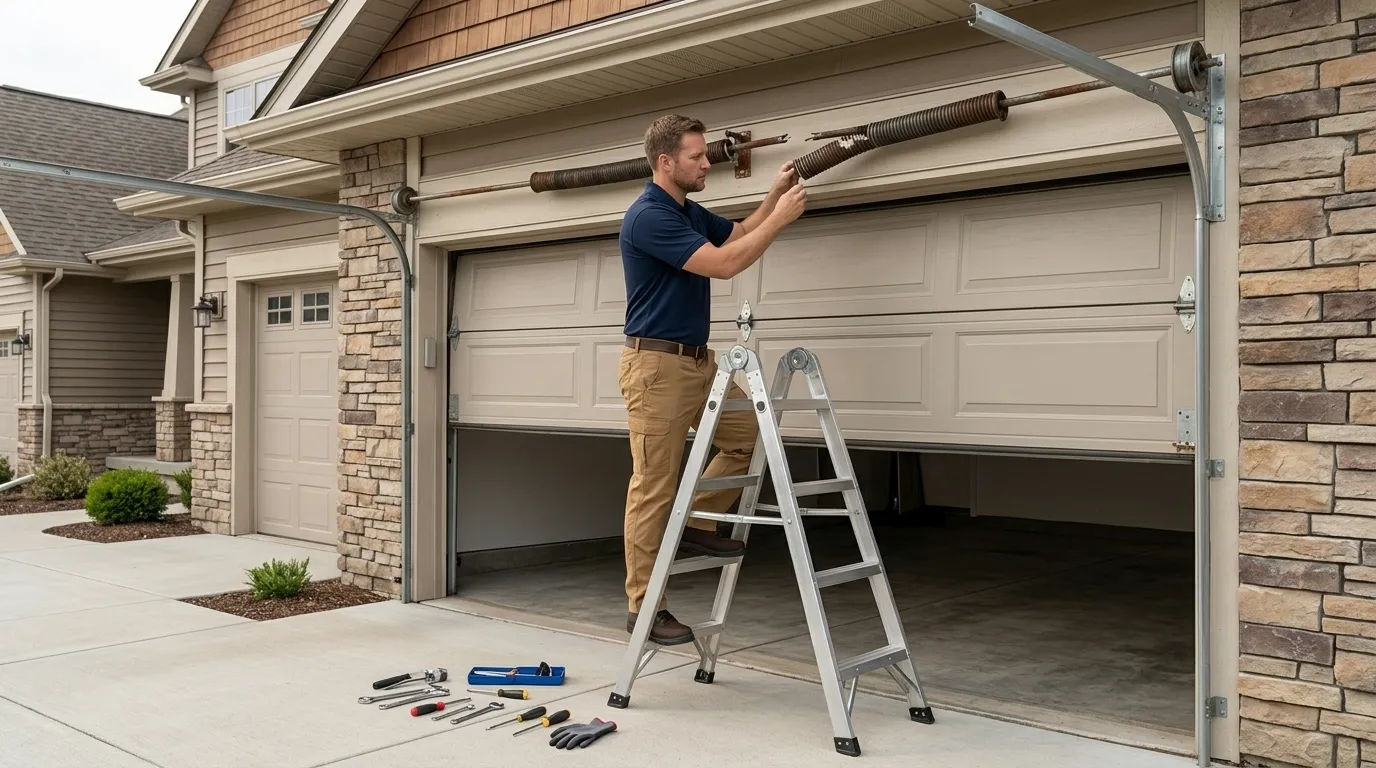
Garage Door Repair
Springs, cables, tracks, rollers, and openers fixed by a tech who explains the problem before touching anything.
Learn more →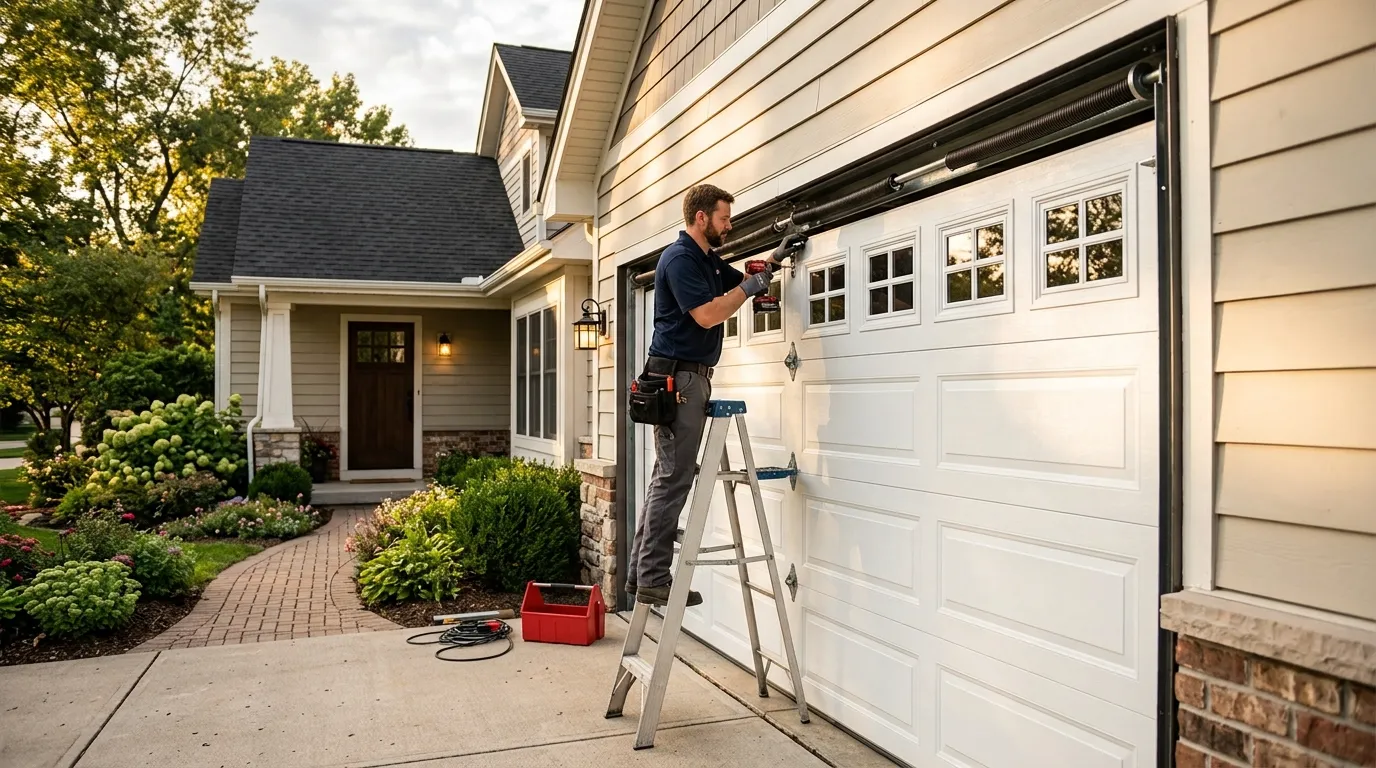
Garage Door Installation
New sectional doors sized and installed for the housing stock actually built in this area.
Learn more →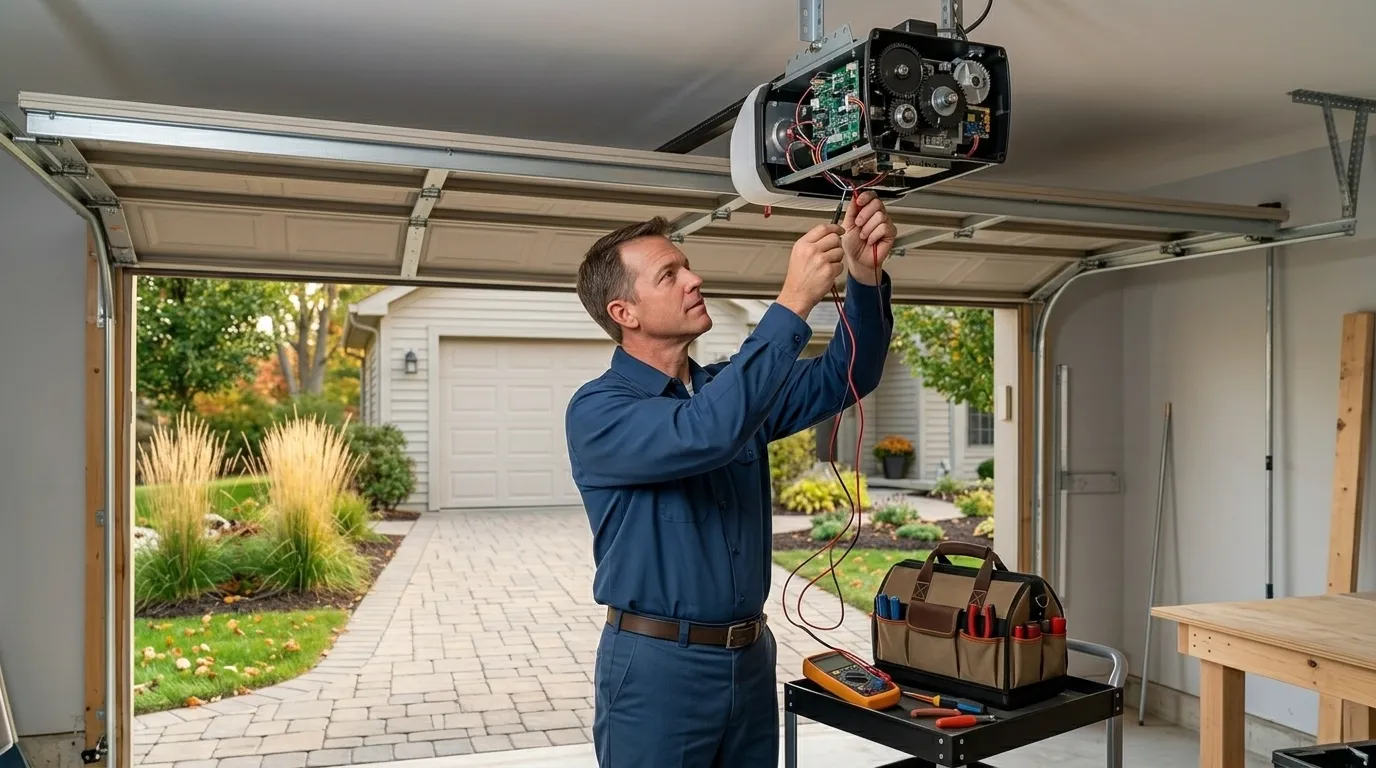
Garage Door Service
Tune-ups, lubrication, and safety checks that catch a small problem before it becomes a service call.
Learn more →Frequently Asked Questions
Why does my garage door only make noise in the morning?
On older torsion hardware, common in houses built through the 1960s and 70s here, cold overnight temperatures can stiffen grease in the bearings just enough to cause a groan or squeal on the first open of the day. It usually loosens up within a cycle or two. If it doesn't loosen up, that's a bearing or roller wear issue, not a temperature issue, and worth a look.
Is it normal for a door from the 1960s to still be running?
Yes, and it's common in this area given the median build year sits around 1968. Original torsion springs are rated by cycle count, not calendar years, so a lightly used door can run a long time. The risk is that nobody tracks the cycle count, so failure tends to be sudden rather than gradual.
Do I need to replace the opener if the door is slow?
Usually not first. A slow-closing door is more often a spring or roller problem than an opener problem, especially on older hardware. A technician checks spring tension and roller condition before touching the opener, since replacing the opener on a door with a failing spring won't fix the actual issue.
Have a Door That Needs a Second Opinion?
Call and describe what it is doing - we will tell you what it likely is.